Crude Oil Shock: Airstrike on Saudi, Iran’s Threats Force Trump Back to White House as Energy Markets Brace for Impact
The global geopolitical landscape has been thrown into absolute turmoil following a sudden and dramatic escalation of military tensions in the Middle East that threatens to paralyze worldwide energy supply chains. Reports of a sudden airstrike targeting crucial infrastructure within Saudi Arabia, coupled with aggressive and uncompromising military threats from Iran, have instantly sent shockwaves through international financial and commodity exchanges. For weeks, crude oil traders had been closely monitoring regional friction, but this sudden turn of events has obliterated any sense of market stability. Governments and energy conglomerates across the globe are now scrambling to assess the immediate fallout, fearing that major shipping lanes in the Persian Gulf and key oil-producing facilities could face severe disruptions. As panic buying sets in across major trading hubs, energy analysts warn that consumers worldwide could soon feel the pinch at fuel pumps as benchmark crude prices experience unprecedented volatility.
Donald Trump Cuts Short Holiday to Rush Back to White House
With the situation spiraling out of control and threatening to trigger a massive global economic shock, former US President Donald Trump was forced to abruptly cut short his ongoing holiday and rush back to the White House. Emergency high-level security briefings were immediately convened in the Situation Room, bringing together top military generals, intelligence chiefs, and economic advisors to formulate an urgent response to the unfolding Middle East crisis. Trump, known for his decisive and often aggressive stance on foreign policy and energy security, took personal command of the crisis management cell to prevent a full-scale regional war that could devastate Western economies. The sudden return of the American leadership to the center of diplomatic negotiations underscores the extreme gravity of the threat posed to international oil shipments and global security architecture. Observers around the world are watching every single move coming out of Washington, knowing that the decisions made in the next few hours will determine whether the crisis escalates further or gets contained through swift diplomatic intervention.
Massive Disruptions Feared in Crude Oil and Natural Gas Supply Chains
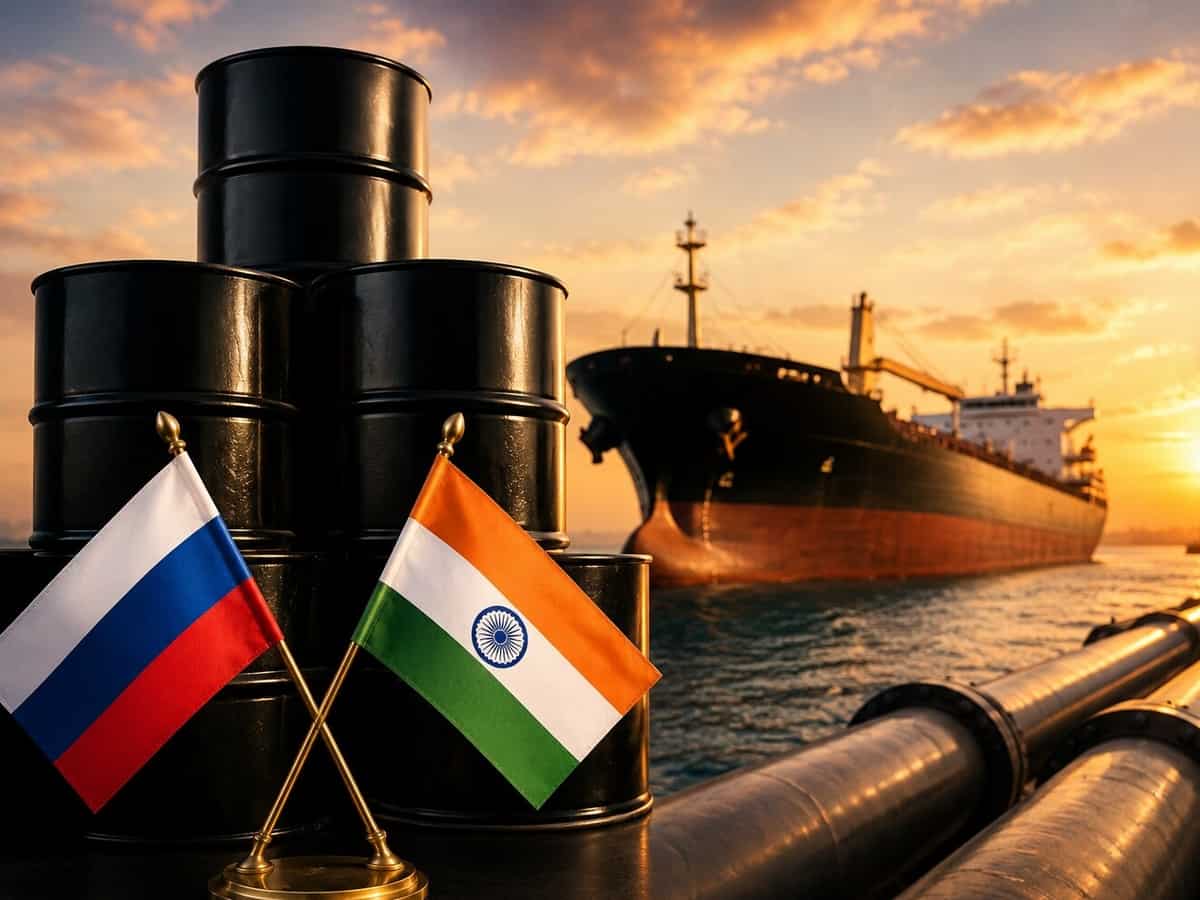
The immediate economic casualty of the ongoing airstrikes and soaring regional tensions has been the energy sector, with crude oil and natural gas futures skyrocketing in overnight trading sessions. Saudi Arabia remains the backbone of global petroleum supply, and any sustained threat to its production facilities or export terminals threatens to wipe out millions of barrels of daily output instantly. Furthermore, Iran’s persistent threats to close the strategic Strait of Hormuz—through which a massive portion of the world's liquefied natural gas and oil transits—have struck sheer terror into maritime transport companies. Energy experts note that even a temporary blockade or partial disruption of this vital chokepoint could cause global fuel prices to double within days, fueling hyperinflation across developing and developed nations alike. Industrial manufacturers, aviation companies, and everyday motorists are bracing themselves for the inevitable trickle-down effect as energy costs surge across every commercial sector.
What Lies Ahead for Global Markets and Consumers
As the dust begins to settle over the war rooms in Washington and Middle Eastern capitals, the immediate future of the global economy hangs delicately in the balance. Market speculators are betting heavily on continued volatility, prompting central banks and financial regulators to monitor inflation metrics with extreme vigilance. If military hostilities subside and international diplomatic channels successfully secure shipping lanes, oil prices may experience a gradual correction, offering much-needed relief to jittery markets. However, if retaliatory strikes continue and energy infrastructure suffers permanent damage, the world could be staring down the barrel of a severe, prolonged energy crisis reminiscent of historical shocks. For now, all eyes remain firmly glued to unfolding developments, as global leaders race against time to prevent a catastrophic energy shortage that could reshape international relations for years to come.