







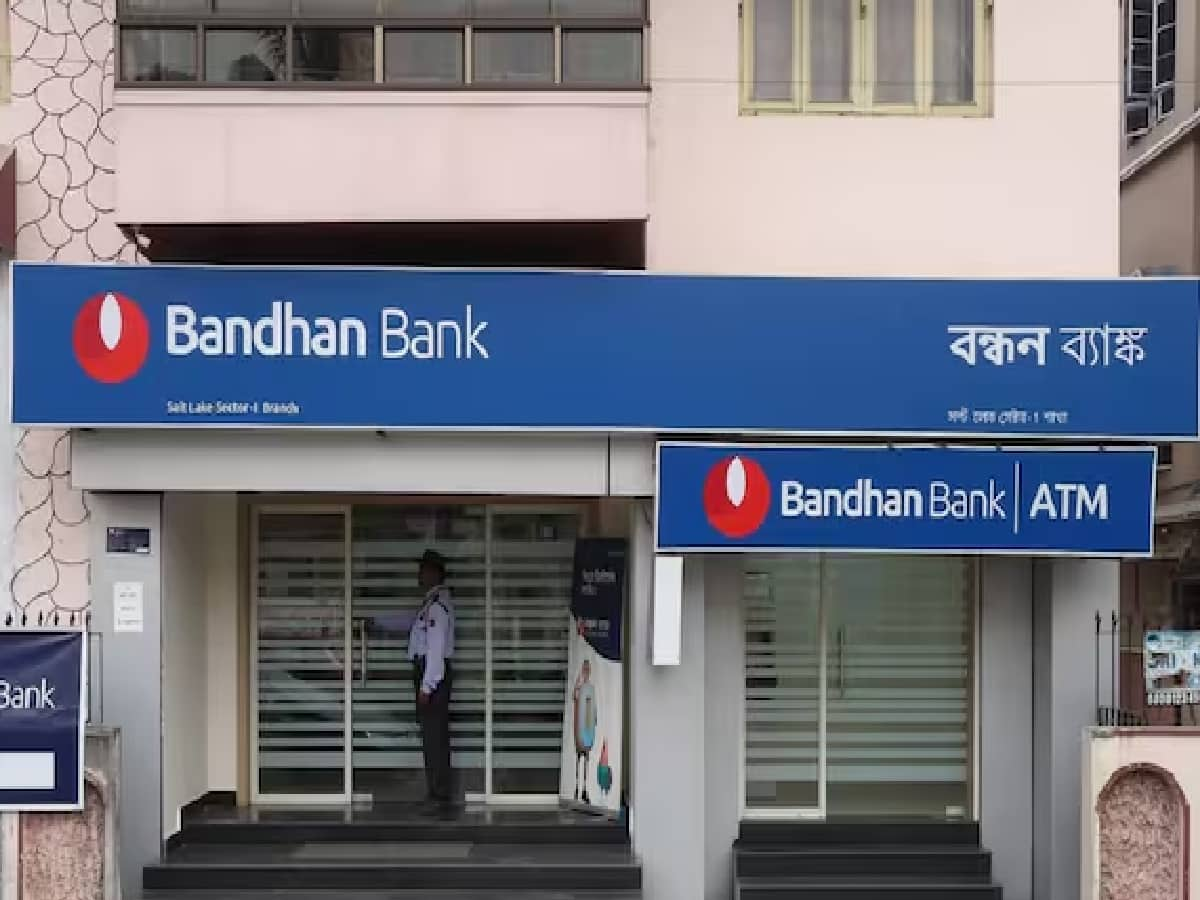
Bandhan Bank: UAE's Largest Lender FAB Eyes 51% Stake in Indian Private Banks
First Abu Dhabi Bank (FAB), the largest lender in the United Arab Emirates, is exploring acquiring a 51% majority controlling stake in mid-sized Indian private lenders, holding preliminary discussions with Bandhan Bank and a Kerala-based bank following the precedent set by the Emirates NBD-RBL Bank deal.
In an ambitious move to secure a commanding foothold within South Asia's rapidly expanding financial architecture, First Abu Dhabi Bank (FAB), the United Arab Emirates’ largest banking institution, is actively exploring the acquisition of a controlling majority stake in a mid-sized Indian private sector bank. According to an exclusive report by Moneycontrol citing senior investment banking sources, the Gulf-based financial powerhouse has evaluated multiple potential targets across India’s private banking landscape to accelerate its overseas footprint. As part of these exploratory maneuvers, senior leadership from FAB has engaged in preliminary discussions with Kolkata-based Bandhan Bank as well as a prominent Kerala-based private lender. While these high-level deliberations have not yet materialized into a binding transaction and any definitive merger or acquisition agreement could require extended regulatory timelines, the news reverberated across Dalal Street during Tuesday’s trading session on October 27, 2026, propelling shares of Bandhan Bank upward by more than 3% in intraday trade.
51% Controlling Stake Blueprint: Why Mid-Sized Lenders Trading Near Book Value Attract Gulf Capital
According to people familiar with the development, FAB's strategic roadmap centers on acquiring a definitive 51% majority stake to gain managerial and operational control over an established domestic branch and deposit franchise. The Abu Dhabi-headquartered lender is specifically filtering mid-sized private sector institutions whose stock market valuations are hovering around or trading below their intrinsic book values, while possessing a resilient regional or pan-India retail distribution footprint. Market entities fitting these operational parameters include Bandhan Bank, CSB Bank, and South Indian Bank, although banking insiders clarified that screening such lenders does not imply formal bids for all institutions nor does it confirm whether negotiations will progress beyond preliminary exploratory stages. At present, FAB maintains a boutique corporate presence in India consisting of only two operational branches—one situated in Mumbai and the other within Gujarat’s GIFT City international financial hub—having mobilized approximately $1.5 billion through Foreign Currency Non-Resident (Bank) [FCNR-B] deposit routes. Securing a majority buyout would instantly provide FAB with direct entry into India's lucrative domestic credit markets, bypassing the prolonged organic branch setup process and allowing the bank to anchor strategic commercial capital along the bustling Asia-Middle East-Europe trade corridor.
Emulating the Emirates NBD-RBL Model: Foreign Lenders Bet on India's Retail Balance Sheets
FAB's aggressive expansion pursuit mirrors the landmark cross-border banking transaction executed nearly a year ago by Emirates NBD, the UAE’s second-largest bank, which secured a majority controlling stake in RBL Bank to drive its overseas growth engine. The commercial success of Emirates NBD's Indian integration has served as an operational template for Gulf institutions seeking geographic diversification against oil-price cycles and broader global macroeconomic headwinds. Demonstrating the structural profitability of the Indian market, operations in India now contribute roughly 5% of Emirates NBD's aggregate deposit base and generate approximately 6% of its total consolidated loan book. With peer Gulf banking majors witnessing healthy capital returns from their Indian units, FAB's high-level outreach to Bandhan Bank and regional lenders signals an accelerating wave of foreign direct investment targeting India’s under-penetrated retail lending and commercial banking sectors.




