







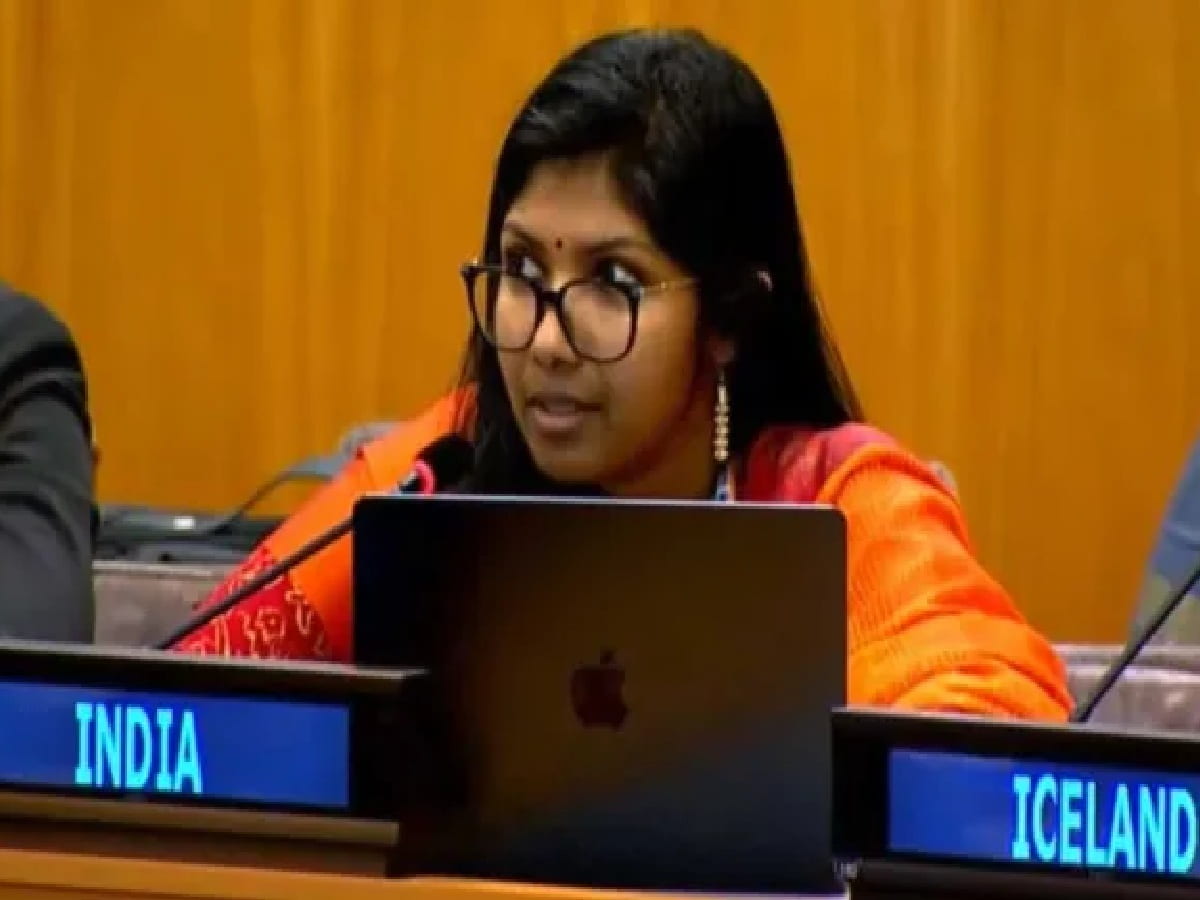
'You Disowned Kargil Soldiers While Indian Army Buried Them with Islamic Rites'
In a blistering diplomatic takedown at the United Nations headquarters in New York, India delivered a stinging reality check to Pakistan, exposing Islamabad’s systemic duplicity on religious freedom, minority protections, and cross-border terrorism. Exercising India’s right to speak during an interactive dialogue with the UN Special Rapporteur on Freedom of Religion or Belief, Bhavika Mangalanandan, First Secretary at India’s Permanent Mission to the UN, recalled the ultimate betrayal committed by the Pakistani military establishment during the 1999 Kargil conflict, where Islamabad disowned the mortal remains of its own fallen soldiers. Emphasizing the profound moral bankruptcy of a regime that abandoned its military personnel only for the Indian Army to recover the bodies and accord them dignified burials with full military honors in accordance with traditional Islamic rites, Mangalanandan asserted that a nation with such an ignominious track record possesses zero moral authority to lecture the international community or comment on India’s internal affairs and the Union Territory of Jammu and Kashmir.
Moral Bankruptcy Laid Bare: Abandoned Kargil Martyrs, PoK Violations, and COVID-19 Bias
Dismantling Islamabad’s manufactured rhetoric on faith and religious rights, Mangalanandan turned the global spotlight onto the grim ground realities across Pakistan and the territories it continues to illegally occupy, including Rawalakot in Pakistan-occupied Jammu and Kashmir (PoK), where severe human rights violations remain rampant. Highlighting the precipitous decline of religious minority populations within Pakistan due to state-sanctioned marginalization and systemic persecution, the Indian diplomat affirmed that a country incapable of ensuring basic constitutional protections for its own citizens cannot lecture the world's largest secular democracy. Mangalanandan also challenged glaring geographical biases in the Special Rapporteur's documentation regarding COVID-19 pandemic management, questioning why international reports selectively scrutinized nations across the Global South for alleged discrimination in burial and healthcare protocols while completely omitting identical structural crises, high mortality rates, and logistical breakdowns that occurred across developed Western nations during the pandemic.
Dawood Ibrahim and Bin Laden Ties: Diplomat Raghu Puri Torches Pakistan's Terror Record
The diplomatic offensive was reinforced by Raghu Puri, First Secretary at India’s Permanent Mission to the UN, who dismantled Pakistan’s narrative by placing its record of state-sponsored terror on the international stage. Cornering the Pakistani delegation over its harboring of 1993 Mumbai serial blasts mastermind and global terrorist Dawood Ibrahim, Puri underscored that Ibrahim had absconded from Indian justice decades ago and was formally sanctioned under the UN listing regime in 2003 specifically due to verified operational linkages with Al-Qaeda and Osama bin Laden. Noting that the D-Company kingpin remains actively shielded inside the very same country where bin Laden was tracked down and eliminated in Abbottabad, the Indian diplomat demolished Islamabad’s standing on counter-terrorism. This rebuttal follows New Delhi’s formal objection registered earlier in the week against the UN Special Rapporteur on Counter-Terrorism and Human Rights, wherein Indian diplomats demanded strict accountability for factual inaccuracies and institutional falsehoods designed to obscure India's legitimate national security operations.




