Why Trump Abruptly Canceled a Massive Strike on Iran
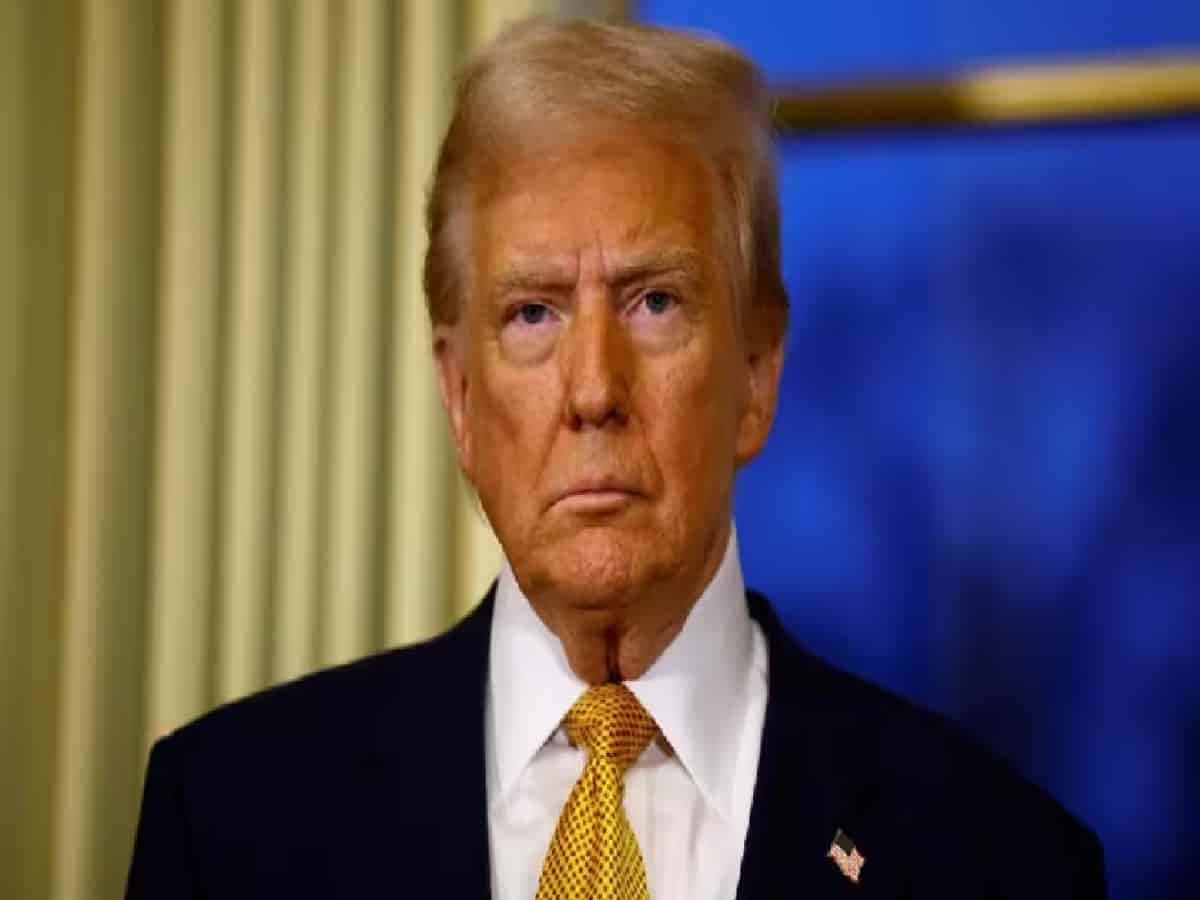
US President Donald Trump has revealed fresh details regarding why a catastrophic military escalation with Iran was narrowly averted. While underlying geopolitical tensions between Washington and Tehran persist, Trump disclosed that he personally chose to postpone what would have been the largest military strike since World War II, opting instead to pivot toward direct diplomatic engagement after receiving a frantic plea from Iranian officials.
The White House Revelation and Averting All-Out War
Addressing the media from the White House, Trump elaborated on the fragile balance between military action and diplomacy. Highlighting the heavy toll and financial burdens of ongoing hostilities, he noted that the United States had already dismantled several Iranian military installations. However, emphasizing his reluctance to cause mass casualties, Trump explained that his administration was fully prepared to launch an unprecedented offensive before Tehran intervened. According to Trump, Iranian authorities called directly to plead for negotiations, marking a dramatic turning point in the standoff while reinforcing his unwavering red line that a nuclear-armed Iran remains entirely unacceptable.
The Economic and Financial Toll on Both Nations
The protracted conflict has taken a massive economic toll on both the United States and Iran. According to regional reports from outlets like Al Jazeera, continuous military operations have proven financially draining for Washington, prompting a stronger push from the White House to find a sustainable diplomatic exit strategy. Despite mutual strikes and heavy financial losses, both governments find themselves navigating a complex landscape where the cost of total war has become increasingly unsustainable, driving a renewed interest in political resolutions.
High Stakes and Warnings Over the Strait of Hormuz
Even as diplomatic channels open to ease regional friction and address crucial chokepoints like the Strait of Hormuz, underlying flashpoints remain active. The potential for a formal bilateral agreement hinges entirely on mutual compliance regarding maritime transit and trade routes. Highlighting the fragility of these talks, a senior Iranian military official issued a stern warning that Tehran will retaliate against US vessels if the blockade on Iranian ships in the Strait of Hormuz is not lifted, underscoring that significant risks still threaten long-term regional stability.