







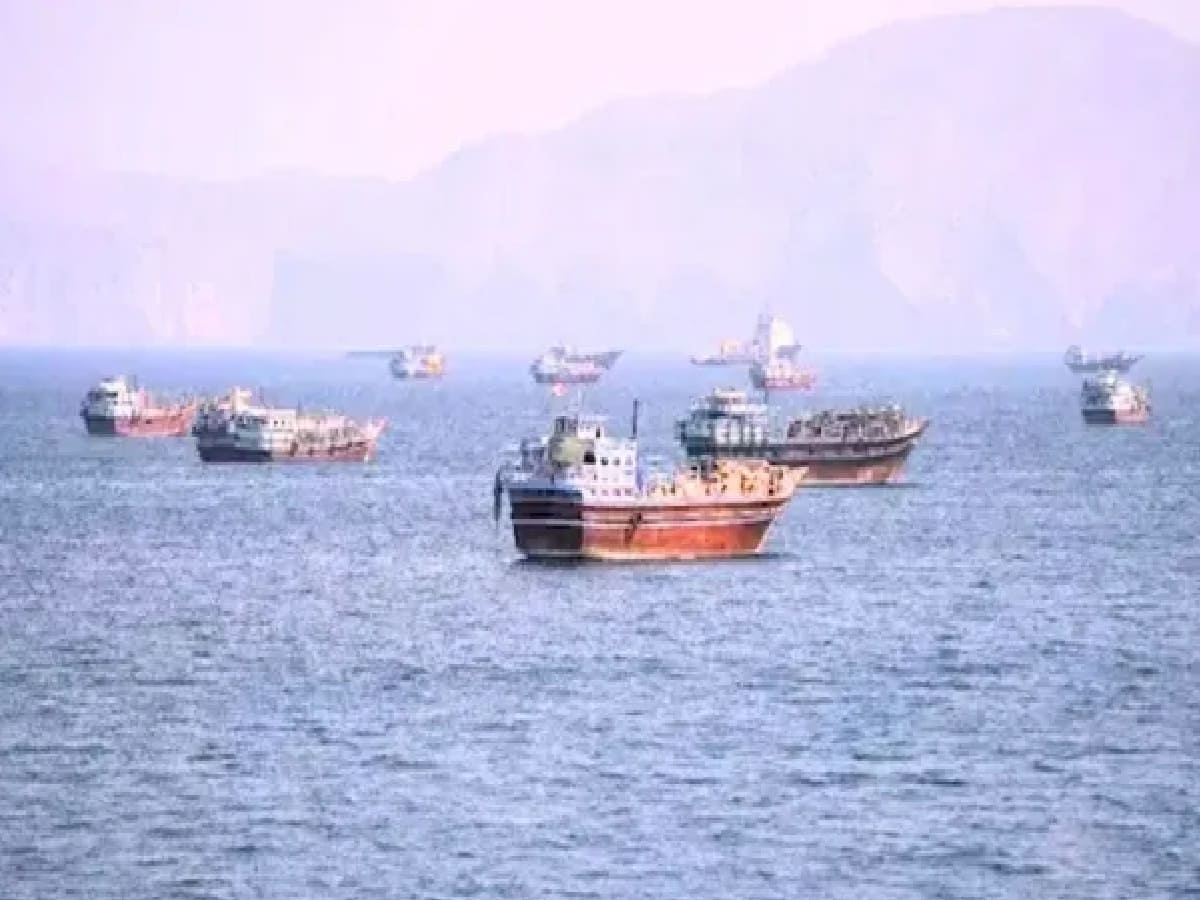
'Water Was on Fire': British Swimmer Crosses War-Hit Strait of Hormuz
Amid exploding oil tankers, low-flying fighter jets, and flames roaring across the surface of the sea, 56-year-old British endurance swimmer and United Nations Patron of the Oceans Lewis Pugh has completed a perilous 15-kilometre (9.3-mile) swim across the Strait of Hormuz to spotlight the catastrophic—yet often overlooked—environmental toll of the ongoing Middle East war. Reported across international and environmental desks on Sunday, November 22, 2026, following Pugh's return to London, the three-day expedition—carried out in sections totaling roughly six and a half hours in the water from Oman's Musandam Peninsula around the Cape of Hormuz—is believed to be the first long-distance swim attempted in the strategic waterway since the US-Israel conflict with Iran erupted on February 28, 2026. Wearing only swimming trunks, goggles, and a cap bearing the UN emblem, Pugh—famous globally for pioneering "Speedo diplomacy" across the North Pole, Antarctica, and the 315-mile Hudson River—entered the water earlier this week only to face immediate combat danger. Just minutes into his opening leg on Monday, two deafening explosions rocked the sea roughly four kilometres away, where an oil tanker had just been struck, followed within moments by roaring fighter jets overhead that forced his support boat to abort and evacuate immediately. Even more harrowing was his second day in the strait: while returning toward harbor, Pugh passed a struck gas carrier erupting with towering fireballs and choking chemical fumes—recalling in stark detail that "around the ship, the water was on fire". Beyond the shockwaves to global energy markets in a chokepoint that once carried roughly one-fifth of the world's traded oil, Pugh warned that crude spills and toxic chemical leaks from bombed or mine-damaged vessels threaten to poison dolphins, sea turtles, ospreys, coral reefs, mangrove forests, and fragile Gulf coastlines for decades. For global readers, climate advocates, maritime observers, and citizens across Unnao, Lucknow, Kanpur, New Delhi, Mumbai, Muscat, and London, Pugh's stark eyewitness testimony underscores a sobering truth: ecological devastation in war outlives every ceasefire.
Lewis Pugh's 15-Km Strait of Hormuz Swim (Nov 2026): Route, Hazards & Ecological Warning
To bring together the verified details of Lewis Pugh's three-day expedition across the Strait of Hormuz, the live military hazards he encountered in the water, and the marine biodiversity at risk from burning and sunken tankers, the tables below summarize the key facts:
Expedition Profile & Eyewitness Encounters in the Strait of Hormuz
| Expedition Parameter | Verified Details (Nov 2026) | Strategic & Environmental Significance |
| Athlete & Official Role | Lewis Pugh (Age 56), British endurance swimmer and United Nations Patron of the Oceans. | Known for nearly four decades of ocean conservation swims across Antarctica, the North Pole, and the Hudson River. |
| Route & Distance Covered | ~15 kilometres (9.3 miles) from Oman's Musandam Peninsula around the Cape of Hormuz. | Completed in segmented legs totaling ~6.5 hours in the water over three days; believed to be the first long-distance swim since Feb 28, 2026. |
| Day 1 Hazard: Oil Tanker Explosion | Minutes after entering the water on Monday, two loud explosions struck an oil tanker ~4 km away, followed by incoming fighter jets. | Forced an immediate emergency extraction before resuming the segmented challenge. |
| Day 2 Hazard: Burning Gas Carrier | Passed a struck gas carrier shooting fireballs skyward amid pungent chemical fumes, with seawater burning around the hull. | Highlighted the acute chemical and thermal contamination released by ongoing commercial vessel strikes. |
| Core Appeal to World Leaders | "We've got to stop the war. We've got to open the strait, and we've got to clean up the pollution." | Urges urgent international action to halt hostilities, restore safe navigation, and remediate marine pollution. |
Marine Ecosystems & Wildlife Threatened by the Strait of Hormuz Conflict
| Ecological Asset | What Lewis Pugh Observed | Long-Term Environmental Risk |
| Marine Mammals & Seabirds | Pods of dolphins swimming alongside his support boat and ospreys overhead during calmer stretches. | Toxic hydrocarbon slicks, underwater blast shockwaves, and chemical plumes disrupt feeding and migratory corridors. |
| Sea Turtles | Spotted sea turtles during the crossing and recalled seeing hundreds of turtles along the Omani coast prior to the war. | Oil coating on nesting beaches and coastal waters threatens breeding cycles across the Gulf of Oman and Persian Gulf. |
| Coral Reefs & Mangrove Forests | Fragile coastal coral reefs, mangrove habitats, and shorelines bordering Oman, the UAE, and Iran. | Heavy crude and chemical runoff from damaged tankers—including vessels carrying millions of barrels—can persist for generations. |
Explosions, Fighter Jets, and Burning Seawater: Inside Pugh's Three-Day Swim
Although Lewis Pugh has spent nearly forty years braving sub-zero polar seas and great white sharks, swimming through an active maritime warzone presented unprecedented peril. With commercial ships repeatedly struck by missiles or sea mines since February 28—including a tanker carrying over two million barrels of oil hit last month—Pugh's team had to pause and restart repeatedly as explosions shook the water four kilometres away and a stricken gas carrier ignited the sea surface in chemical fireballs.
Why Oil and Chemical Spills in Hormuz Could Scar Marine Life for Decades
Even amid the smoke of burning tankers, Pugh marveled at pods of dolphins escorting his boat alongside turtles and ospreys, reminding the world that the Strait of Hormuz is far more than an energy artery—it is a vibrant marine nursery. As he cautioned upon returning to London, once heavy oil and industrial chemicals seep into coral reefs and mangrove forests, cleanup becomes extraordinarily difficult, leaving ecological scars that endure for generations long after political conflicts end.




