







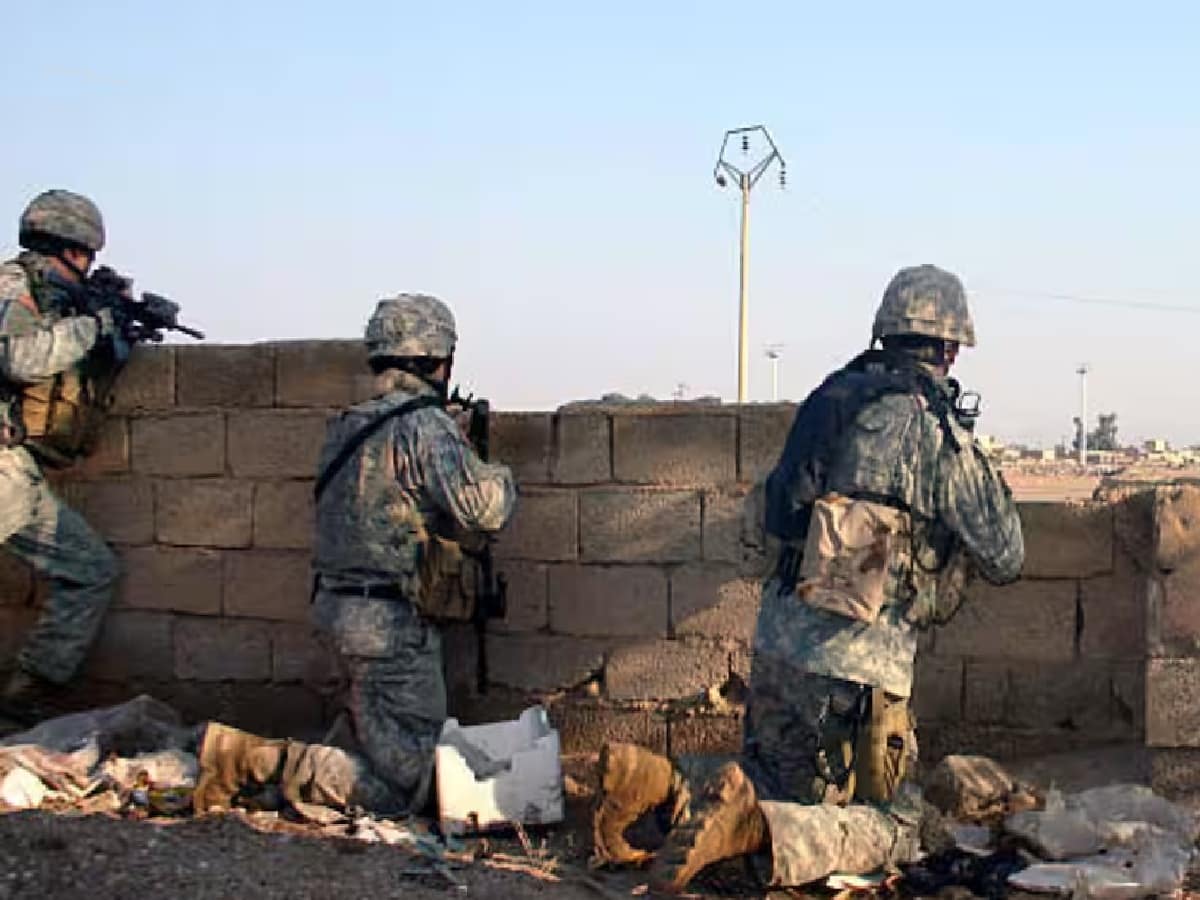
US Completes Full Iraq Troop Withdrawal After 23 Years
Marking the historic conclusion of a military mission launched over two decades ago, the United States Armed Forces formally completed the withdrawal of all remaining military personnel from bases across Iraq on Wednesday, September 30, 2026. The exit closes an extensive and turbulent intervention that commenced in 2003 with the invasion to overthrow Saddam Hussein. Under bilateral timelines negotiated in September 2024 between Washington and Baghdad, both nations codified a phased conclusion to coalition operations, a framework finalized and enacted under President Donald Trump’s administration. The final pullback shifts total counterterrorism responsibilities directly onto Iraqi sovereign security forces, drawing a close to an overseas deployment that saw approximately 4,500 American soldiers lose their lives.
Strategic Void: How Tehrans Allied Militias Are Poised to Expand Political Sway
The complete departure of American military personnel has ignited intense debate over the regional balance of power, with Tehran and its network of regional proxies celebrating the withdrawal as a strategic milestone. Security analysts across the Middle East caution that the absence of a US military deterrent creates a critical power vacuum that pro-Iran Shia armed groups—many of which already hold substantial political and parliamentary sway in Baghdad—are eager to exploit. Veteran Iraqi defense analyst Jassim al-Bahdali highlighted that domestic pro-Tehran factions will leverage the US departure as a narrative triumph to aggressively consolidate their authority over Iraq's national defense apparatus, intelligence institutions, and executive decision-making pipelines.
The Lingering ISIS Challenge: Iraqi Security Forces Face Independent Readiness Test
Beyond expanding Iranian geopolitical leverage, the departure removes crucial allied force multipliers that supported Iraq’s domestic defense. While the territorial caliphate of the Islamic State (ISIS) was effectively dismantled by joint operations in late 2017, decentralized sleeper cells and mobile insurgent bands continue to stage asymmetric strikes across remote desert pockets. Historically, US forces provided Iraqi ground units with real-time intelligence feeds, tactical drone surveillance, and specialized counterinsurgency training. Without frontline coalition enablers, security experts warn that any logistical degradation or command vulnerability could be swiftly exploited by lingering ISIS networks, posing a defining test for Baghdad’s standalone defense capabilities.