US-Bound F-35 Stealth Jet Parts Seized by China in Hong Kong Transit Blunder
A major military logistics and intelligence blunder has triggered international security alarms after sensitive components belonging to a fifth-generation F-35 stealth fighter jet—intended for return shipment from Australia to the United States—were mistakenly routed into Chinese territory and taken into custody by authorities in Hong Kong. The unexpected diversion has set off high-level national security reviews in Washington, Canberra, and across the Pentagon, with two US Congressional committees launching urgent inquiries to determine whether the logistical diversion was an accidental freight routing error or an intentional compromise of classified military supply chains.
Critical Stealth Hardware Diverted via South Korea
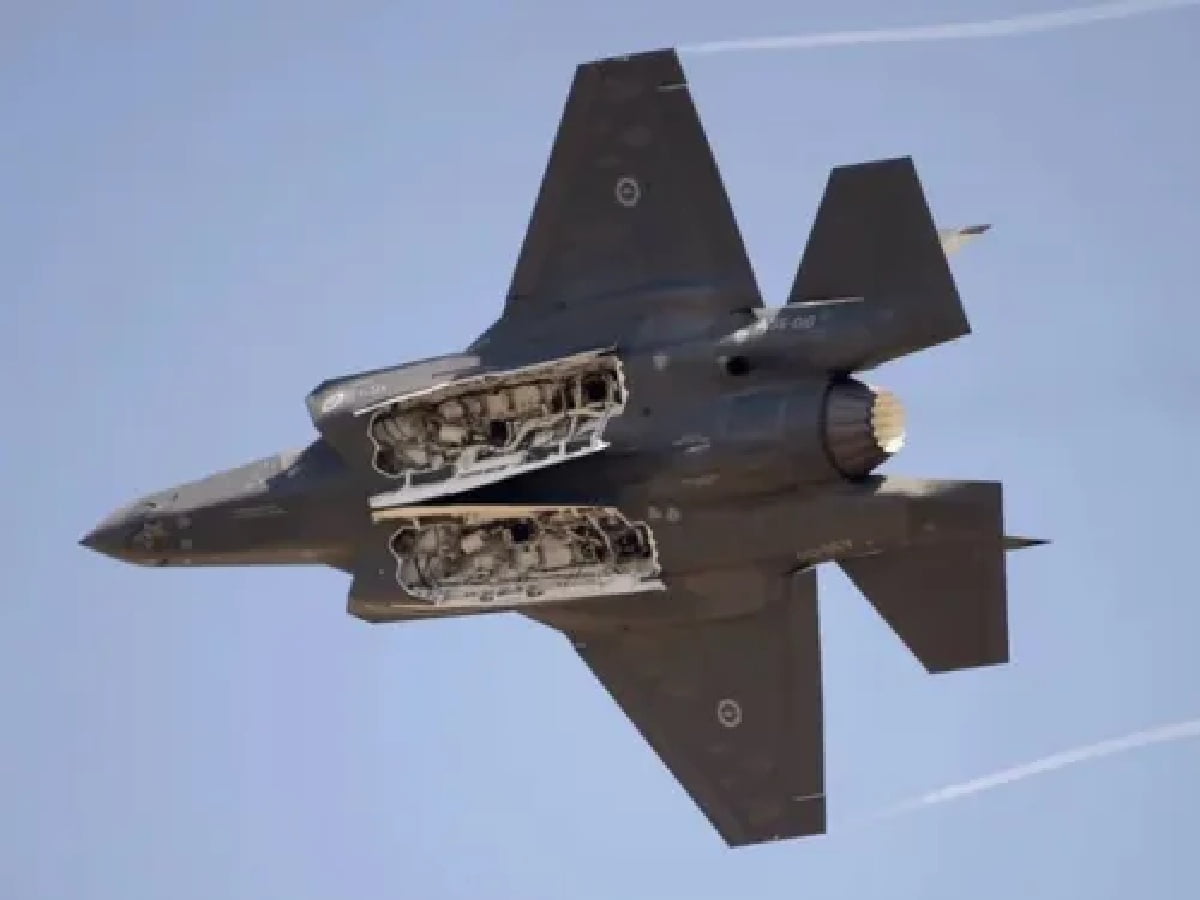
The misdirected consignment contained two high-value structural components from an Australian military F-35 Lightning II: the aircraft's single-piece cockpit canopy and an internal weapons-bay door. Both critical assemblies, manufactured for prime contractor Lockheed Martin, are treated with classified radar-absorbent material (RAM) coatings that play an indispensable role in minimizing the jet's radar cross-section and preserving its fifth-generation stealth evasion capabilities. The parts were dispatched from Australia in late May by commercial carrier UPS for inspection, depot repair, or controlled disposal in the United States. However, after making a scheduled logistical stopover in South Korea, the shipment was unexpectedly rerouted across the border into Hong Kong, a Special Administrative Region under direct Chinese sovereign jurisdiction.
Chinese Custody and Fears of Reverse Engineering
Upon arrival in Hong Kong, Chinese authorities seized possession of the F-35 components and have not returned the hardware to US or Australian control. While the Chinese Foreign Ministry in Beijing claimed it was unfamiliar with the specifics of the incident, Western defense planners fear the physical custody of genuine stealth components could hand Chinese aerospace engineers direct insight into the proprietary chemical compositions and structural designs used to deflect radar. Access to genuine hardware could allow Beijing to refine counter-stealth detection systems and accelerate performance upgrades on its own indigenous stealth platforms, including the Chengdu J-20 and the carrier-capable Shenyang J-35.
Dual Congressional Probes and Pentagon Recovery Push
The revelation comes at a sensitive diplomatic juncture coinciding with Chinese President Xi Jinping’s state visit to the United States. In Washington, the House Armed Services Committee and the House Foreign Affairs Committee have initiated formal investigations, receiving classified briefings on how sensitive military cargo was transported via standard commercial freight channels without adequate end-to-end tracking. The F-35 Joint Program Office (JPO) and the Pentagon confirmed they are actively collaborating with US federal agencies, international allies, and defense contractors to recover the missing components and enact strict logistics safeguards to ensure military hardware cannot be misrouted in the future.