'Unguided Missiles': Pakistan Defence Minister Khawaja Asif Warns Lashkar and Jaish Threaten Syria-Style Ruin
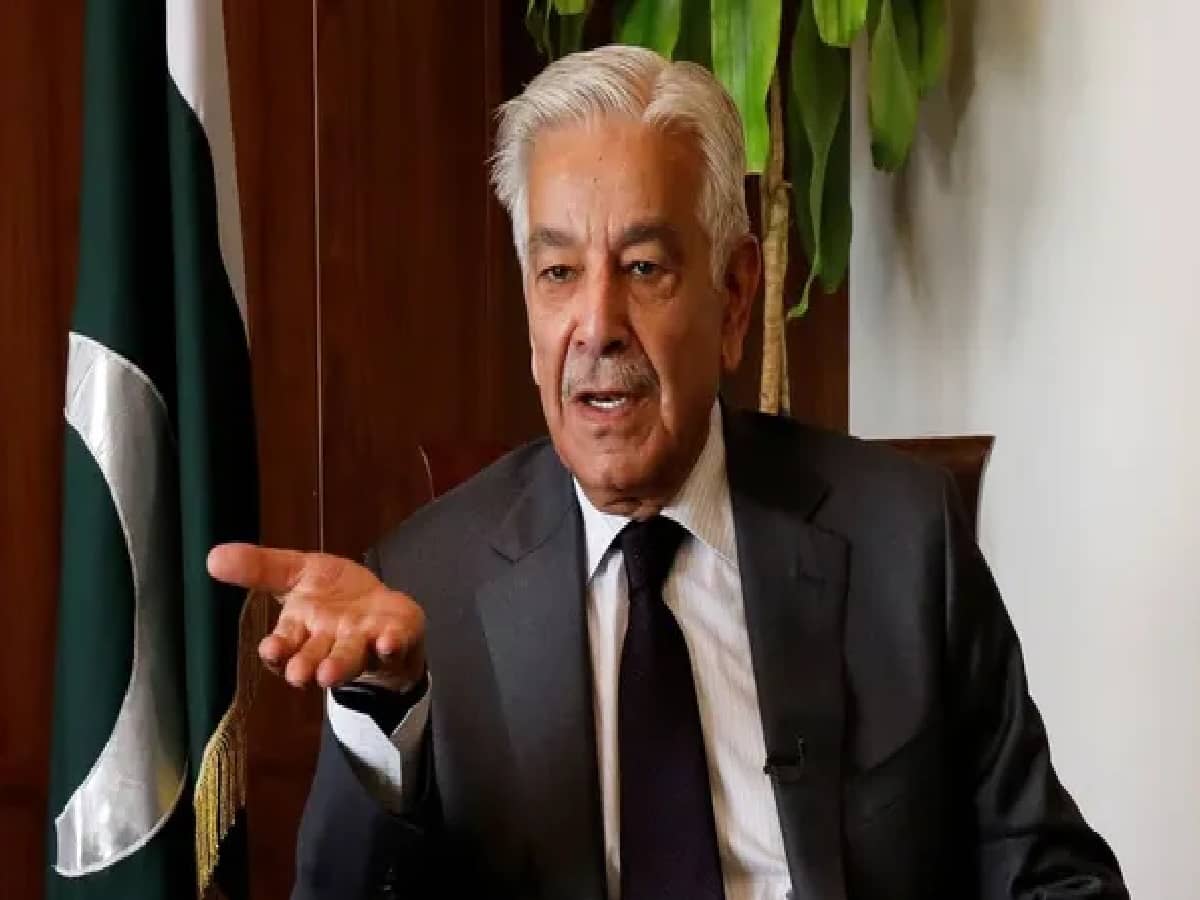
In an unusually blunt and stark internal admission, Pakistan’s Defence Minister Khawaja Asif has warned that terror outfits historically sheltered on Pakistani soil have transformed into an existential danger from within. Speaking openly about organizations such as Lashkar-e-Taiba (LeT) and Jaish-e-Mohammed (JeM), the defence minister characterized them as uncontrollable, armed factions capable of destabilizing the nation to the brink of systemic collapse, drawing direct parallels to war-torn West Asian states.
Unguided Missiles and the Danger of Internal Collapse
Appearing on a Hum News podcast hosted by senior journalist Zahid Gishkori, Khawaja Asif delivered an unsparing assessment of the state's prolonged entanglement with non-state militant proxies. The minister noted that these organizations frequently adapt their ideological banners and tactical postures depending on geopolitical convenience, shifting from foreign proxy operations to internal combat. He highlighted that armed proxy groups operate essentially like volatile, unguided missiles beyond central state control, cautioning that unchecked militia networks have historically undermined regular armed forces and hollowed out national sovereignty.
The Looming Spectre of Syria and Iraq
Expressing profound anxiety over Pakistan's socio-political trajectory, Asif cautioned that the nation risks descending into the chaotic fragmentation that devasted Syria and Iraq if armed groups continue to maintain independent infrastructure. He pointed out that decades of using non-state actors had fundamentally compromised the institutional fabric of the Pakistani state, eroding the monopoly of violence typically preserved by professional national defence forces. Asif stated unequivocally that Pakistan has no constructive need for these militias, arguing that nearly half a century of turbulent history has established their catastrophic domestic fallout.
Resurfaced Admissions on Global Terror Networks
The defence minister's alarming self-reflection has gained intense international traction as remarks by Pakistan Prime Minister Shehbaz Sharif from the United Nations General Assembly have simultaneously resurfaced on global platforms. In his address during the 80th UNGA session, Sharif acknowledged the pervasive reach of localized extremist networks, declaring that unchecked regional terror elements would have spilled beyond regional borders into Western capitals like New York and London, extending as far as East Asia. The dual admissions from Islamabad's top civilian and defence leadership underscore acute internal fractures and growing international apprehension surrounding terror financing, institutional complicity, and rogue militia control across South Asia.