







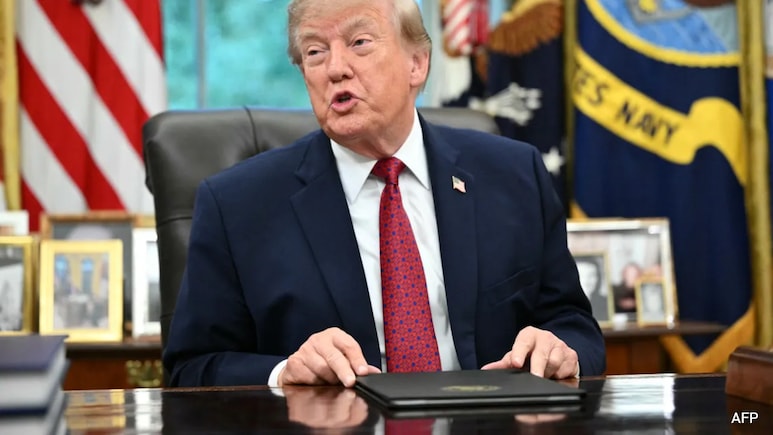
Trump Says New Iran Strikes Unlikely If Peace Talks Advance
United States President Donald Trump has signaled a major de-escalation in Washington's military posture toward Tehran. In a recent media interview, the American leader stated that launching a fresh round of military strikes against Iran is "highly unlikely" to be necessary, provided that ongoing diplomatic negotiations continue to make steady progress. This diplomatic shift comes at a critical juncture as international intermediaries, including Qatari and Omani delegates, work intensively to bridge deep-seated differences between Washington and Tehran. While the threat of force remains on the table should diplomatic channels collapse, the latest remarks reflect a growing preference for leveraging severe economic pressure and structured dialogue to resolve long-standing geopolitical grievances.
Diplomatic Progress and Conditions for Avoiding Military Escalation
President Trump emphasized that the future course of action depends heavily on whether Iranian leadership agrees to sign a comprehensive and binding accord. Indirect, mediated talks between American and Iranian officials have persisted for weeks, focusing on critical flashpoints such as regional maritime security, the reopening of the strategic Strait of Hormuz, and compliance regarding nuclear infrastructure. While acknowledging that discussions have faced periodic stalemates over specific operational terms, Trump noted that substantial groundwork has been laid. If Tehran chooses to finalize a strong, verifiable agreement, the necessity for further kinetic military action diminishes significantly, paving the way for a negotiated end to months of active hostilities.
Maximum Economic Pressure and Financial Strain on Tehran
The softening military stance does not mean a relaxation of overall pressure; rather, Washington continues to enforce stringent economic containment strategies. The White House recently highlighted expansive non-kinetic measures, including comprehensive naval and land-based blockades designed to restrict unauthorized commercial transit and choke off state revenue. Pointing to severe domestic economic indicators within Iran—including soaring inflation rates and crippled currency valuations—administration officials argue that financial erosion is forcing Tehran toward a pragmatic approach. With state revenues constrained and military expenditures facing critical deficits, American leadership believes economic realities will ultimately compel Iranian authorities to accept realistic terms at the negotiating table.
Domestic Political Realities and International Mediation Efforts
The recalibration of Washington's foreign policy strategy also unfolds against the backdrop of domestic political shifts, including fallout from recent legislative and midterm electoral outcomes. Political analysts note that sustained regional conflicts and rising energy costs associated with shipping disruptions have placed considerable pressure on Western administrations. Concurrently, international mediators have intensified their shuttle diplomacy, meeting with top global stakeholders to prevent further destabilization of Middle Eastern energy corridors. Qatar and other regional partners continue to host delicate consultations aimed at establishing phased confidence-building measures that satisfy security requirements for international trade while addressing national sovereignty concerns.
Outlook for Regional Security and Global Energy Markets
As international delegations navigate the complexities of these high-stakes negotiations, global energy markets and maritime shipping sectors are reacting with cautious optimism. The prospect of avoiding large-scale military escalation has helped steady volatile fuel prices and ease anxieties among commercial shipping operators traversing the Persian Gulf and surrounding waters. However, experts caution that lasting stability depends entirely on the successful codification of a formal treaty that addresses both security guarantees and economic sanctions relief. Until a concrete pact is formally executed, regional monitors will remain vigilant, balancing hopes for diplomatic resolution against the persistent underlying tensions of the Middle East.




