Trump Rolled Out the Red Carpet for Xi Jinping: Behind the Superpower Realignment
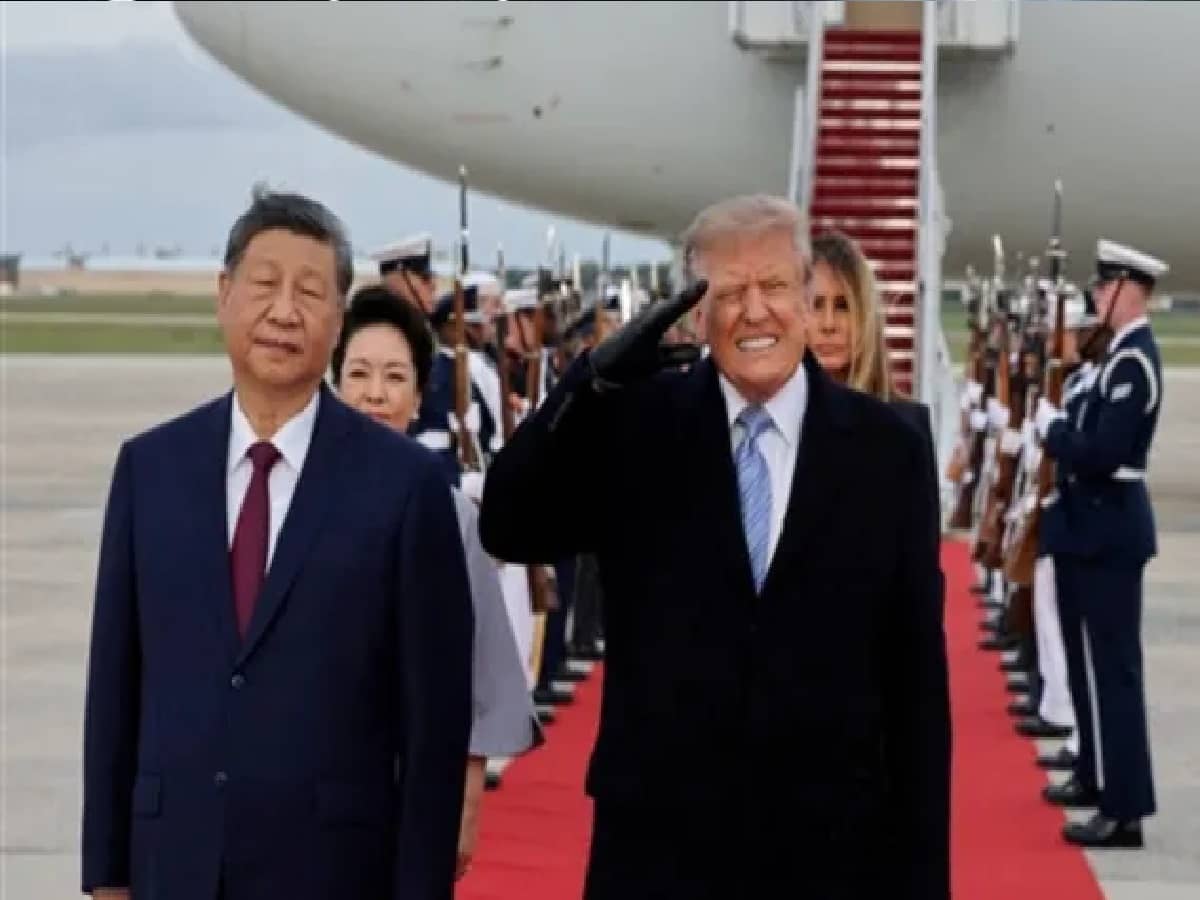
In a dramatic recalibration of geopolitical diplomacy that has stunned international observers, US President Donald Trump—long known for his uncompromising, confrontational stance against Beijing—extended a lavish royal-style reception to Chinese President Xi Jinping upon his arrival in the United States. Breaking standard diplomatic protocol that customarily reserves head-of-state greetings for the White House, Trump personally traveled to the tarmac at Joint Base Andrews to welcome the Chinese leader on his first visit to American soil in a decade. The lavish optics stand in stark contrast to Trump’s low-key visit to Beijing four months ago in May, where Xi did not greet him at the airport and talks concluded without joint communiqués or major breakthrough agreements.
Domestic Pressures and Shifting Economic Leverage Drive US Welcome
The dramatic pivot in Washington's diplomatic posture is deeply rooted in severe domestic and geopolitical pressures. With the protracted military conflict against Iran fueling widespread voter fatigue and upcoming midterm elections tightening pressure on the White House, the Trump administration urgently needs compelling international optics to demonstrate control and parity with the world's most formidable rivals. More critically, economic dynamics have evolved beyond unilateral tariff intimidation. When Washington imposed steep 125 percent tariffs on Chinese imports last year, Beijing retaliated in kind rather than backing down. Backed by its commanding near-monopoly over the processing and export of critical rare earth minerals—essential for manufacturing semiconductors, consumer electronics, and fifth-generation combat aircraft—China enters negotiations holding tangible economic counters that prevent Washington from dictating terms unchecked.
Trade Truce Extended as Tech Titans Join High-Stakes State Dinner
A fragile interim equilibrium has begun to take shape. The United States has formally extended the bilateral trade truce until early next year, preventing immediate retaliatory tariff escalations while sensitive negotiations proceed. Underscoring the high economic stakes, the guest roster for Xi Jinping’s state dinner features the chief executives of Silicon Valley's most influential corporations, including Jensen Hwang of Nvidia, Sam Altman of OpenAI, and John Ternus of Apple. The presence of global technology leaders highlights the delicate interdependence between China as the world's foremost industrial manufacturing floor and the United States as its primary consumer market, even as both sides navigate emerging risks surrounding artificial intelligence dominance, advanced chip export restrictions, and competing claims across the Taiwan Strait.
The Search for Common Ground: Iran Standoff and Detainee Talks
Beyond trade and technology, Washington's immediate diplomatic calculations are tied to finding an off-ramp in the Middle East. With regional hostilities between the US and Iran threatening key maritime routes in the Persian Gulf and Indian Ocean, American officials are exploring whether Beijing—as Iran's top oil importer and primary trade partner—will leverage its diplomatic clout to help defuse the spiraling military standoff. Concurrently, Trump is pushing for the expedited release of American citizens currently detained in China. Yet, underlying structural divergence remains pronounced: while Washington insists long-term fundamentals favor the American economic model, Beijing operates under the belief that Western power is waning and that time is on China's side. With both administrations planning separate briefings to satisfy their respective domestic bases, the summit signals the definitive arrival of a complex, multipolar equilibrium where neither superpower can unilateralize global affairs.