Trump Rejects AI Slowdown, Defends 150% Tariffs on Chinese EVs & Calls Canada "Most Difficult" Ally
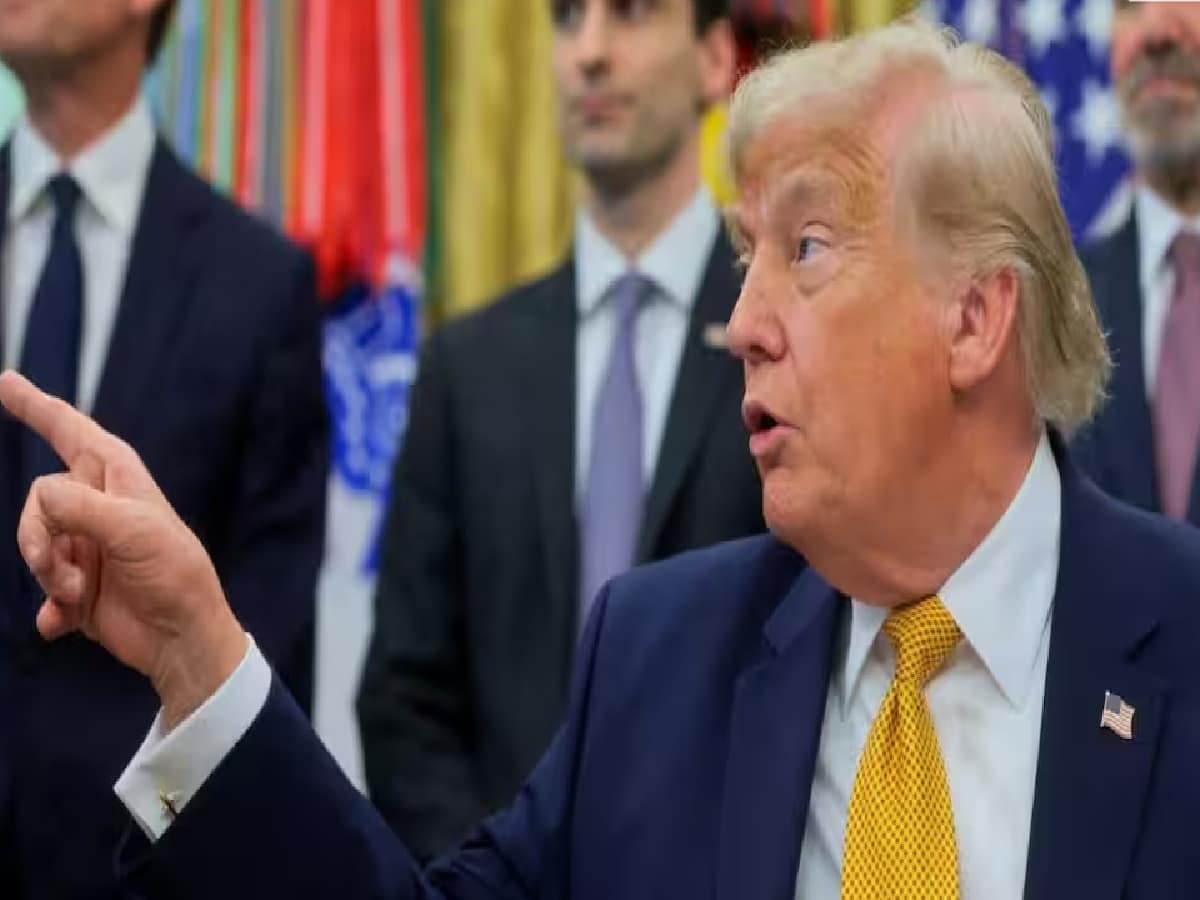
US President Donald Trump delivered an unfiltered assessment of global trade rivalries, geopolitical friction, and the intensifying race for technological supremacy during a wide-ranging press gaggle aboard Air Force One on Sunday night while returning from an official visit to Ireland. Jumping squarely into the escalating international debate surrounding artificial intelligence, the American Commander-in-Chief dismissed calls from industry figures advocating for mandatory slowdowns or heavy regulatory barriers, characterizing the global race in zero-sum terms. Alongside his comments on machine intelligence, Trump addressed the state of high-stakes relations with Beijing, defended his administration's massive tariff walls against Chinese automobile imports, and offered blunt characterizations of trade talks with Canada.
"Whoever Wins Will Win": Trump Claims US Dominance and Admits Personal AI Use
Addressing mounting anxiety over superintelligence and calls across Silicon Valley to curb algorithmic capabilities, Trump brushed aside the perceived panic, reiterating his longstanding competitive outlook by stating that in artificial intelligence, "whoever wins with AI will win." Trump asserted that the United States remains substantially ahead of global adversaries like China in cutting-edge computing and generative tech. When pressed by traveling reporters on whether he personally uses AI tools, Trump confirmed that he does leverage the technology, though he flatly declined to elaborate on specific use cases or software applications, noting merely that machine learning provides broad utility across diverse operations while refusing to disclose his personal digital workflow.
Defending 150% Tariffs on Chinese Electric Vehicles and Backing Xi Jinping's Conduct
Shifting focus toward commercial relations with Beijing ahead of anticipated diplomatic summits, Trump defended Chinese President Xi Jinping’s recent diplomatic posture, stating that Xi has "behaved appropriately" and that Washington has matched that fairness. He addressed mutual intelligence operations pragmatically, stating that while critics routinely highlight Chinese surveillance of American infrastructure, the United States actively monitors Chinese operations in equal measure. On trade protectionism, Trump credited his aggressive tariff regime—imposing duties ranging from 100 to 150 percent on Chinese goods—with shielding American auto manufacturing from being overwhelmed, pointing to the economic strain facing European markets under the influx of cheap Chinese electric vehicles. Confident in his transactional diplomacy, Trump also expressed certainty that pending bilateral aerospace purchases involving Boeing commercial aircraft would cross the finish line under his watch.
Calling Canada the "Most Difficult" Partner While Praising Its Citizens
Trump directed sharp criticism toward Ottawa regarding ongoing cross-border trade renegotiations, describing Canada as the single most challenging nation for Washington to conduct business with. Clarifying his perspective, Trump maintained that while he does not view Canada as a national security menace on par with Russia or China, he regards it as the most difficult country to negotiate with on commercial accords. He took care to distinguish between the Canadian citizenry and political officials, praising ordinary Canadians as wonderful while asserting that Ottawa's leadership historically exploited open American markets—a dynamic he insisted has ended under his administration's tariff policies.