Trump Rejected Iran Ceasefire: US Envoy Cites Blockade Demands as Indirect Talks Loom
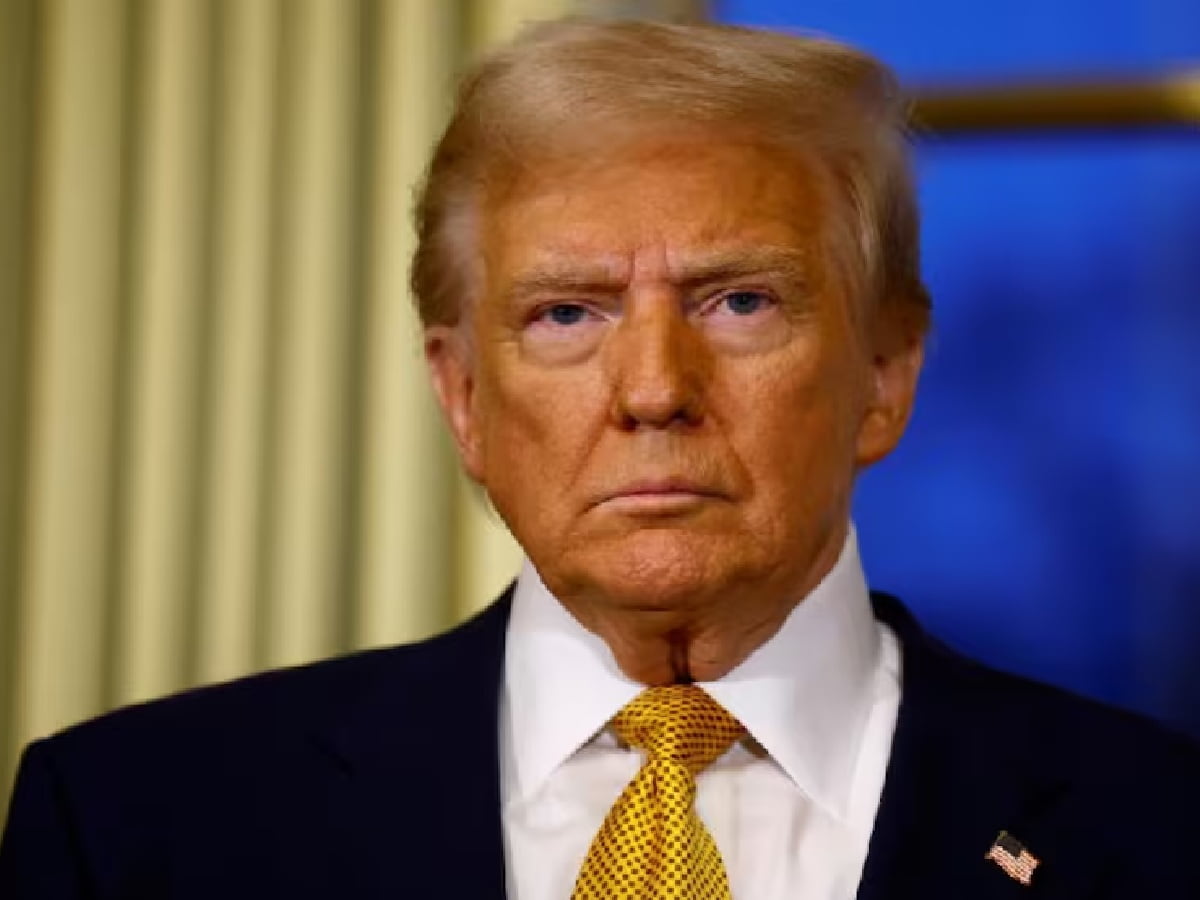
United States President Donald Trump has officially turned down Iran's latest negotiated ceasefire framework aimed at halting the protracted regional conflict across the Middle East, with Washington diplomats pointing to unacceptable preliminary concessions demanded by Tehran. Detailing the White House's rationale in an interview with NBC News, US Ambassador to the United Nations Mike Waltz stated that Iran insisted on major strategic rollbacks—including the immediate lifting of the US naval blockade on Iranian seaports and comprehensive international sanctions relief—before even sitting down at the negotiating table. Characterizing Tehran's posture as bad-faith bargaining designed to force terms it knew Washington would flatly reject, Waltz noted that Trump remains deeply skeptical of Iranian commitments, especially in the wake of an attempted coup months earlier, while the American president openly remarked that Iranian leadership is suing for peace only because they are losing badly on the ground.
Tehran Pushes Back: Araghchi Brands Terms Inalienable Rights Over Strategic Hormuz Pass
The rejected truce framework was formally introduced at the United Nations General Assembly by Iranian Foreign Minister Abbas Araghchi, who called for unfreezing blocked offshore Iranian funds, ending restrictions on petroleum exports, and terminating the naval perimeter monitoring Iranian docks. Defending the blueprint on NBC, Araghchi dismissed US diplomatic criticism as worn-out rhetoric, affirming that Tehran is prepared to ensure full commercial navigation through the crucial Strait of Hormuz provided the United States fulfills its obligations. Asserting that Iran views these demands as non-negotiable legal rights rather than concessions, Araghchi expressed skepticism regarding sustainable progress, observing that the confrontational policies pursued by the US executive branch offer little confidence for direct bilateral engagement.
Looming Aerial Threat and Axios Report on Backchannel Talks Starting Monday
Even as President Trump rejected the proposal and warned that the Pentagon stands prepared to unleash intensified, large-scale airstrikes against Iranian strategic targets, diplomatic pathways have not shut down completely. In an interview with Axios, Trump remarked that he remains hopeful productive exchanges could materialize, while diplomatic sources cited by Axios revealed that indirect, backchannel discussions between American and Iranian negotiators could commence as early as Monday. While Washington maintains an assertive deterrence posture through economic containment and naval chokeholds, the prospect of backdoor mediation indicates that both sides are still probing parameters to avert an uncontrolled regional conflagration.