







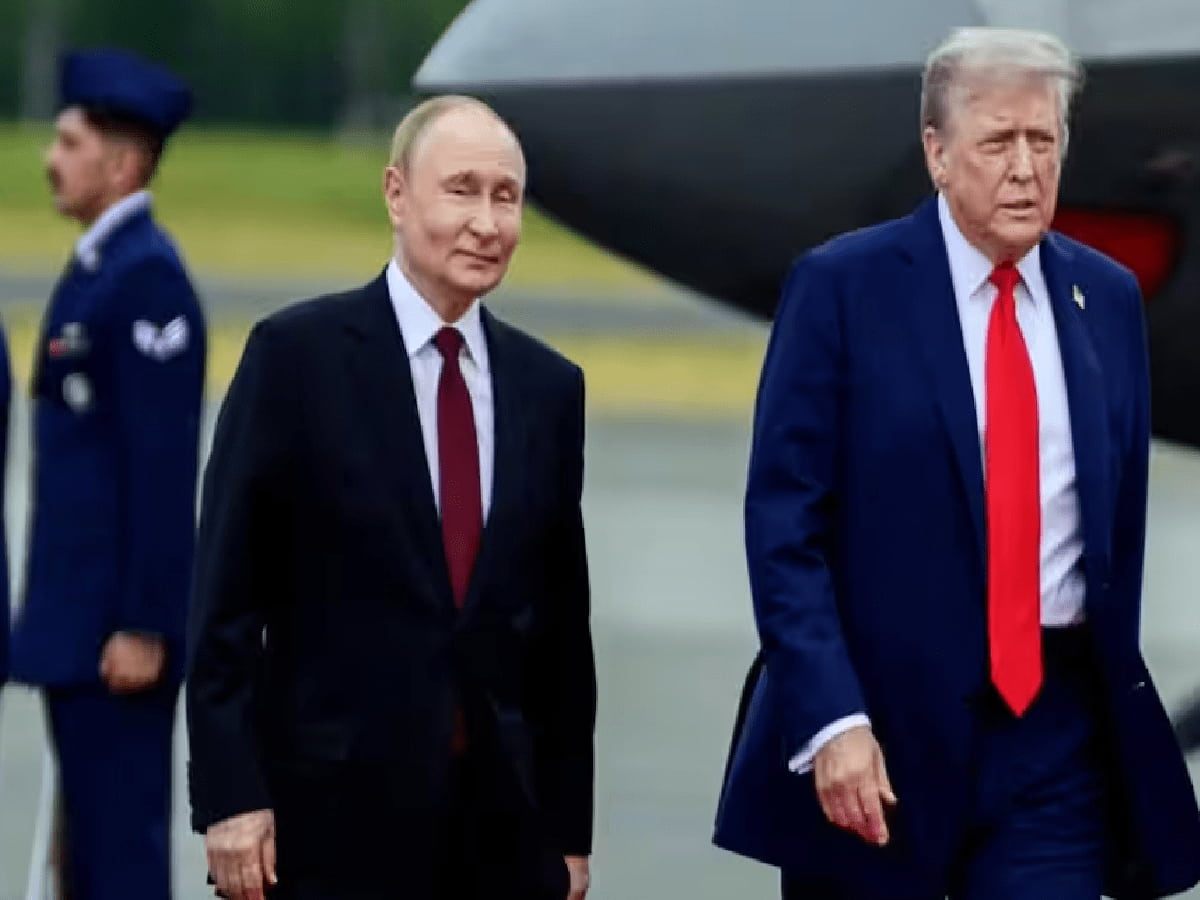
Trump Defends Russia Sanctions Waiver Under Graham Act
Triggering an intense political storm on Capitol Hill and drawing sharp international scrutiny, US President Donald Trump has firmly defended his decision to grant Russia broad sanctions relief under the newly enacted Lindsey O. Graham Sanctioning Russia and Iran Act. Speaking to reporters at his Mar-a-Lago resort in Florida, Trump dismissed mounting bipartisan criticism, characterizing the executive waiver as a strategic move designed to benefit both the United States and the broader global economy. In addition to carving out exceptions for Moscow, the executive order shields the five largest buyers of Russian energy—including major trade partners India and China—from punitive 100 percent secondary tariffs on oil and natural gas imports, temporarily neutralizing fears of a global energy market shock while igniting deep pushback from congressional lawmakers.
The Mar-a-Lago Defense: 'A Very Good Decision for the World'
Addressing journalists following the executive signature, the US President pushed back against claims that the waiver undermines Western foreign policy:
-
Dismissing Public and Media Misconceptions: Speaking on Saturday evening, Trump told reporters: "Many of you don't know what my decision is yet, but you will understand. This is a very good decision and will be good for the country. I think it will be good for the world as well."
-
Shielding Strategic Energy Importers: Crucially, the executive order explicitly exempts the top five buyers of Russian crude oil and natural gas, including India and China, from facing severe 100 percent secondary import tariffs that had been mandated by Congress to choke Moscow's petrodollar revenues.
-
Executive Discretion Retained: The signed order stipulates that these exemptions will stay active until the President or the Secretary of State, in consultation with the Treasury Secretary and the US Trade Representative, determines that alternative economic or diplomatic measures are warranted.
Bipartisan Revolt in Congress: GOP and Democratic Lawmakers Slam Move
The executive waiver has ignited fierce backlash across both sides of the aisle on Capitol Hill, where the Lindsey O. Graham Sanctioning Russia and Iran Act had cleared the Senate by an overwhelming 86 to 11 vote:
-
Thom Tillis Slams 'Bowing to Dictator': North Carolina Republican Senator Thom Tillis called the move "grossly irresponsible," demanding: "Why can't the president and his advisers understand the need to implement a law that passed the Senate by a vote of 86 to 11? It is inexcusable that this administration is bowing to the Russian dictator who illegally invaded Ukraine."
-
Pressure Iran, Not Putin: Tillis argued that if the administration's primary objective is to bring down fuel and consumer energy prices, it should focus on winding down military operations involving Iran rather than granting concessions to Vladimir Putin.
-
John Cornyn Invokes Lindsey Graham's Legacy: Texas Republican Senator John Cornyn expressed deep dismay over the rollback, stating: "Lindsey would have been extremely upset by this decision," highlighting the late Senator Lindsey Graham’s relentless work to push the sanctions bill across the legislative finish line before his death earlier this summer.
Sister of Late Senator Speaks Out: 'I Don't Trust Putin'
The controversy took a personal turn when the late sponsor's family joined senior lawmakers in voicing opposition to the executive relief:
-
Rejection of Diplomatic Concessions: South Carolina Republican Congresswoman Darlene Graham, sister of the late Senator Lindsey Graham, openly challenged the administration's policy direction.
-
Call for Continued Pressure: "Personally, I would choose to pressure Russia to end the war and lower gas prices because I don't trust Russian President Vladimir Putin and Russia," Darlene Graham said, warning that easing economic leverage weakens allied efforts to halt hostilities in Eastern Europe.
-
Impasse Over Sanctions Enforcement: With Congress united behind strict sanctions enforcement and the White House utilizing presidential waiver authorities, the standoff sets the stage for a major constitutional and policy confrontation over trade levers, global oil flows, and transatlantic diplomacy.




