Tehran Warns US: Any Fresh Attack Will Push Middle East War into the Indian Ocean
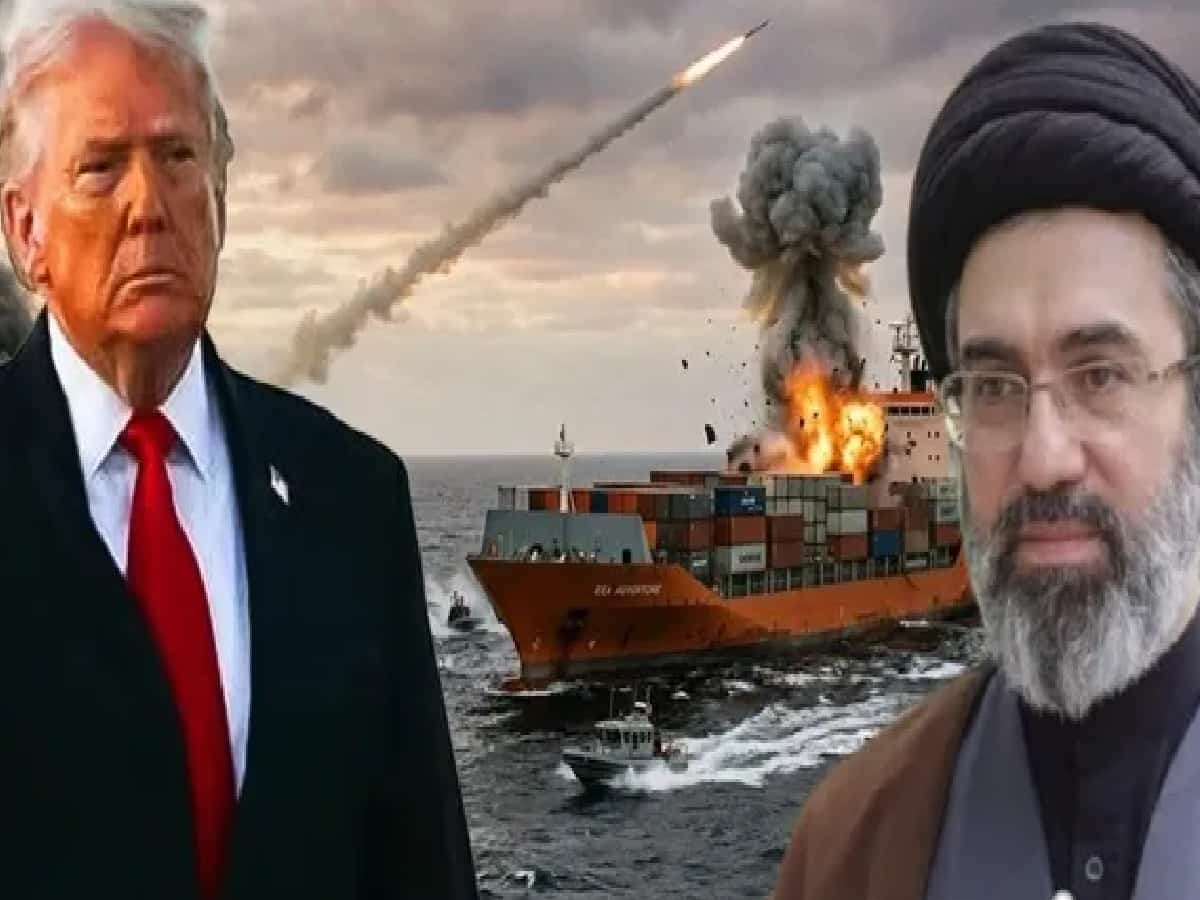
Entering its ninth month without signs of de-escalation, the high-stakes confrontation between the United States and Iran has reached a dangerous flashpoint. In an explicit warning directed at Washington, a senior military adviser to Iran's Supreme Leader cautioned that any renewed American aerial or naval strikes will trigger a sharp geographical expansion of retaliatory operations, threatening to drag the Indian Ocean and surrounding international waterways into active combat.
Conflict Frontlines Expanding Beyond the Gulf and Red Sea
The warning was delivered via a video address released by Iran's semi-official Fars news agency featuring Major General Yahya Rahim Safavi, top military aide to Supreme Leader Ayatollah Ali Khamenei. Safavi pointed out that the operational theater has already expanded from the Persian Gulf and the vital Strait of Hormuz across the Bab-el-Mandeb Strait and into the Red Sea corridor. He warned that persistent American escalations will inevitably force Iran to widen its defensive perimeter, pushing counter-strike operations into the broader expanse of the Indian Ocean and potentially into maritime zones further afield. Echoing these warnings, the Islamic Revolutionary Guard Corps (IRGC) affirmed that it remains prepared to fundamentally overhaul its naval doctrine and operational targeting parameters should provocations continue.
Threat to the World's Most Critical Maritime Superhighways
An expansion of naval hostilities into the Indian Ocean represents an unprecedented hazard for international commerce and global logistical chains. Covering approximately 70.5 million square kilometers—nearly 20 percent of Earth's total water surface—the Indian Ocean serves as the commercial bridge linking Middle Eastern hydrocarbons with the primary manufacturing and consumer markets of Asia, Europe, and Africa. With commercial shipping already severely curtailed through the Strait of Hormuz and the Red Sea due to missile and drone interceptions, shifting naval warfare into the open ocean would disrupt major chokepoints like the Bab-el-Mandeb Strait, choke vital sea lines of communication, and strand bulk container vessels and oil tankers across critical maritime thoroughfares.
Severe Economic and Energy Vulnerabilities Facing India
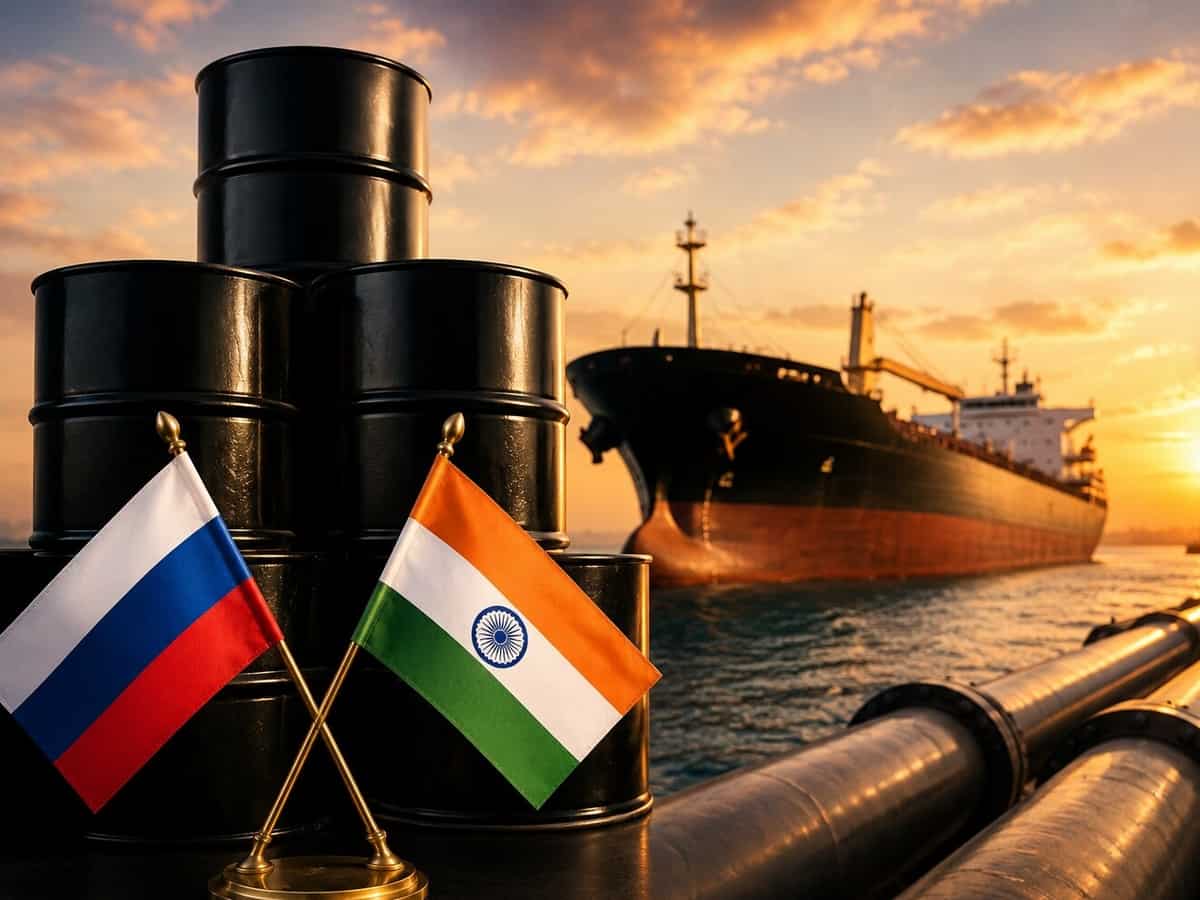
For India, located at the northern center of the Indian Ocean, the prospect of a southward spillover of the conflict poses severe economic and supply-chain challenges. The Indian subcontinent depends heavily on unimpeded maritime access across the Arabian Sea and the Persian Gulf for crude oil, liquefied petroleum gas (LPG), and non-oil commercial shipments. A theater expansion into neighboring waters would trigger steep spikes in maritime freight charges, sky-high war-risk marine insurance premiums, and extended transit detours around southern Africa. In addition to compounding domestic fuel import bills and inflationary pressures on cooking gas, an expanded naval conflict threatens offshore energy platforms, port operations, and merchant marine security across South Asia.