







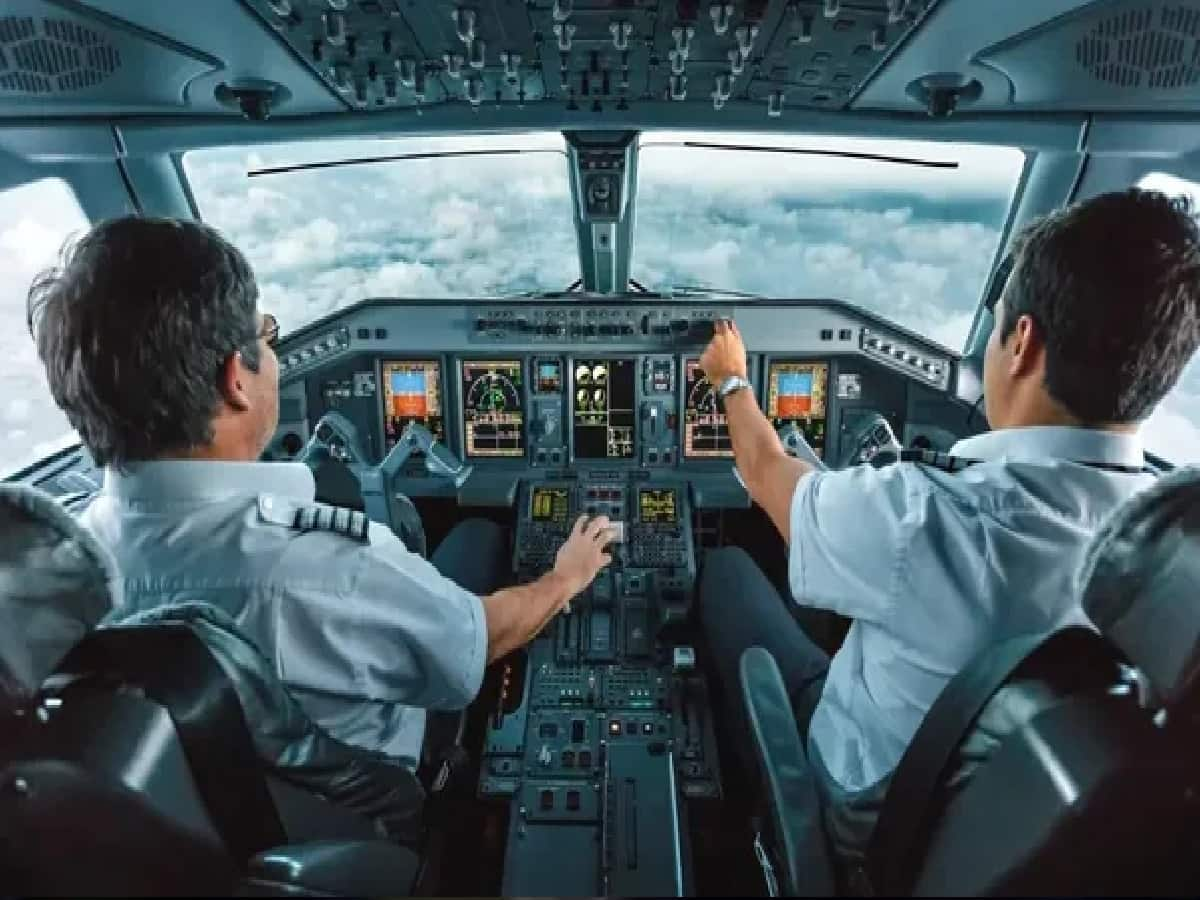
Sleeping at 35,000 Feet: Over 75% of Airline Pilots Admit In-Flight Naps
In a startling disclosure that raises urgent questions about international commercial aviation safety, a comprehensive study released by the European Cockpit Association (ECA) has revealed that more than three out of every four airline pilots have fallen asleep at the flight controls while operating aircraft. The extensive investigation, surveying 7,200 commercial aviators, found that 76.8 percent of respondents experienced at least one episode of in-flight involuntary sleep—termed "microsleep"—within the preceding four weeks. Defined by the National Sleep Foundation as brief, involuntary episodes of sleep lasting anywhere from a fraction of a second up to several seconds, microsleeps frequently occur without the operator even realizing they have drifted off, with individuals occasionally appearing alert with open eyes while their brains temporarily cease processing flight telemetry, environmental inputs, and critical cockpit warnings. Classified by aerospace medical authorities as a primary symptom of severe, cumulative sleep deprivation, the prevalence of cockpit sleep lapses poses an immediate threat to millions of daily airline passengers worldwide.
The Silent Cockpit Threat: Chronic Rest Deficits, Retribution Fears, and Discretion Abuse
The findings highlight systemic operational exhaustion across airline networks, with 38.8 percent of surveyed pilots stating that they consistently or frequently fail to secure adequate recuperative rest between duty rosters, leaving them in a state of persistent physiological exhaustion. The survey exposed a deeply concerning breakdown in aviation safety culture, showing that only 37.2 percent of pilots formally notified their flight operations or safety departments when incapacitated by fatigue. Conversely, 24.2 percent admitted to concealing their exhaustion and operating scheduled passenger flights anyway, citing institutional pressure, fear of disciplinary punishment, and employer displeasure as the overriding reasons for staying silent. The ECA report focused scrutiny on the routine misuse of "commander’s discretion"—a statutory aviation safety protocol intended to grant pilots-in-command the legal leeway to extend flight duty periods or abbreviate mandatory rest intervals during exceptional, unforeseen operational disruptions. According to the data, 38.3 percent of pilots were compelled to invoke commander’s discretion at least once over the past month, 15.2 percent utilized the provision multiple times, and an overwhelming 69.1 percent expressed acute anxiety that refusing flight duty extensions would lead to negative career consequences, retaliatory scheduling, or outright managerial sanctions.
Regulators Urge Non-Punitive Audits Amid 2022 Ethiopian Precedent and 24,000-Pilot Shortage
Confronted with the escalating safety data, the European Union Aviation Safety Agency (EASA) confirmed that it is treating the findings with utmost gravity, urging airline carriers to institutionalize proactive fatigue risk management systems grounded in uncompromised, non-punitive reporting environments where flight crews can stand down without fear of employer retaliation. The systemic danger of dual-pilot incapacitation was starkly demonstrated in 2022 when an Ethiopian Airlines Boeing 737 cruising at 37,000 feet overshot its destination runway because both pilots fell asleep at the controls simultaneously, an incident aviation analyst Alex Macheras termed a grave manifestation of unchecked operational exhaustion. The timing of the study coincides with an acute structural crisis across global aviation, where post-pandemic traffic surges and aggressive scheduling have clashed with severe workforce bottlenecks, driving pilot attrition rates far beyond replacement training capacity. With industry forecasts projecting that the worldwide deficit will peak this year at an unprecedented shortage of 24,000 commercial pilots, aviation unions warn that stretching existing cockpits past safe human endurance thresholds risks transforming minor fatigue-induced lapses into catastrophic mid-air disasters.




