Shadow War Exposed: US Secretly Intervened to Foil Israeli Assassination Plot Against Iran's Top Negotiators
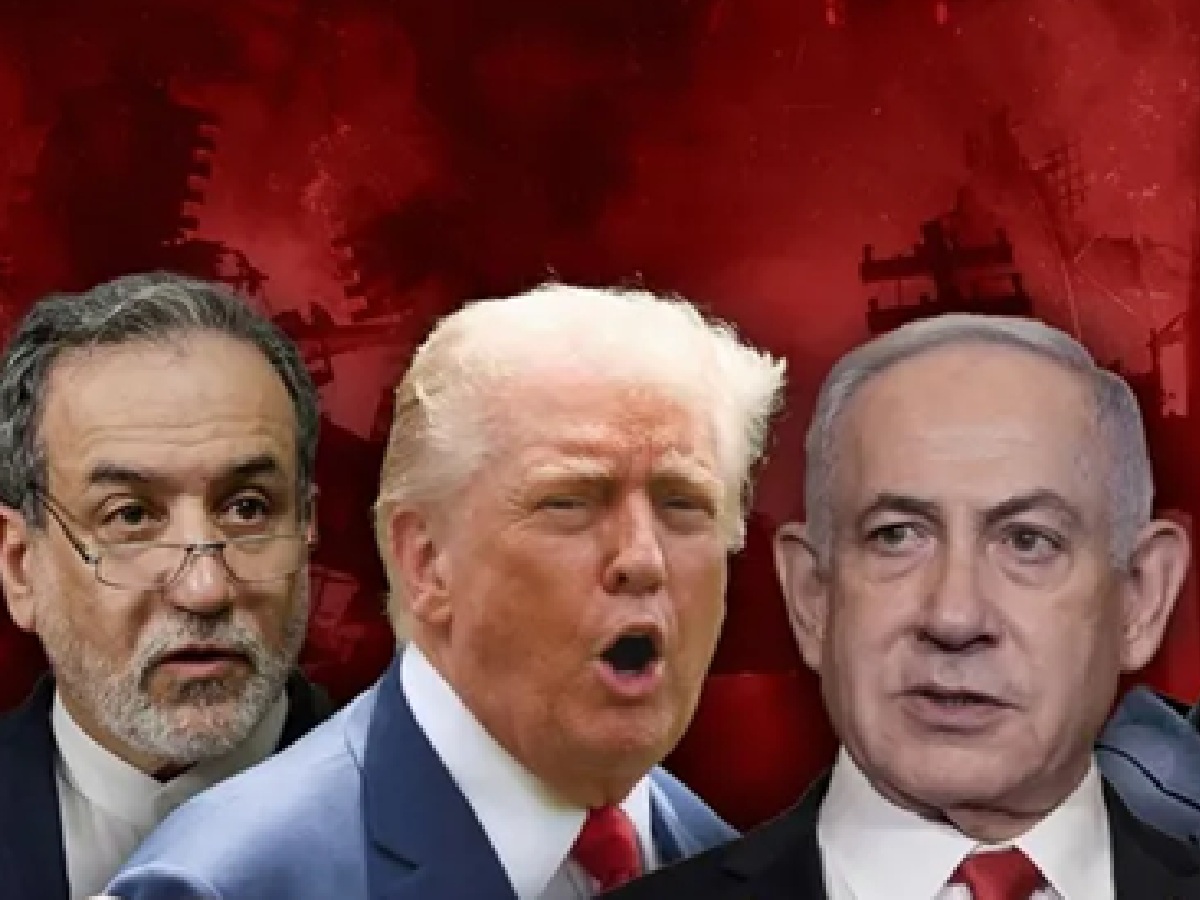
As the West Asia conflict enters a volatile fifth month, a explosive new report has unveiled a high-stakes "shadow war" occurring behind the scenes of diplomatic peace efforts. According to disclosures from The New York Times and The Washington Post, the United States took the unprecedented step of covertly warning Tehran that Israeli intelligence was actively plotting to assassinate two of Iran’s most crucial negotiators: Foreign Minister Abbas Araghchi and Parliament Speaker Mohammad Bagher Ghalibaf.
Why Washington Risked Shielding Iranian Leadership
The American intervention was driven by a desperate strategic calculation. With the peace process hanging by a thread, the Biden administration feared that a targeted strike on Iran’s primary interlocutors would permanently collapse negotiations to reopen the strategic Strait of Hormuz and end the regional bloodshed. US officials reportedly viewed Araghchi and Ghalibaf as the only viable bridges left to reach a ceasefire. In a stern warning delivered through regional intermediaries and direct channels, Washington cautioned Tel Aviv that targeting these specific political figures would be viewed as a direct sabotage of the peace track, potentially triggering a regional wildfire that neither side could contain.
Escalation Following the Assassination of Ali Larijani
Tensions reached a fever pitch in March following the alleged Israeli assassination of senior Iranian national security official Ali Larijani. Western intelligence sources point to this event as a definitive turning point in the conflict. Larijani had been a key architect of back-channel communication, and his sudden removal forced the US to scramble for new high-level contacts to prevent a total diplomatic blackout. Foreign Minister Araghchi and Speaker Ghalibaf subsequently emerged as the primary points of contact for the April ceasefire and the framework for the subsequent June peace agreement, making them the new targets of Israel’s intelligence-led military strategy.
Narrow Escape: The April 12 Air-to-Road Drama
The threat against Iran’s leadership was not merely theoretical; it manifested in a near-catastrophic incident on April 12. After concluding sensitive talks with US Vice President JD Vance in Islamabad, Parliament Speaker Ghalibaf was reportedly returning to Tehran when Iranian intelligence intercepted actionable information regarding an imminent intercept mission by Israeli fighter jets. In a swift counter-move, Ghalibaf’s plane was diverted for an emergency landing in the city of Mashhad. To avoid the risk of further mid-air interception, the Speaker and his security detail traveled the remainder of the distance to Tehran by road, successfully evading the plot.
Diplomacy Under Fire
Despite these harrowing attempts to decapitate Iran's diplomatic leadership, both Araghchi and Ghalibaf have remained at the center of the ongoing peace negotiations. The Israeli Embassy in Washington has declined to comment on these explosive allegations. For now, the survival of these negotiators serves as the fragile backbone of the 14-point memorandum of understanding currently being negotiated. As both nations continue to balance formal diplomacy with a shadow war of assassinations and cyber-warfare, the international community remains anxious about how much longer this delicate house of cards can stand.