







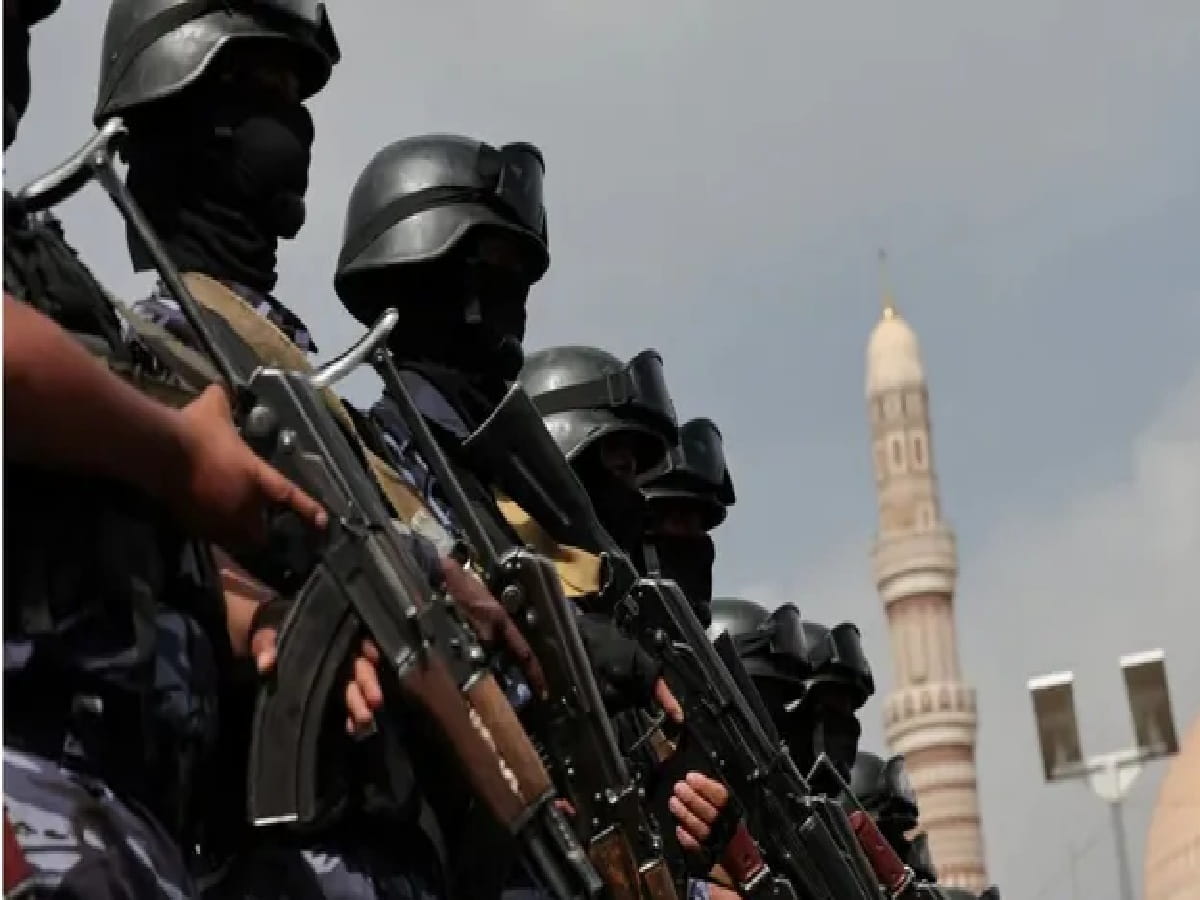
Saudi Defense Minister Lands in Tehran on Military Aircraft for Houthi
In a high-stakes diplomatic maneuver aimed at halting cross-border drone strikes and securing vital maritime corridors, Saudi Arabia has reportedly offered a $1-billion financial settlement to Yemen's Houthi movement under a ceasefire framework brokered by Iran, according to regional diplomatic sources cited by Israeli media. The breakthrough talks gained dramatic visibility following reports that Saudi Defense Minister Prince Khalid bin Salman arrived in Tehran heading a high-level official delegation aboard a Lockheed C-130 Hercules military transport aircraft. While official authorities in Riyadh have refrained from publicly confirming direct cash transfers, the diplomatic blueprint envisions deploying the $1-billion financial allocation through Iranian channels to achieve an immediate, comprehensive ceasefire and secure binding guarantees against further aerial assaults targeting Saudi territorial installations, commercial airports, and energy production assets.
Tehran Power Conclave: Turkish Intelligence, Pakistan Army Chief, and IRGC Unite for De-escalation
The confidential deliberations in Tehran expanded into an extraordinary multilateral assembly involving top security and military leadership from pivotal regional powers. High-profile attendees included Turkish intelligence chief İbrahim Kalın and Pakistan's Chief of Army Staff General Asim Munir, who joined top-level Iranian hosts led by President Masoud Pezeshkian, Supreme National Security Council Secretary General Mohsen Rezaei, and elite commanders from the Islamic Revolutionary Guard Corps (IRGC). Representing the kingdom alongside member delegations of the newly formed 'Makkah Joint Defense Coalition'—a collective security alliance modeled along NATO-style operational principles—the Saudi delegation engaged in intensive mediation. Clarifying the diplomatic framework of the mission, the Saudi Foreign Ministry released an official statement confirming that Prince Khalid’s visit to Tehran constitutes a proactive initiative by the Makkah Joint Defense Coalition to de-escalate brewing regional hostilities, establish sustainable diplomatic pathways, and directly reinforce ongoing third-party mediation mechanisms steered by Qatar and Pakistan.
Hormuz Tanker Crisis and the Stalled Accord: Territorial Concessions Versus Civil Salaries
The urgent push for direct engagement follows a volatile surge in attacks on commercial oil tankers navigating the strategic Strait of Hormuz, where maritime disruptions have choked Gulf crude distribution and triggered severe economic volatility across international energy markets. Addressing the historical roots of the standoff, Gulf diplomatic sources noted that current negotiations aim to salvage a three-year-old draft agreement under which Riyadh was slated to disburse funds covering unpaid civil servant salaries and the reconstruction of critical public infrastructure across Houthi-controlled zones in exchange for an absolute cessation of rebel missile and drone strikes. While Houthi leadership had repeatedly accused Saudi Arabia of defaulting on past commitments, Riyadh has maintained that it will never capitulate to armed extortion, insisting that substantial financial packages remain contingent on the rebels relinquishing captured strategic territories back to Yemen's internationally recognized government. Unfolding against the broader backdrop of heightened military posturing among Iran, the United States, and Israel, Tehran’s mediation signals an assertive drive by Middle Eastern stakeholders to construct an indigenous, regional-led security architecture capable of insulating Gulf oil transit from catastrophic global warfare.




