Russian Strikes Kill 8 in Zaporizhzhia Trump-Putin Multi-Million Ton Diesel Accord
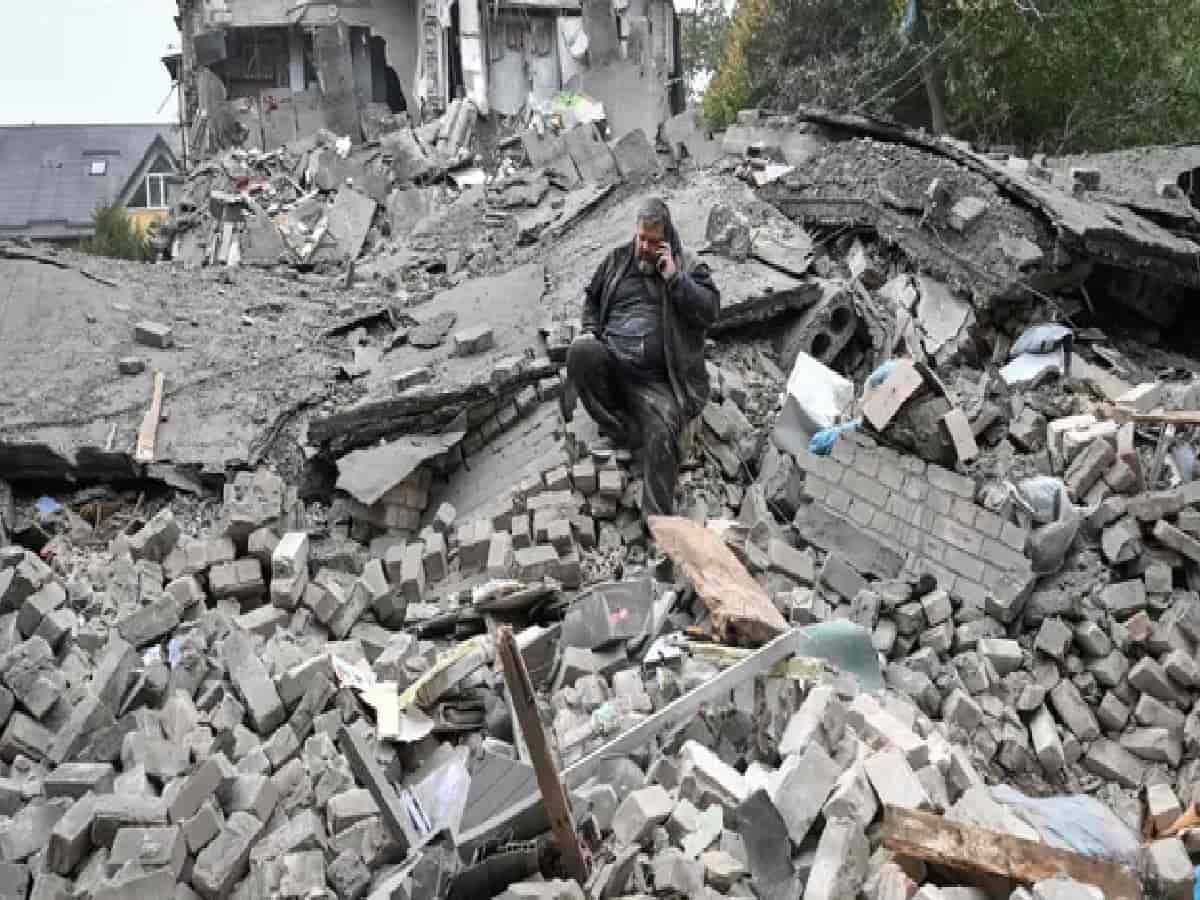
Russian military forces unleashed heavy aerial bombardments against residential zones in Ukraine's southeastern region of Zaporizhzhia on Saturday, October 10, killing at least eight civilians, including three children, and injuring 16 others. According to Ivan Fedorov, co-chairman of the regional defense council, high-impact guided aerial bombs directly pulverized multi-story apartment buildings, marking another lethal escalation in a conflict that has claimed more than 55 lives across Ukraine over the past four days alone. The deadly offensive arrived barely 24 hours after US President Donald Trump confirmed a massive bilateral diesel supply agreement with Russian President Vladimir Putin, triggering geopolitical shockwaves and upending years of coordinated Western economic pressure on the Kremlin.
Trump-Putin Energy Accord: Massive Russian Diesel Shipments to Cool US Pump Prices
The surprise international energy arrangement was finalized during a high-stakes telephone dialogue between President Trump and President Putin on Friday, driven by the US administration's urgent domestic drive to tame surging fuel prices ahead of the pivotal November midterm elections. Under the framework of the agreement, Russia will immediately dispatch over 300,000 metric tons of refined diesel to US markets, followed by 500,000 tons in November, an additional 1 million tons shortly thereafter, and another 3 million tons in the near future. The sudden policy shift marks a sharp reversal from transatlantic isolation efforts and stands in direct contradiction to sweeping secondary sanctions legislation signed into law just last month, which was designed to cripple Russian hydrocarbon revenues that sustain Moscow's wartime economy.
Zelensky Condemns 'Weak Decision' as Miami Peace Talks Face Severe Strain
Reacting with sharp indignation, Ukrainian President Volodymyr Zelensky condemned the Washington-Moscow transaction, characterizing the capitulation as a "weak decision by strong allies." Taking to public channels, Zelensky warned that funneling petroleum revenue back into the Russian state directly equips the Kremlin with the financial resources to amplify military terror, lengthen the bloodshed past its current four-and-a-half-year mark, and diminish international standing for American diplomacy. The controversy unfolded simultaneously alongside closed-door peace discussions in Miami, where Trump's diplomatic envoy Steve Witkoff and son-in-law Jared Kushner engaged Ukrainian representatives. Zelensky expressed profound disillusionment over the dynamic, stating that Ukrainian delegates were treated as a diplomatic showpiece while backdoor concessions were finalized, fundamentally undermining trust between allied nations.