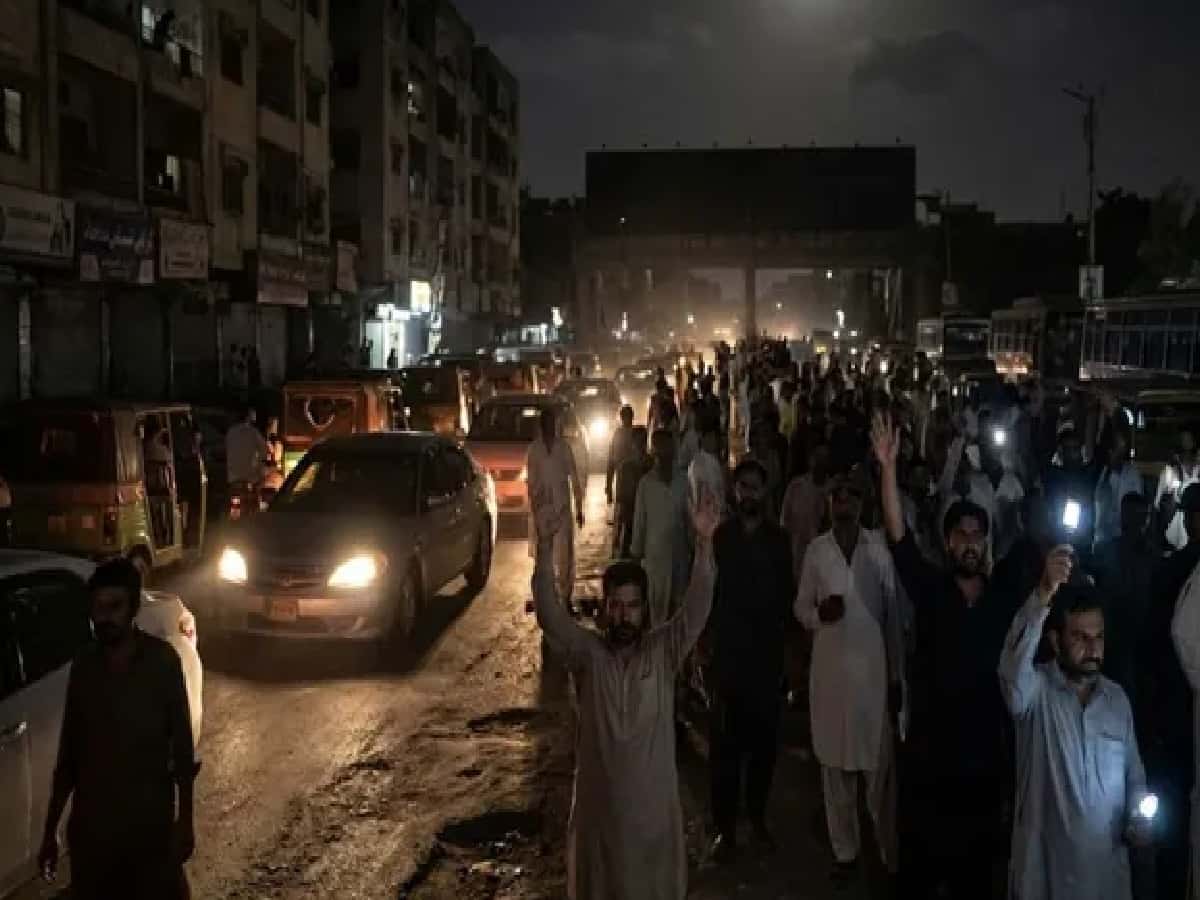
Pakistan Power Crisis 2026: Karachi & Islamabad Hit By 12-Hour Daily Blackouts
Pakistan is currently grappling with a severe and escalating energy crisis that has left major urban centers—including Karachi, Islamabad, and Rawalpindi—plunged into darkness. Millions of residents are enduring grueling 12-hour power cuts daily, crippling daily routines, shutting down essential water supply systems, and triggering massive financial losses for local businesses. As temperatures rise and infrastructure crumbles under the pressure, public frustration has reached a boiling point, sparking intense street protests, traffic paralysis, and urgent calls for government intervention.
The Epicenter of the Crisis: Karachi Faces Crippling Outages and Water Shortages
The economic capital of Pakistan, Karachi, is bearing the heaviest brunt of the ongoing power breakdown. Residents report facing unannounced and continuous power outages lasting up to 12 hours a day. This electricity deficit has directly incapacitated municipal pumping stations, leading to severe drinking water shortages across multiple neighborhoods. On Saturday, exasperated citizens and local business owners took to the streets in protest, blocking major thoroughfares for hours. The resulting gridlock trapped thousands of commuters, critically delaying emergency services, including an ambulance carrying an ailing patient to the hospital for nearly two hours.
Escalating Tensions Between Citizens and Power Utility Providers
The crisis has deepened the rift between desperate consumers and electricity distribution companies. Small business owners and merchants, whose livelihoods depend on continuous power, engaged in heated altercations and minor scuffles with utility workers over crippling financial losses. In response, utility representatives argue that widespread electricity theft, non-payment of soaring utility bills, and billions of dollars in outstanding dues have severely hampered their operational capabilities. Compounding these man-made grid failures, heavy overnight downpours recently battered Islamabad and Rawalpindi, submerging roads, flooding underpasses, and knocking out power grids across several northern sectors.
Root Causes: Fuel Supply Shortages and Strained Power Generation
At the heart of Pakistan's crippling blackouts is a severe shortage of fuel supply. A significant portion of the country's power generation infrastructure relies heavily on natural gas and regasified liquefied natural gas (RLNG). Due to ongoing procurement challenges and economic constraints, fuel imports and domestic allocations have plummeted, forcing power plants to operate well below capacity. Because generation falls drastically short of national consumption demand, utility companies are left with no choice but to implement aggressive load-shedding schedules, plunging the nation deeper into an uncertain and volatile energy future.