







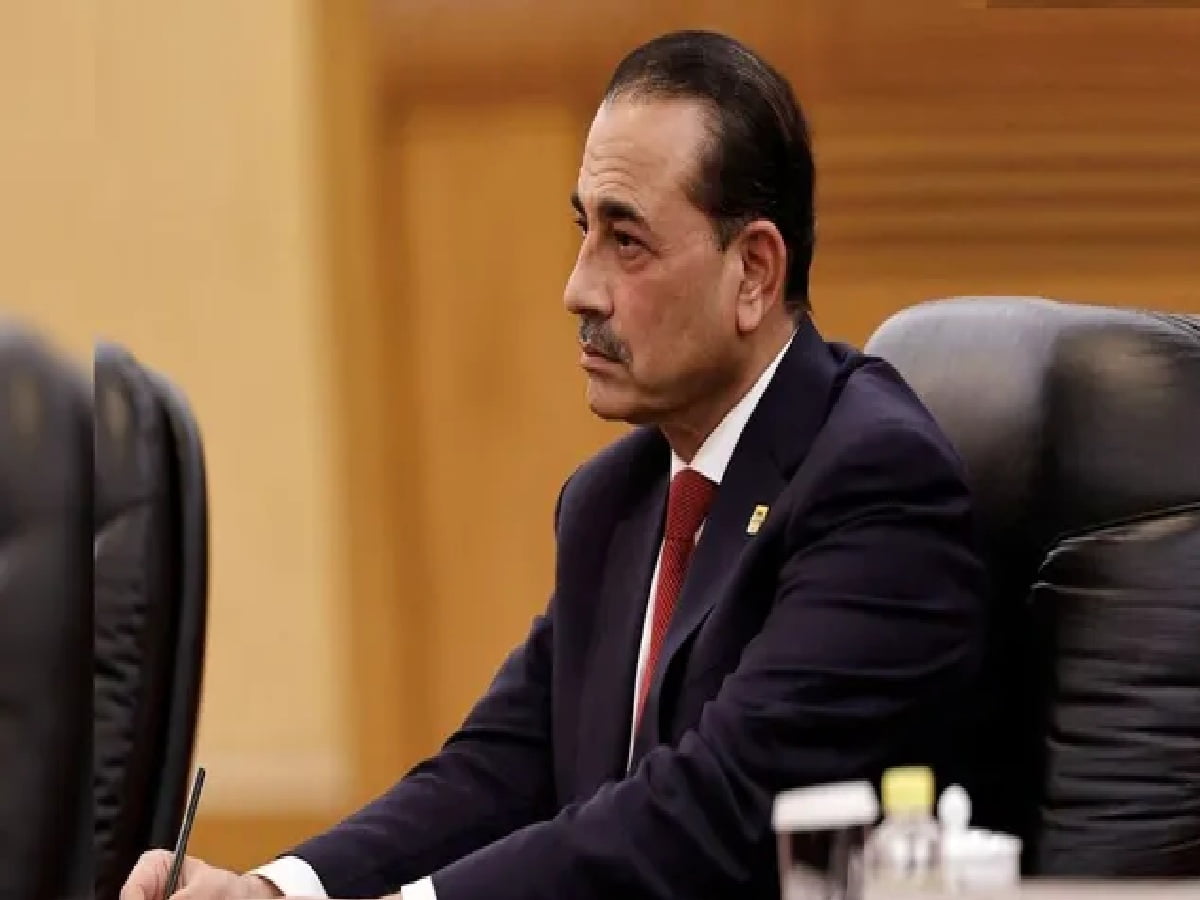
Outrage as Iran Reveals Pakistan Army Chief Asim Munir’s Tehran Remarks
In a diplomatic disclosure that has sparked sharp international reactions, senior Iranian security official Mohsen Rezai has revealed that Pakistan Army Chief General Asim Munir characterized the expanding ties between Hindus and Jews—specifically the strengthening India-Israel bilateral partnership—as a direct threat to Pakistan and the broader Muslim world. Speaking during an interview with Iranian state media, Rezai detailed the closed-door discussions from a quadrilateral security summit held in Tehran on October 26, 2026, which convened senior defense and intelligence leadership from Iran, Pakistan, Turkey, and Saudi Arabia to evaluate shifting geopolitical alignments across West and South Asia.
Four-Nation Conclave in Tehran: Regional Tensions and Munir’s Anti-India Rhetoric
According to Rezai, the high-level security meeting brought together General Munir, Turkey’s intelligence chief Ibrahim Kalin, Saudi Arabia’s Defense Minister Prince Khalid bin Salman, and Iranian security leaders. Discussions centered around regional volatility in the Middle East, with participants voicing concerns that following military actions involving Iran, Israeli strategic focus could pivot toward Turkey and Saudi Arabia. Rezai stated that during these deliberations, General Munir specifically underscored an alleged joint threat, asserting that a burgeoning alliance between Hindus and Jews is actively targeted against Muslims and Pakistan. While the Pakistani military establishment has not officially commented on Rezai’s statements, defense observers note that the rhetoric aligns with Munir’s consistent track record of invoking communal divisions and the Two-Nation Theory—sentiments he previously raised in April 2025 just days before the Pakistan-linked Pahalgam terror attack in Jammu and Kashmir.
Deepening India-Israel Strategic Partnership: From Operation Sindoor to Global Cooperation
The anxiety expressed in Islamabad underscores growing unease over the accelerating strategic and technological convergence between New Delhi and Tel Aviv. India and Israel formally elevated their bilateral relationship to a "Special Strategic Partnership" during Prime Minister Narendra Modi’s landmark state visit to Israel in February 2026, reinforcing multi-sector cooperation across advanced defense hardware, intelligence coordination, counter-terrorism, quantum technology, water resource management, and precision agriculture. The strength of this security nexus was prominently demonstrated in May 2025 during India’s counter-terror campaign "Operation Sindoor" against cross-border terror launchpads in Pakistan, during which Israel openly endorsed India’s legitimate right to sovereign self-defense. Regional geopolitical analysts observe that Islamabad’s continued framing of sovereign bilateral diplomacy through a communal and religious lens underscores its persistent unease over India's rising influence and strategic footprint across West Asia.




