






Oil War in the Strait of Hormuz: Is Iran Targeting Tankers to Manipulate Global Fuel Prices
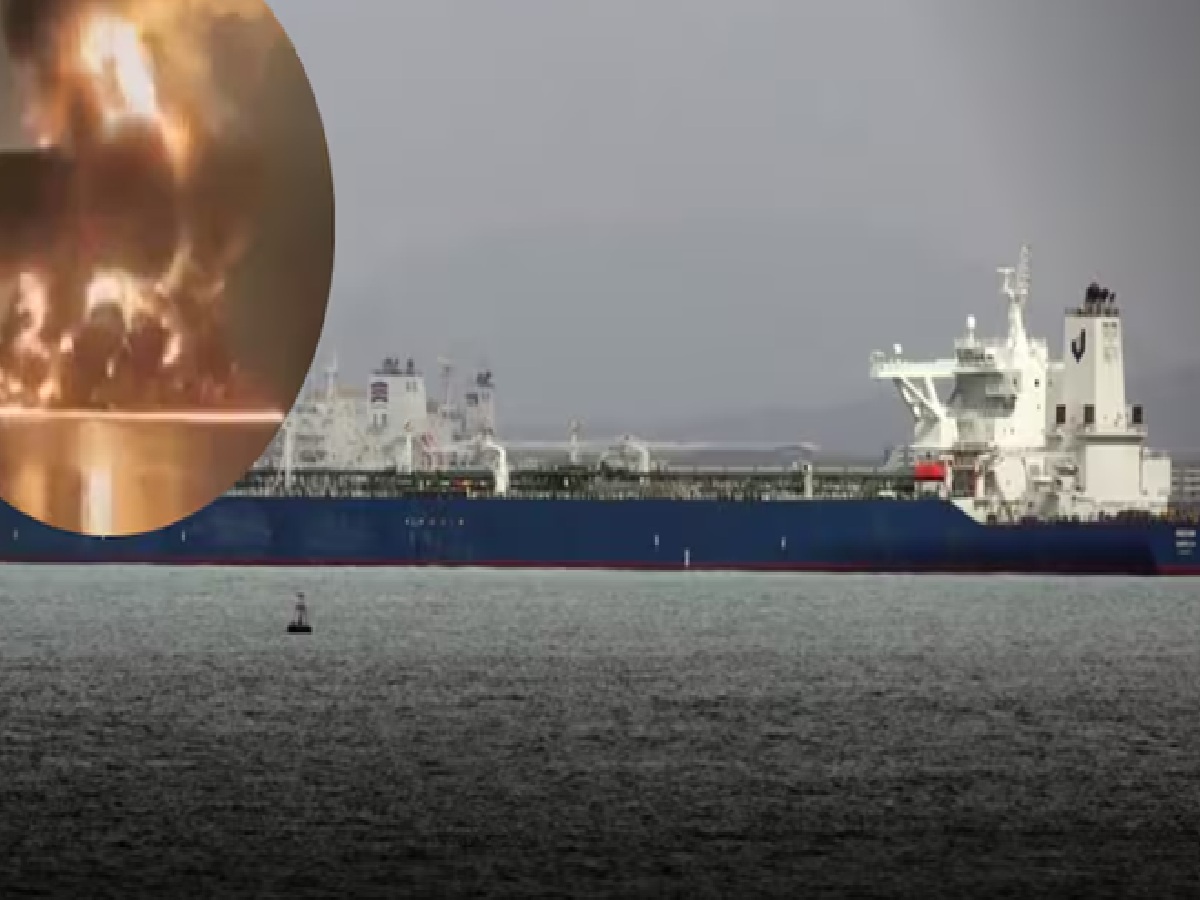
The recent Iranian missile and drone strikes on three major oil and gas tankers in the Strait of Hormuz have sent shockwaves through the global energy market. Beyond the immediate military and geopolitical implications, a brewing debate has emerged: Is Tehran weaponizing the regional conflict to artificially inflate global crude oil prices? Analysts are increasingly questioning whether these attacks are a strategic maneuver to counteract recent market trends that have threatened the economic interests of major oil exporters.
The Targets: A Strategic Message
The Iranian strikes targeted high-value vessels, including the Qatari LNG tanker Al Rekayat, the Saudi-flagged crude oil tanker Wedyan, and a Liberian-flagged commercial carrier. By specifically targeting ships associated with regional rivals, Iran is signaling a bold assertion of dominance over the Strait of Hormuz—the world’s most critical maritime oil chokepoint. Tehran’s narrative suggests a new "post-war status quo," where the Islamic Republic dictates which sea routes are safe, effectively placing a premium on the security of global energy transit.
Market Manipulation or Geopolitical Posturing
A dominant theory circulating among energy analysts is that Iran is deliberately orchestrating regional instability to halt the downward slide of global oil prices. Historically, any escalation in the Middle East triggers an immediate surge in crude futures. With Saudi Arabia recently implementing its most significant oil price cut in 26 years, some observers argue that the strike on the Saudi tanker Wedyan was a calculated warning against flooding the market. By keeping tensions high, Iran arguably creates a "geopolitical risk premium" that forces prices upward, thereby protecting the revenue streams of oil-exporting nations heavily reliant on high barrel prices.
Internal Power Struggles and Hardline Tactics
The conflict is further complicated by internal dynamics within the Islamic Revolutionary Guard Corps (IRGC). Observers suggest that radical factions within the IRGC remain staunchly opposed to any diplomatic thaw or ceasefire processes. These hardliners reportedly believe that maintaining an atmosphere of constant tension is the only way to assert absolute control over the Strait of Hormuz. By undermining peace efforts, these elements ensure that Iran remains the primary disruptor of energy flows, allowing them to exert immense leverage over both regional adversaries and international powers. While the direct link between the price cuts and the attacks remains unconfirmed, the timing of these assaults has undeniably shattered the fragile calm, leaving global economies to pay the price at the pump.