







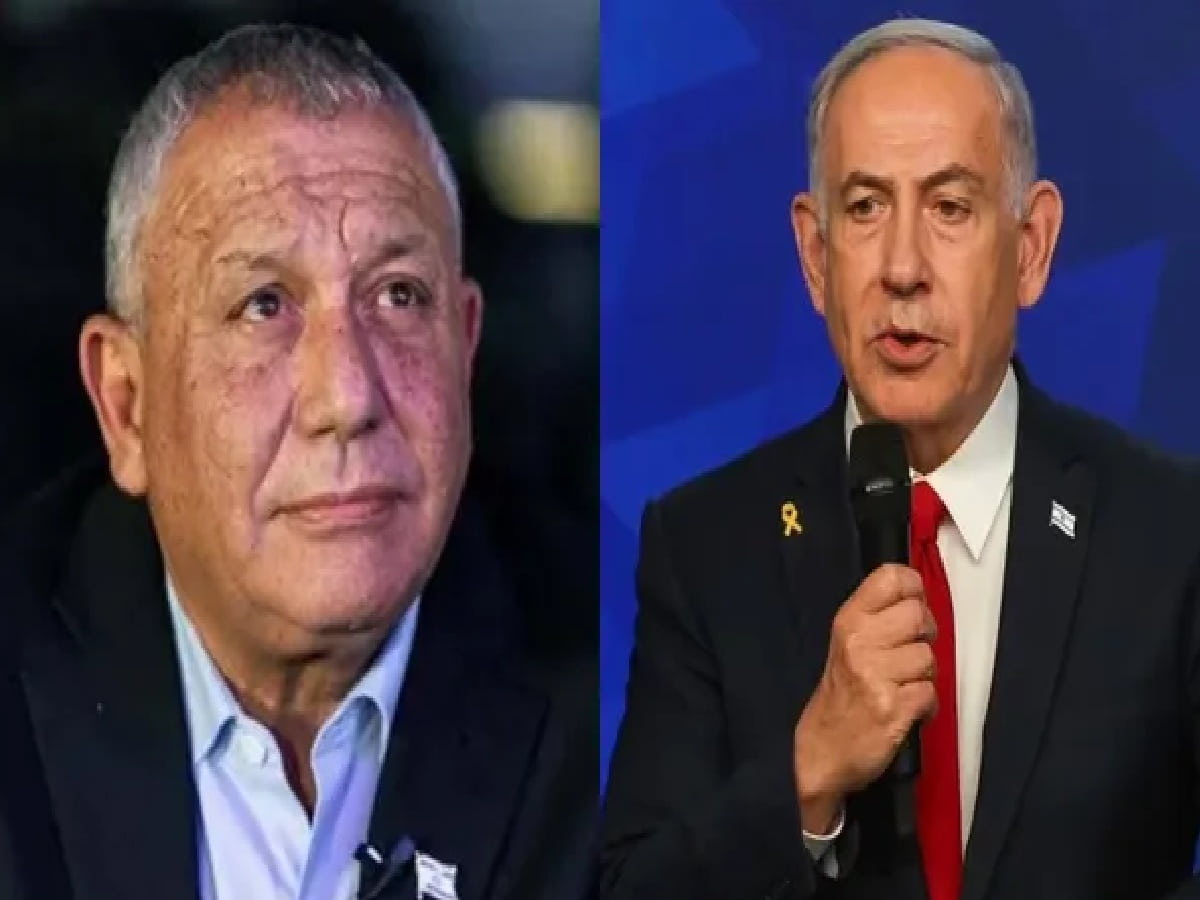
Netanyahu Eyes Deal with Eizenkot as Arab Parties Back 67-Seat Ouster Bid
Intense political maneuvering has gripped Jerusalem in the wake of Israel's inconclusive October 27 parliamentary election, with Prime Minister Benjamin Netanyahu reportedly exploring an alliance with opposition leader Gadi Eizenkot to prevent a rival coalition from wresting control of the Knesset. According to reports from Israeli broadcaster i24 News, Netanyahu's preemptive overture is fueled by mounting apprehension that Eizenkot could successfully marshal a majority government backed by Arab factions, effectively unseating the long-serving prime minister from the helm of power. With neither main political bloc commanding a standalone majority in the 120-seat national legislature—where Netanyahu’s pro-government camp captured 53 seats, Eizenkot's centrist and opposition bloc secured 48 seats, and Arab political parties won 19 seats—the race to secure the critical 61-seat threshold has plunged the nation into a high-stakes legislative deadlock.
The Arithmetic of Power: Three Routes for Netanyahu vs Eizenkot's 67-Seat Arab Alliance
To retain executive office, Netanyahu is weighing three distinct tactical scenarios to navigate the hung parliament. His first option involves luring defectors or smaller party factions from the 48-member opposition bloc to stitch together an elusive 61-seat working majority; his second path is the creation of a broad national unity government alongside Gadi Eizenkot and his partners, which would preserve Netanyahu’s premiership while providing ministerial portfolios to the opposition; and his third, most precarious alternative is managing a minority government that relies on outside abstentions or confidence-and-supply arrangements. Conversely, Eizenkot holds powerful leverage after Arab parties—including the Joint List and Mansour Abbas's Ra'am—formally signaled their backing on Sunday, theoretically elevating his coalition strength to 67 lawmakers, well above the 61-seat line. To circumvent reliance on non-Zionist Arab parties, Eizenkot is concurrently courting ultra-Orthodox religious factions such as United Torah Judaism (UTJ) to construct an alternate Jewish consensus majority.
Knesset Speaker Showdown, October 7 Inquiry & Threat of Repeat Elections
Before a prime minister can be finalized, the opposition coalition is coordinating an immediate legislative strike aimed at ousting incumbent Knesset Speaker Amir Ohana, a key Likud loyalist. By taking control of the Knesset presidium and parliamentary agenda, opposition factions intend to fast-track landmark legislative initiatives, chief among them the establishment of an independent, legally binding state commission of inquiry into the institutional and military lapses surrounding the October 7, 2023 Hamas attacks. However, internal disagreements over a consensus Speaker candidate continue to stall the effort, complicated by parliamentary bylaws stipulating that once a permanent Speaker is elected, unseating them demands a rare 90-vote supermajority. With negotiations balanced on a knife's edge, Israeli President Isaac Herzog is initiating formal consultations with all elected party delegations to assign the initial mandate for government formation, under the shadow that failure by both Netanyahu and Eizenkot to stitch together 61 votes will inevitably force the country into an unprecedented round of snap repeat elections.




