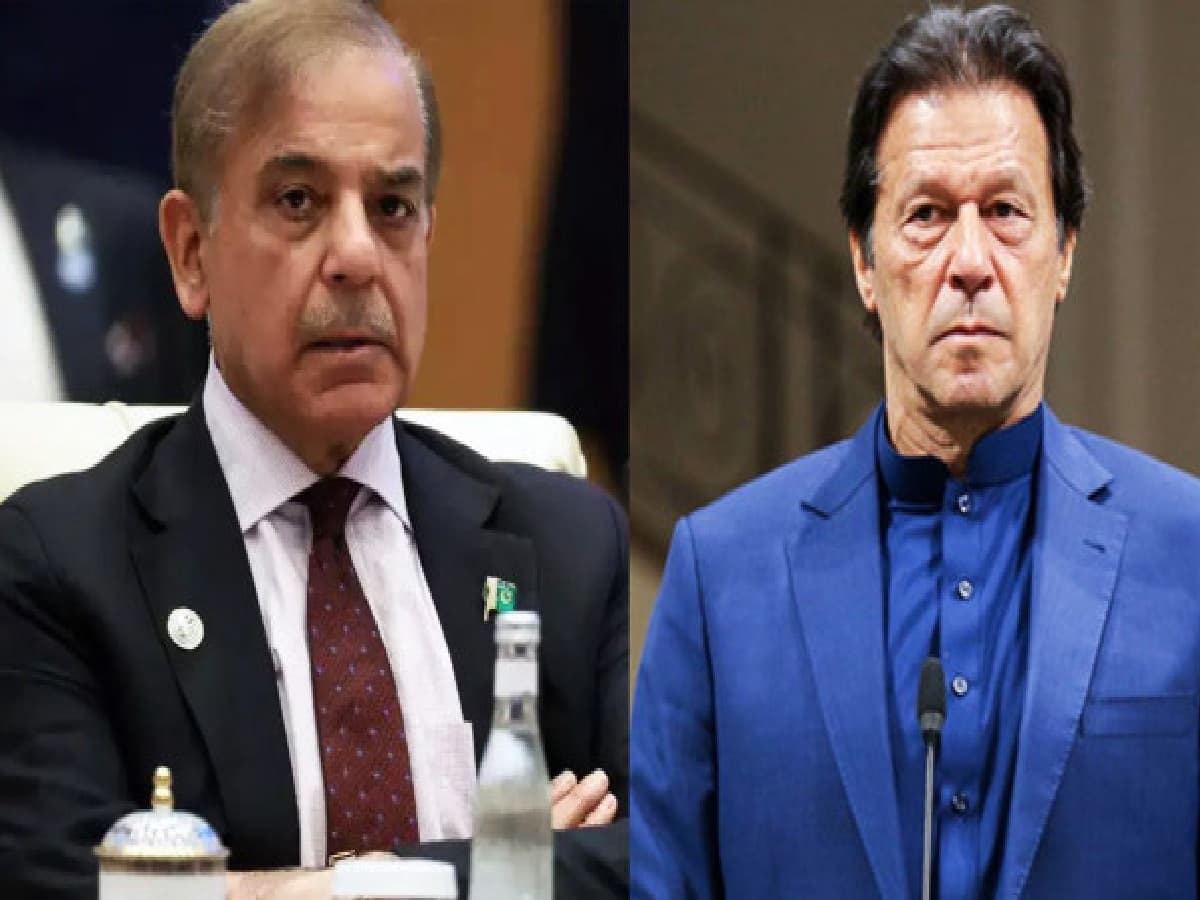
Munir and Shehbaz Failed to Break Imran Khan: The Secret Behind PTI Chief's
Pakistan's federal capital of Islamabad finds itself turned into an impenetrable fortress once again, guarded by thousands of police personnel, paramilitary forces, and shipping containers blocking key transit points. Despite spending three consecutive years behind bars, former Prime Minister Imran Khan continues to dictate the country's political pulse from his prison cell. While Pakistan Tehreek-e-Insaf (PTI) activists recently rescheduled their planned march toward the capital from late September to October 4, the sheer panic inside the Shehbaz Sharif administration and Rawalpindi's military establishment highlights an unresolved dilemma: why has the powerful Pakistani deep state failed to neutralize Imran Khan’s influence?
From Cricket Stardom to Grassroots Mass Mobilization
Imran Khan's unique resilience stems from an unprecedented public stature cultivated long before his entry into mainstream governance. After captaining Pakistan to its historic 1992 Cricket World Cup victory, Khan transcended traditional political molds by founding the Shaukat Khanum Memorial Cancer Hospital in Lahore, earning nationwide trust and emotional goodwill. When he founded PTI in 1996, he challenged the established dynastic dominance of the Sharif and Bhutto-Zardari families. Over two decades of relentless grassroots organizing transformed him into a populist figurehead, culminating in his ascent to the prime ministership in 2018 under the banner of creating a corruption-free 'Naya Pakistan.'
Rupture With Rawalpindi and the Clashes of May 2023
Khan's tenure ran into direct friction with the military establishment over key diplomatic and security alignments, including his high-profile visit to Moscow on the eve of the Ukraine conflict and sharp rhetoric accusing Western powers of interference. Following his ouster through a parliamentary no-confidence motion, Khan took the unprecedented step of directly challenging military headquarters in Rawalpindi. When state agencies arrested him, protests erupted across Pakistan, targeting high-security military installations and corps commanders' residences—an open defiance unseen in the country's modern history.
Crackdowns, Disqualification, and Ballot-Box Defiance
Under the joint pressure of Field General Asim Munir and Prime Minister Shehbaz Sharif, state machinery unleashed sweeping administrative curbs to dismantle PTI. The party was stripped of its election symbol, top leaders were incarcerated, and over a hundred criminal cases were slapped against Khan. Yet, during the 2024 general elections, independent candidates backed by Khan defied expectations to secure the largest share of votes, demonstrating that state suppression had only deepened his core support base across Punjab and Khyber Pakhtunkhwa.
International Scrutiny and Pressure on the Deep State
Unlike previous civilian leaders who were marginalized or forced into exile by military rulers, Khan's global visibility has made outright elimination impossible for an economically fragile Pakistan reliant on external bailout packages. Global cricket icons have petitioned Islamabad for his well-being, while United Nations Special Rapporteur Alice Jill Edwards raised serious concerns over harsh detention conditions and solitary confinement. During recent international cricket broadcasts, the Pakistan Cricket Board's attempts to silence his family's voice backfired, proving that Khan's shadow looms large over every institution in the country.