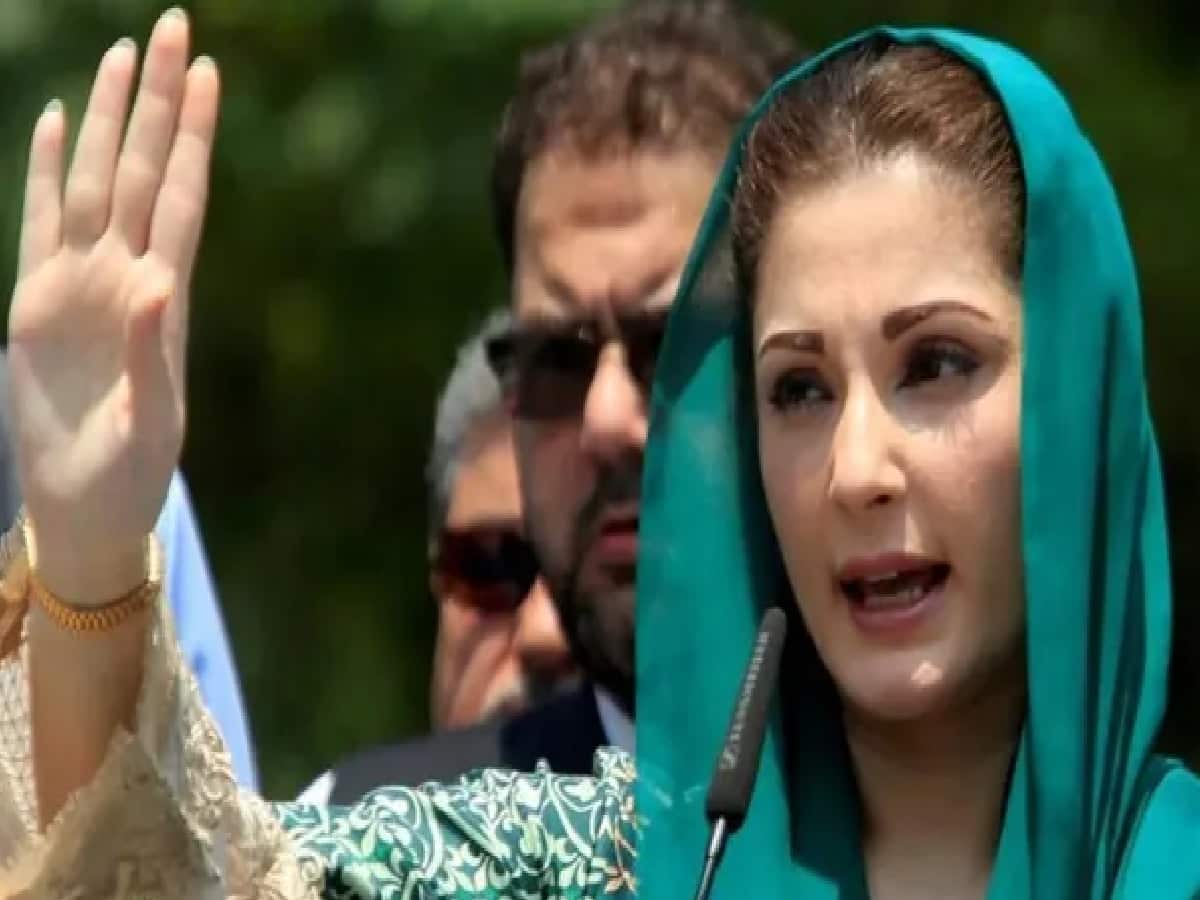
Maryam Nawaz Warns Pakistani Punjab Faces Greater Security Threat From Neighboring Provinces
In a surprising and politically charged admission, Pakistan Muslim League-Nawaz (PML-N) leader and Punjab Chief Minister Maryam Nawaz has claimed that her province faces a more severe security threat from its internal neighbors than from traditional cross-border rivals like India or Afghanistan. Speaking at a public event in Lahore on Saturday, the Chief Minister pointed directly toward neighboring provinces—specifically Khyber Pakhtunkhwa—arguing that ongoing domestic militancy and rising cross-border terrorism pose a far greater danger to Punjab’s 130 million residents than any foreign adversary. Her remarks have instantly triggered a sharp political backlash across Pakistan, drawing condemnation from opposition leaders who termed the assessment divisive.
Internal Terrorism and Cross-Border Spillover Sparks Security Concerns
Pakistan has witnessed a significant and alarming resurgence in terrorist activities over the past few years, with violence heavily concentrated in the western provinces of Khyber Pakhtunkhwa and Balochistan, which share porous borders with Punjab. Addressing the gathering in Lahore, Maryam Nawaz elaborated on how militant networks operate. She stated that acts of terrorism routinely bleed into Punjab by exploiting the administrative boundaries shared with adjacent provinces.
While expressing gratitude that Punjab remains largely secure relative to its volatile neighbors, she emphasized that the primary security apparatus must now remain vigilant against internal threats originating from within Pakistan's federal framework.
Opposition Leader Asad Qaiser Slams Remarks as Insulting
The Punjab Chief Minister's candid evaluation immediately drew furious reactions from political opponents. Asad Qaiser, a senior leader of the opposition Pakistan Tehreek-e-Insaf (PTI) party—which governs the provincial administration in Khyber Pakhtunkhwa—strongly condemned her statements. Qaiser characterized Maryam Nawaz’s comments as deeply insulting to the people of Khyber Pakhtunkhwa, accusing the ruling leadership of deflecting blame and fostering provincial polarization instead of fostering national unity to combat the collective scourge of terrorism.