







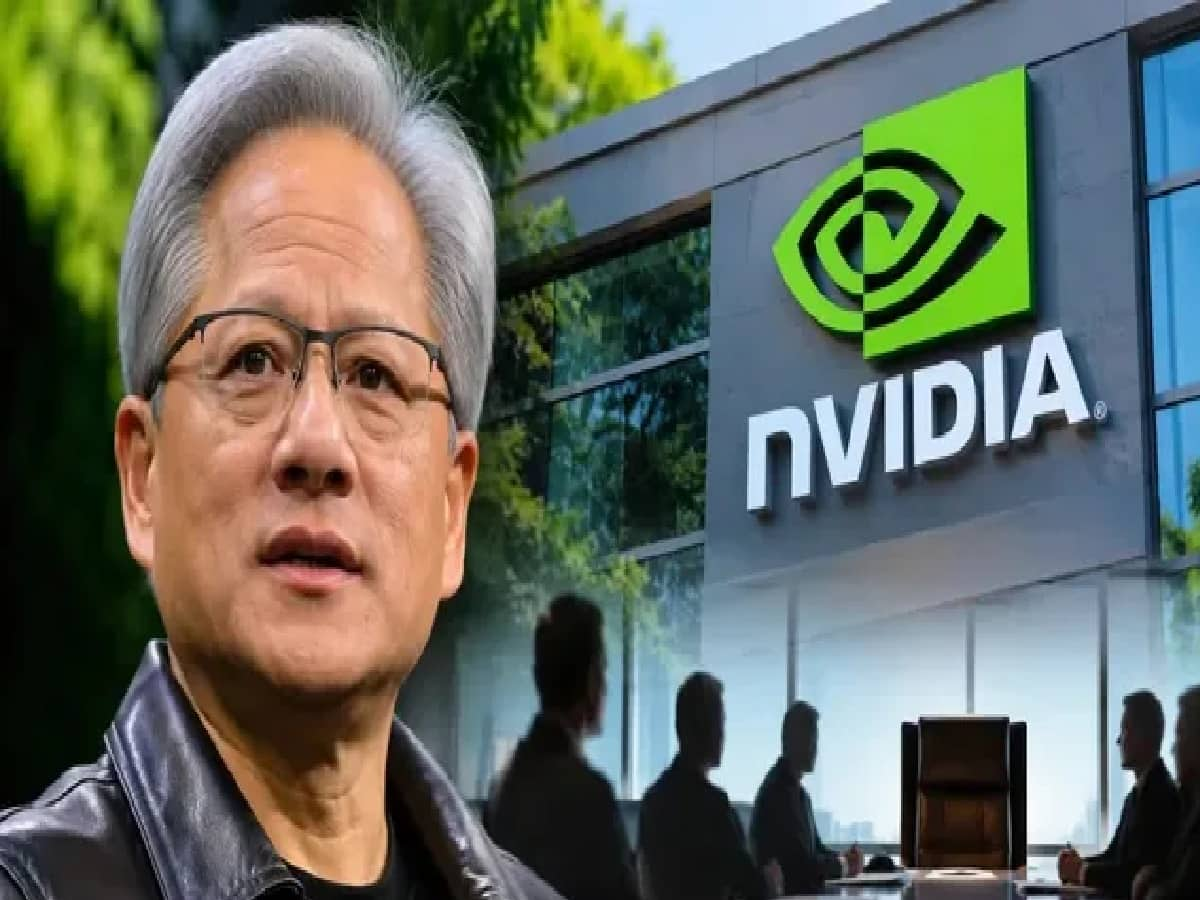
Jensen Huang Cleared: How Trump Team Assessed Nvidia CEO Security Risk
Behind the dramatic 72-hour White House campaign that paved the way for Jensen Huang's reinstatement as Chief Executive Officer of Nvidia earlier this week lies a high-stakes national security assessment that has now ignited sharp debate on Capitol Hill. Highlighted across international technology, legal, and diplomatic desks on Thursday, November 26, 2026, details emerging from Washington explain how President Donald Trump's administration concluded that the Silicon Valley chipmaker's co-founder posed no threat to United States national security—even though the US Department of Justice (DOJ) never opened a formal criminal or counterintelligence investigation directly targeting Huang himself. Speaking to reporters in Ohio on Wednesday, Vice President JD Vance confirmed that the White House assured Nvidia's board of directors prior to Huang's November 23 return that he was under no federal investigation and had committed no crime—adding that Huang "doesn't need a pardon at all". Instead of a standalone probe into the Nvidia chief, Attorney General Todd Blanche drew his clearance conclusion from evidence gathered in two ongoing DOJ investigations into major Nvidia customers—Super Micro Computer and Singapore-based Megaspeed International—suspected of diverting advanced artificial intelligence microchips to China. Finding no evidence that Huang acted as a Chinese agent, broke US export-control laws, or knowingly funneled sensitive semiconductors to Beijing, Blanche briefed President Trump and Vice President Vance, who personally relayed those assurances to Nvidia's board. At the same time, US officials told congressional lawmakers during a classified briefing that intelligence agencies found no evidence the Chinese government directed former Megaspeed executive Alice Huang—with whom Jensen Huang acknowledged an affair before his November 11 resignation—to spy on the Nvidia chief. Across Washington, Santa Clara, New Delhi, Bengaluru, Mumbai, and Hyderabad, the disclosure has calmed global AI supply-chain jitters while setting up a fiery Congressional hearing next week.
How the Trump Administration Cleared Nvidia CEO Jensen Huang: Key Facts
To bring together the exact basis on which Attorney General Todd Blanche, President Donald Trump, and Vice President JD Vance cleared Jensen Huang, what US intelligence briefings revealed regarding Alice Huang, Megaspeed International, and Super Micro Computer, and why bipartisan lawmakers on Capitol Hill are questioning the reinstatement timeline, the tables below organize all verified developments:
Official Clearance Assessment & White House Assurances (November 2026)
| Institutional Actor | Verified Action or Statement | Strategic & Legal Significance |
| US Department of Justice / Attorney General Todd Blanche | Did not open a formal investigation into Jensen Huang; instead reviewed evidence from ongoing chip-smuggling probes into Nvidia clients Super Micro Computer and Megaspeed International, concluding there was no evidence Huang violated US law or posed a national security threat (an assessment subject to change if new evidence emerges). | Treated Nvidia as a cooperating witness rather than a target while keeping export-control scrutiny focused on downstream resellers and data-center operators. |
| Vice President JD Vance & President Donald Trump | Held direct calls over 72 hours with Nvidia's board and legal counsel assuring them Huang was under no investigation and posed no security risk; on Wednesday, Vance stated: "I don't think he needs a pardon at all. I haven't seen any evidence, again, that he committed a crime," while urging strict export-control compliance. | Removed the primary legal and governance hurdle blocking Nvidia's board from reinstating Huang just 11–12 days after his November 11 resignation. |
| US Intelligence Community Briefing to Congress | Informed lawmakers in a classified briefing that while agencies collected intelligence on former Megaspeed executive Alice Huang (alleged to have contacts with Chinese intelligence) and the FBI previously issued at least two counterintelligence advisories to Nvidia executives, officials found no evidence Beijing directed Alice Huang to spy on Jensen Huang. | Separates personal-conduct controversy from state-directed espionage, though lawmakers continue probing potential compromise risks. |
Timeline of the Nvidia Leadership Crisis & Reinstatement (Oct–Nov 2026)
| Date | Key Event | Impact on Nvidia & Washington |
| Late Oct – Nov 11, 2026 | Media reports spotlighted Nvidia's chip sales to Megaspeed and Huang's personal relationship with former Megaspeed executive Alice Huang alongside an internal code-of-conduct probe; Jensen Huang resigned as Nvidia CEO, president, and director on November 11. | Triggered acute uncertainty across global semiconductor markets and Washington policy circles. |
| November 21–23, 2026 | Attorney General Todd Blanche briefed Trump and Vance that DOJ held no evidence of wrongdoing by Huang; following direct assurances from Trump and Vance, Nvidia's board reinstated Huang as CEO on November 23. | Restored Nvidia's founding leader to the helm of the world's most valuable AI chipmaker. |
| November 25–26, 2026 & Next Week | JD Vance publicly backed Huang's return and dismissed pardon talk; bipartisan Senators (John Curtis, Pete Ricketts, Elissa Slotkin) questioned the clearance process, setting the stage for Huang's scheduled testimony before Congress next week. | Ensures intense parliamentary scrutiny over AI chip exports to China and corporate governance. |
Why Capitol Hill Lawmakers Are Demanding Answers Before Next Week's Hearing
Despite the White House's clean chit, senior Republican and Democratic lawmakers—including Senate Commerce Committee member John Curtis, Senate Foreign Relations Committee member Pete Ricketts, and Senate Homeland Security Committee member Elissa Slotkin—have publicly questioned whether clearing Huang without a dedicated probe into counterintelligence risks was premature. Lawmakers have pressed Nvidia's board to clarify exactly which federal officials weighed in and what safeguards govern high-end AI GPU shipments through third-country intermediaries.
What Global Tech Markets and Indian AI Stakeholders Should Watch Next
For semiconductor supply chains, cloud operators, and AI developers across Santa Clara, Washington, Bengaluru, Hyderabad, Mumbai, and New Delhi, two parallel tracks now matter most: Jensen Huang's upcoming Congressional testimony next week and the DOJ's continuing export-control investigations into Super Micro Computer and Megaspeed International, which Attorney General Todd Blanche noted remain active and subject to further evidentiary findings.




