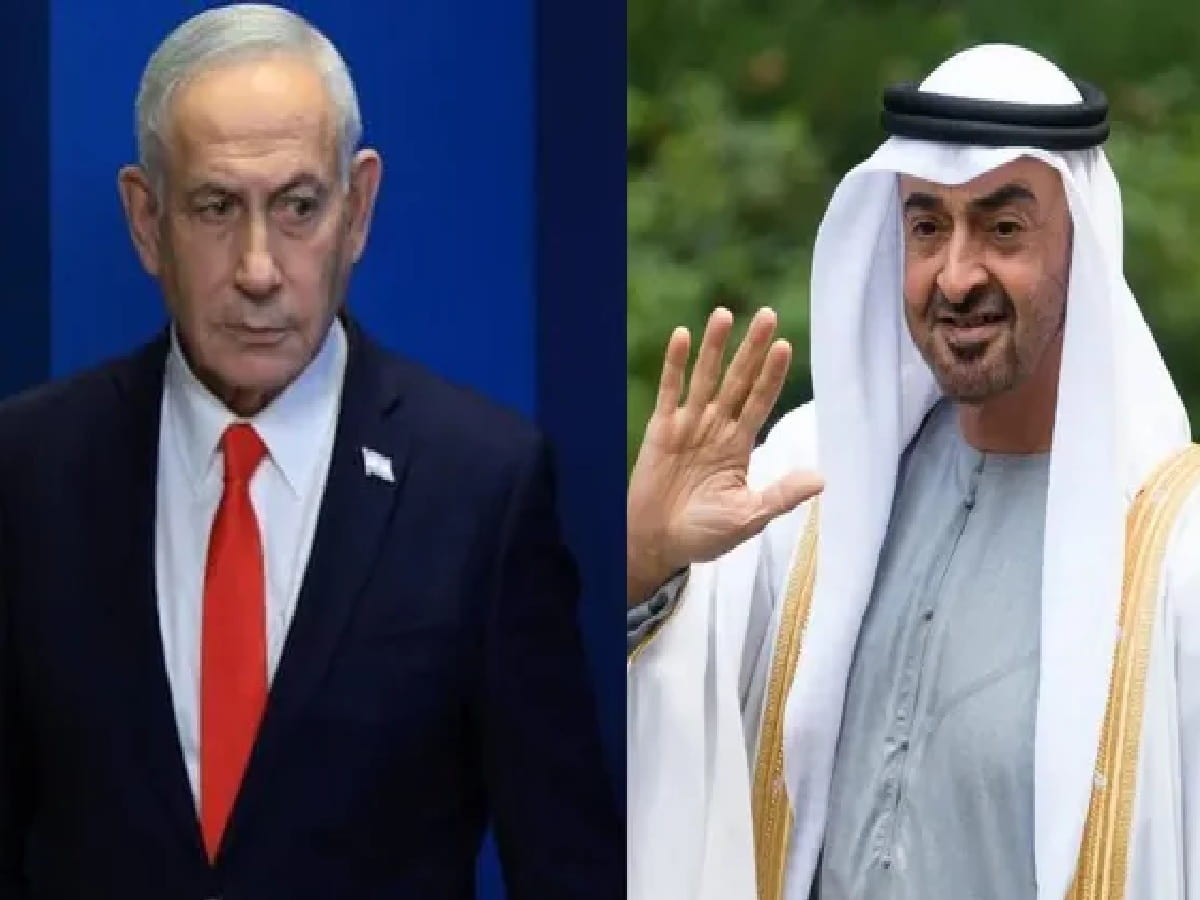
Israeli PM Meets UAE President Amid Tensions and October 7 Warning Row
In a high-profile diplomatic development unfolding under strict secrecy, Israeli Prime Minister Benjamin Netanyahu traveled to the United Arab Emirates on Sunday for an unannounced face-to-face meeting with UAE President Sheikh Mohamed bin Zayed Al Nahyan in Abu Dhabi. Disclosed through regional intelligence sources and international news agency Reuters, the clandestine summit took place without advance public notice or post-meeting communiques from either government. The sensitive engagement comes as escalating military friction and the threat of open warfare with Iran continue to reverberate across the wider Middle East, underscoring the urgent imperative felt by both Jerusalem and Abu Dhabi to align their security coordinates, regional stability assessments, and backdoor communications.
Domestic Backlash Over October 7 Warnings and Haaretz Revelations
The timing of the Abu Dhabi meeting adds fuel to an intense political controversy roiling Israel regarding the intelligence lapses preceding the catastrophic Hamas attack of October 7, 2023. An investigative report by Israeli daily Haaretz recently revealed that the UAE President had personally cautioned Prime Minister Netanyahu about an impending major offensive roughly 10 days before the Hamas assault occurred, an intelligence lead that was reportedly not relayed down to security and intelligence apparatuses in time. Prime Minister Netanyahu forcefully rejected the newspaper's claims, characterizing the narrative as fabricated and threatening legal action against Haaretz. Nevertheless, domestic opposition leaders have seized on the report ahead of parliamentary elections, accusing the Netanyahu administration of catastrophic security oversights and demanding parliamentary accountability over ignored early warnings.
The Abraham Accords Calculus: Discreet Security Channels and Regional Realignment
Sunday's encounter reflects an established pattern of backchannel diplomacy between the two leaders, following a discreet summit held on March 26 in the Emirati oasis city of Al-Ain near the Oman frontier, which Israeli officials only confirmed months later. Ever since the United Arab Emirates made history in 2020 by becoming the first Gulf Arab state to normalize diplomatic relations with Israel under the US-brokered Abraham Accords, both nations have maintained persistent, direct, and unpublicized communication networks. Confronting heightened regional volatility, potential maritime trade disruptions, and regional deterrence requirements alongside Washington, the UAE is leveraging its strategic relationships with both Israel and the United States to protect its economic corridors, reinforce missile defense coordination, and navigate treacherous geopolitical fault lines.