Israel Warns of Iranian Threats Against Trump While US CIA Remains Skeptical
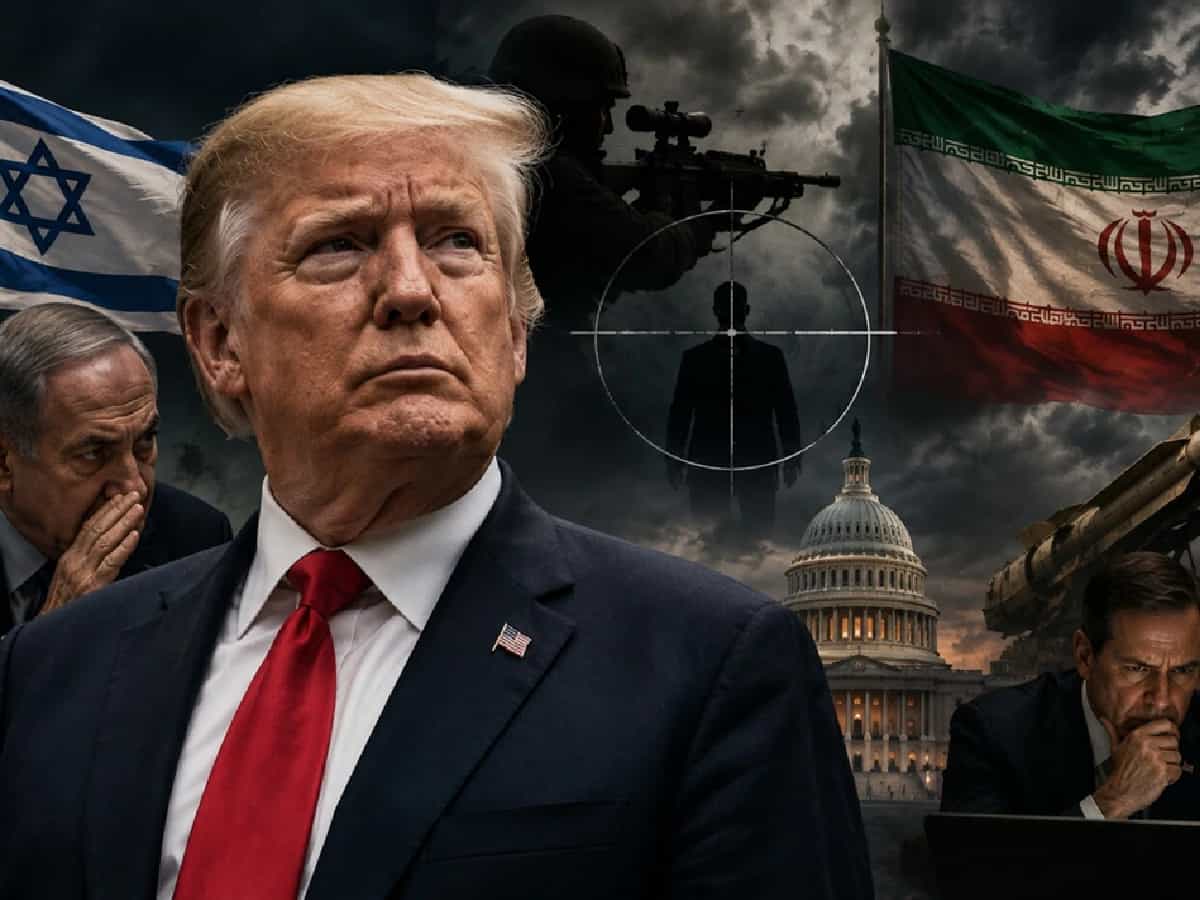
The international intelligence landscape has become a theater of high-stakes diplomatic and security friction following alarming warnings from Israel regarding active threats to United States President Donald Trump. As security agencies navigate volatile geopolitical fault lines involving Iran, conflicting threat assessments have exposed a rare rift between Washington and Jerusalem. While Israeli intelligence agencies have repeatedly alerted the White House to sophisticated assassination plots ranging from missile strikes to sniper attacks, American intelligence bodies, including the CIA, have expressed deep skepticism, leaving security officials grappling with how to balance extreme protective measures against unverified intelligence inputs.
Israel's Urgent Warnings and the Dramatic Secret Evacuation in Turkey
The covert friction between allied intelligence apparatuses came to a head during high-profile international engagements, most notably at the NATO summit hosted in Turkey in July. According to security reports, Israeli intelligence dispatched an urgent, direct alert to the White House warning that Iranian operatives might target President Trump using shoulder-launched missiles as he boarded Air Force One. Despite domestic skepticism from US intelligence analysts and contradictory findings by Turkish security agencies—which investigated the claims and reported finding no corroborating evidence of a planned strike—the US Secret Service refused to take chances. In a secretive and highly coordinated operation, Trump was quietly evacuated from Air Force One and transferred to an alternate aircraft, while other unverified accounts suggest he was moved under heavy security disguise.
Why the CIA Maintains Low Confidence in Israeli Intelligence Inputs
The fundamental divergence in threat evaluation stems from differing methodologies, strategic priorities, and historical intelligence assessments between the two nations. While Washington acknowledges that Tehran continues to harbor deep animosity and seeks retaliation against Trump following the 2020 targeted elimination of Iranian commander Qasem Soleimani, US officials remain cautious. According to insights published by Reuters citing senior American officials, the CIA currently holds "low confidence" in specific Israeli threat briefings regarding these alleged plots, citing an inability to independently verify the intelligence through independent channels. This analytical gap mirrors previous disagreements, such as conflicting intelligence estimates regarding the pace and active development of Iran's nuclear weapons program earlier in the year.
Geopolitical Ramifications and Ongoing Security Protocols
As security agencies continue to monitor potential transnational threats, the ongoing debate over intelligence credibility underscores the immense challenges of protecting high-profile global leaders in an era of asymmetric warfare. Even as Turkish intelligence officials dismissed the specific Turkey-visit threat warnings as unsubstantiated, the US Secret Service maintains an unyielding security posture, treating every potential lead with maximum seriousness. The complex interplay between Israeli warnings, American intelligence verification protocols, and regional tensions with Iran highlights a delicate balancing act where geopolitical survival and preventive caution must constantly contend with the realities of intelligence gathering.