







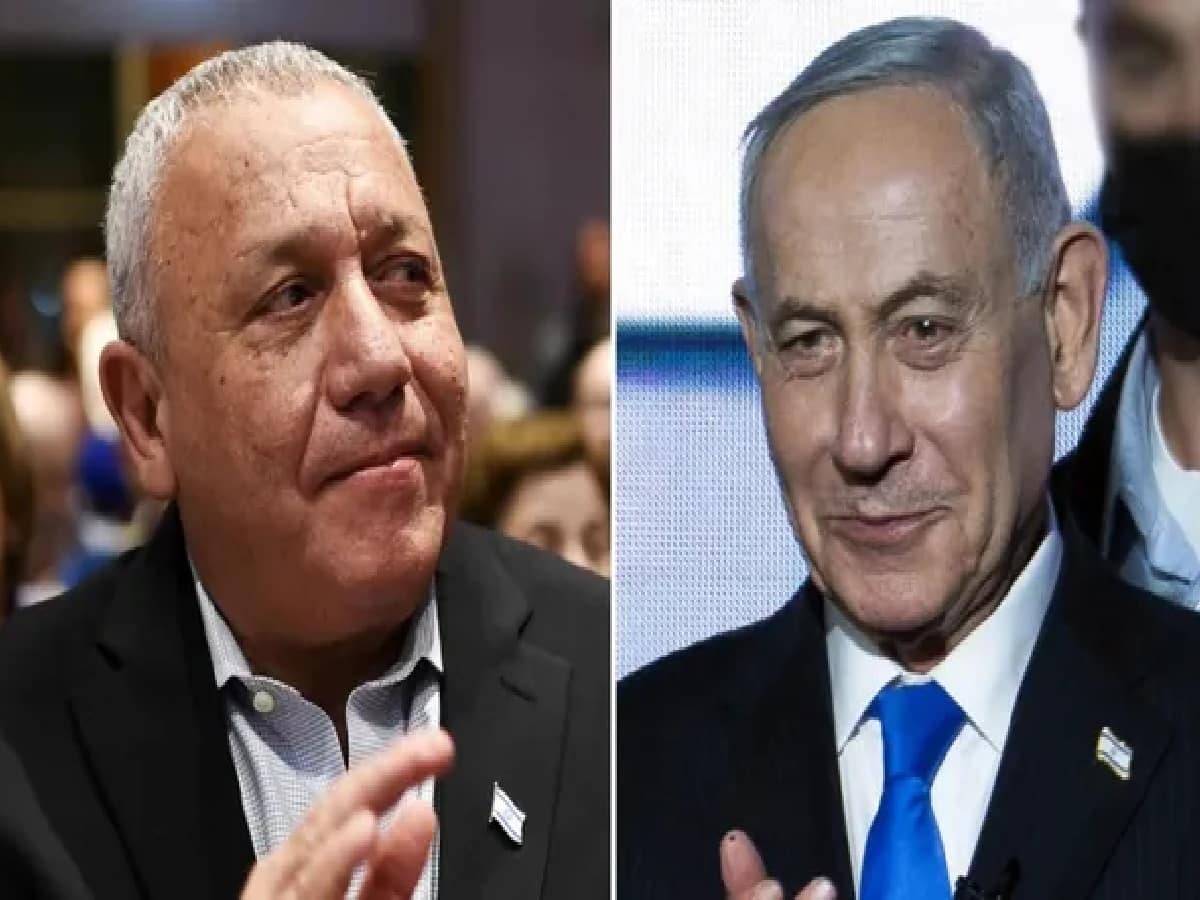
Israel Coalition Push: Eisenkot Invites Netanyahu's Likud to Marathon Talks
Efforts to break Israel's post-election political deadlock entered an intensive new phase this weekend as Gadi Eisenkot—the former Israel Defense Forces chief of staff and leader of the Yashar party tasked with assembling the country's next ruling coalition—formally invited caretaker Prime Minister Benjamin Netanyahu's right-wing Likud party to a marathon round of coalition negotiations. Reported across international diplomatic desks on Sunday, November 22, 2026, following Yashar's announcement on Saturday evening, the move represents a bold diplomatic gambit to construct a broad-based government before Eisenkot's 28-day presidential mandate expires on December 6, 2026 (subject to a possible 14-day extension by President Isaac Herzog). Tasked by President Herzog on November 8 after winning endorsements from 67 lawmakers in the 120-seat Knesset following the inconclusive October 27, 2026 legislative election—where Likud won 27 seats, Yashar 21, Naftali Bennett and Yair Lapid's Beyahad (Together) alliance 12, the Joint List 11, The Democrats 8, Ra'am 8, Yisrael Beiteinu 7, Otzma Yehudit 7, United Torah Judaism 7, Shas 6, and RZP–Zehut 6—Eisenkot directed Yashar's negotiating team on Saturday to pursue "bold initiatives" and leave no stone unturned toward a broad unity administration. Shortly afterward, Beyahad co-leader and former Prime Minister Naftali Bennett voiced strong backing for exploring a unity arrangement with Likud—insisting that no effort should be spared to establish a government headed by Eisenkot, while firmly ruling out Netanyahu serving as prime minister or any personal defection. At the same time, The Democrats chairman Yair Golan stated he would not block a coalition that includes ultra-Orthodox parties (Shas and United Torah Judaism)—even while rejecting any "fake unity government" that keeps Netanyahu in power. Yet formidable obstacles remain: Likud responded on Saturday with sweeping preconditions—including demanding that Netanyahu remain sole prime minister for four years without rotation, excluding Arab-majority parties, and retaining far-right Otzma Yehudit—fueling warnings from political analysts that Likud may seek to stall negotiations until Eisenkot's December clock runs out. For foreign policy watchers, diaspora readers, and citizens across Jerusalem, Tel Aviv, New Delhi, Mumbai, Unnao, and Lucknow, the coming week in the Knesset will decide whether Israel achieves a broad emergency coalition or pivots toward a minority government.
Israel Government Formation (Nov 2026): Knesset Math, Party Stands & Rival Conditions
To bring together the post-October 27 Knesset seat distribution, the competing positions of Gadi Eisenkot (Yashar), Benjamin Netanyahu (Likud), Naftali Bennett (Beyahad), and Yair Golan (The Democrats), and the timeline governing Israel's coalition talks, the tables below summarize the verified facts:
Key Political Developments & Timeline in Israel's Coalition Negotiations
| Parameter / Milestone | Verified Details (Nov 2026) | Strategic Impact on Government Formation |
| Knesset Seat Arithmetic (Oct 27 Election) | 120 total seats (61 needed for majority): Likud (27), Yashar (21), Beyahad/Together (12), Joint List (11), Democrats (8), Ra'am (8), Yisrael Beiteinu (7), Otzma Yehudit (7), UTJ (7), Shas (6), RZP–Zehut (6). | Neither Netanyahu's outgoing coalition nor the anti-Netanyahu bloc secured a straightforward 61-seat Jewish-majority bloc without cross-aisle deals. |
| Eisenkot's Mandate & Deadline | Mandated by President Isaac Herzog on Nov 8, 2026 (backed by 67 MKs vs. 46 for Netanyahu). Initial 28-day deadline expires December 6, 2026 (extendable up to 14 days). | Gives Eisenkot roughly two weeks before the initial deadline to test unity talks with Likud, Haredi parties, or a minority parliamentary vote. |
| Yashar's Invitation to Likud (Nov 21–22) | Eisenkot instructed Yashar's negotiating team to invite Likud to a marathon round of talks following an inconclusive initial meeting on Nov 15. | Aims to test whether Likud will join a broad unity government under Eisenkot's premiership or expose Likud as obstructionist. |
| Bennett & Golan's Signals | Naftali Bennett (Beyahad) backed pursuing a unity government led by Eisenkot (ruling out Netanyahu as PM); Yair Golan (Democrats) said he will not oppose a coalition including ultra-Orthodox parties. | Widens Eisenkot's maneuvering room across center-right and center-left partners while keeping pressure on Netanyahu. |
Core Demands & Red Lines: Eisenkot's Camp vs. Netanyahu's Likud
| Issue | Gadi Eisenkot & Change-Bloc Position | Benjamin Netanyahu & Likud's Conditions |
| Who Serves as Prime Minister | Gadi Eisenkot serves as sole prime minister; no rotation agreement with Netanyahu and no government led by Netanyahu. | Demanded Netanyahu serve as sole prime minister for four years with no rotation framework. |
| Coalition Composition | Seeking the broadest possible unity government—or parallel talks with ultra-Orthodox parties (UTJ/Shas)—with a minority government backed from outside by Ra'am/Joint List as fallback. | Demanded excluding Arab-led parties (Ra'am and Joint List) while insisting far-right Otzma Yehudit be included. |
| Strategic & Domestic Policy | Focused on a national emergency recovery agenda, consensus on Haredi military conscription, and ending prolonged political paralysis. | Required backing for military action against Iran, maintaining IDF zones in Gaza/Lebanon/Syria, rejecting Palestinian statehood, and keeping judicial overhaul laws intact. |
Why Naftali Bennett and Yair Golan's Moves Matter for Eisenkot's Math
Inside Israel's fragmented 26th Knesset, Gadi Eisenkot faces a delicate balancing act: Yisrael Beiteinu leader Avigdor Lieberman has refused to join any government dependent on Arab-majority parties (Ra'am and the Joint List), whereas left-wing Democrats leader Yair Golan had previously urged cooperation with Arab factions. By clarifying on Saturday that he will not block a coalition incorporating ultra-Orthodox parties—while ruling out propping up Netanyahu—Golan eased one major internal hurdle, just as Naftali Bennett's endorsement of unity talks under Eisenkot dispelled speculation following Bennett's midweek security-and-politics meeting with Netanyahu.
The Clock to December 6: Will Likud Negotiate Seriously or Run Down the Mandate?
Political commentators in Jerusalem warn that Likud's hardline counter-conditions—specifically insisting on a four-year Netanyahu premiership despite his ongoing corruption trial and lack of a 61-seat majority—could be designed to drag out marathon talks until Eisenkot's December 6 mandate lapses. Anticipating that risk, Eisenkot has signaled he will not let talks stall indefinitely and remains prepared to bring a minority national emergency government to a Knesset confidence vote if Likud refuses to compromise.




