







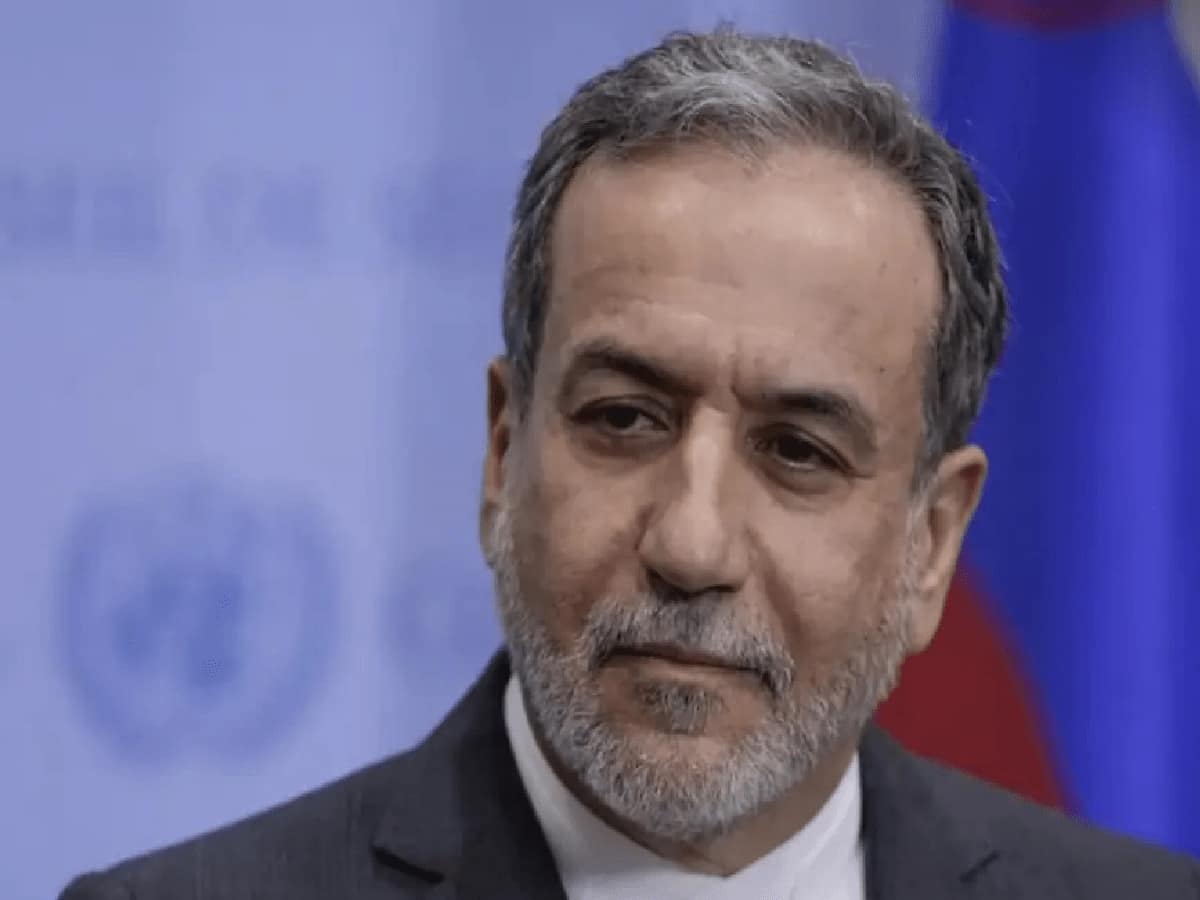
Iran Hands US '7-Day Plan' to Halt War and Resume Bilateral Talks
In a dramatic diplomatic overture aimed at breaking the military deadlock in West Asia, Iranian Foreign Minister Abbas Araghchi announced that Tehran has formally submitted a structured "seven-day roadmap" to the United States to de-escalate hostilities and end the ongoing conflict. Under the conditional proposal, the vital maritime chokepoint of the Strait of Hormuz—the artery for a significant portion of the world's seaborne petroleum flows—could be reopened to commercial transit on the sixth day, paving the way for direct bilateral negotiations to formally resume on the seventh day. While confirming that Washington has communicated its preliminary perspectives for Iranian evaluation, Araghchi cast skepticism over American diplomatic sincerity, reiterating that Tehran will refuse to surrender sovereign rights under economic warfare and armed intimidation.
The 7-Day Roadmap: Reopening the Strait of Hormuz on Day Six
Tehran’s newly tabled framework links maritime freedom of navigation directly to compliance with key sovereign terms:
-
Clear Blueprint Handed to Washington: Speaking via Iranian state broadcaster Press TV, Foreign Minister Abbas Araghchi stated: "Iran's position is completely clear and has been presented to the US side in the form of a seven-day plan. The US side has also expressed its views, which we are currently reviewing."
-
Day-Six Hormuz Reopening Clause: Outlining the timeline, Araghchi stated that if Washington meets Iran's core preconditions, the operational blockade on the Strait of Hormuz would be lifted as scheduled on the sixth day, immediately defusing global maritime shipping and insurance crises.
-
Resumption of Talks on Day Seven: The seventh day of the proposal sets the stage for a formal return to the negotiating table between Iranian and American envoys to address broader regional stabilization frameworks.
-
Skepticism Over White House Sincerity: Expressing reservations about American intent, Araghchi noted: "If there were true sincerity on the part of the US side, which there isn't, this would clear the way forward."
Baghdad OIC Denunciation: Araghchi Slams US for 'Economic War and Aggression'
The announcement follows a fiery address delivered by Araghchi before regional foreign ministers gathered in Iraq:
-
Speech at OIC Ministerial Council: Speaking before the Council of Foreign Ministers of the Organization of Islamic Cooperation (OIC) in Baghdad, the top Iranian diplomat accused Washington of abandoning peaceful mechanisms in favor of unilateral coercion.
-
Violations of International Law: Quoting reports from Al Jazeera, Araghchi remarked: "America has chosen the path of aggression, threats, killings, and economic war instead of diplomacy, which is a blatant violation of international law and the United Nations (UN) Charter."
-
Solidarity and Sovereignty: The minister urged Islamic nations to reject military unilateralism, maintaining that escalating sanctions regimes and strikes threaten overall West Asian infrastructure and regional sovereignty.
Red Lines and Negotiations: 'Tehran Will Not Bow to Coercion'
Araghchi reiterated Iran’s diplomatic red lines while maintaining that a peaceful pathway remains accessible on reciprocal terms:
-
Rejection of Coercive Pressure: Emphasizing Tehran's stance against ultimatums, Araghchi declared: "Iran will not accept any form of intimidation, conspiracy, or pressure, nor will it surrender its sovereign rights under duress."
-
Framework for Constructive Dialogue: The Foreign Minister reaffirmed that Iran stands prepared to engage in comprehensive negotiations, provided discussions are conducted strictly on the basis of mutual respect, reciprocal trust, and legally binding guarantees.
-
High-Stakes Ball in Washington’s Court: With global energy markets sensitive to Gulf shipping routes and maritime stability hanging in the balance, international observers are watching the White House’s counter-proposals to determine if the 7-day de-escalation plan can avert wider regional confrontation.




