







Iran Fires Ballistic Missiles at US Base in Jordan After American Military Destroys Five Iranian Oil Tankers
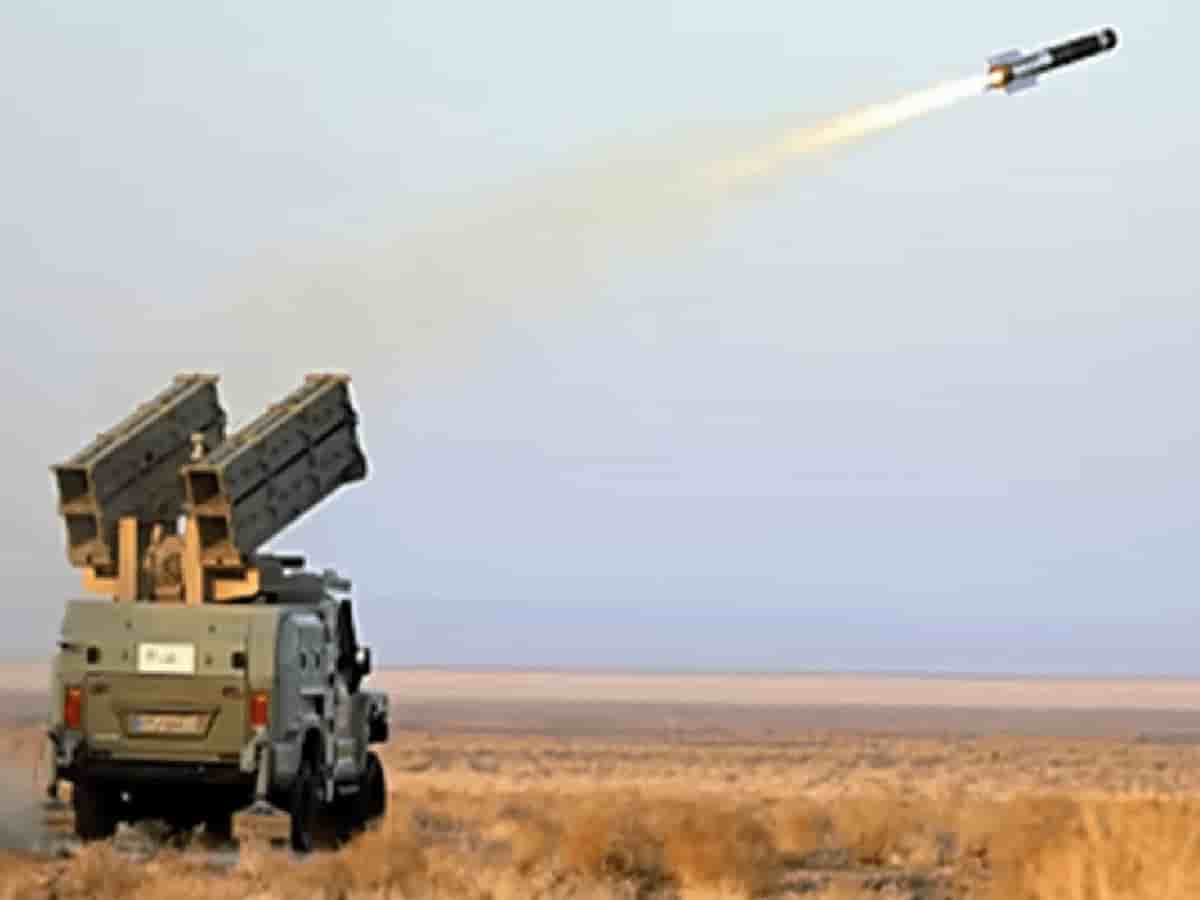
The military conflict in West Asia has escalated dangerously following a retaliatory ballistic missile strike launched by Iran targeting United States military installations in Jordan. According to reports from regional media and state agencies, the latest missile barrage was directed at the Muwaffaq Salti Air Base, a critical operational and logistical hub utilized by American forces in the region. The aggressive move by Tehran came in immediate response to a major military operation executed by the United States Central Command (CENTCOM), which successfully destroyed five Iranian crude oil tankers following separate attempted missile attacks on an American Navy warship in regional waters.
Jordan Air Defense Intercepts 18 Out of 20 Incoming Missiles With No Casualties Reported
Confirming the scope of the aerial assault, the Jordanian Armed Forces announced that their advanced air-defense systems successfully intercepted and neutralized 18 out of the 20 incoming ballistic missiles fired toward the kingdom. The remaining two projectiles landed safely in unpopulated areas, ensuring that no human casualties or structural injuries occurred during the incident. While regional authorities remain on high alert, American military officials have yet to release comprehensive disclosures regarding whether any specific US assets stationed at the Jordanian air base sustained damage during the barrage.
US Central Command Targets Iran's Shadow Fleet Near Kharg Island and Gulf of Oman
The spiraling confrontation was initially triggered when US military forces launched precision strikes destroying five Iranian oil tankers identified as M/T Kaviz, M/T Charminar, M/T Horizon 1, M/T Riesco, and M/T Derya. Four of these vessels were struck in the Gulf of Oman, while the fifth was neutralized near Iran's vital Kharg Island export terminal. US forces instructed vessel crews to abandon ship prior to the engagement. CENTCOM emphasized that the targeted carriers formed part of a multibillion-dollar clandestine shadow network utilized by the Islamic Revolutionary Guard Corps (IRGC) to finance regional proxy activities and evade international economic sanctions.
Strategic Choke Points: Strait of Hormuz and Jordan Become Central Theaters of War
As naval blockades tighten and military operations increasingly focus on crippling Iran's petroleum export infrastructure, the Strait of Hormuz has emerged as the primary flashpoint for global energy security. Simultaneously, Jordan's vital geographical positioning and its close military alliance with Washington have thrust the kingdom into the center of the broader geopolitical confrontation. Despite maintaining a non-belligerent stance, Amman continues to face secondary security risks as regional actors trade strikes across Middle Eastern airspace.


