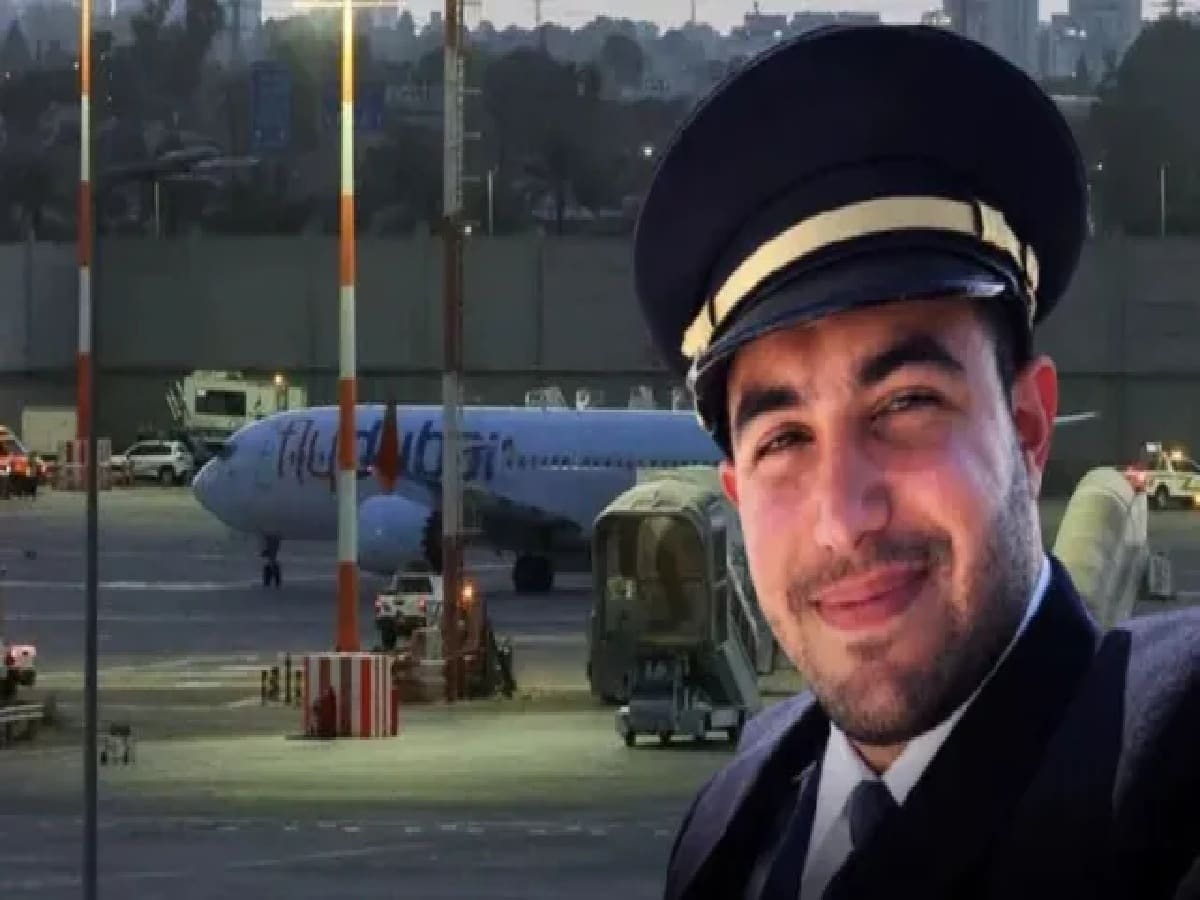
How Israel Narrowly Escaped a 9/11-Style Attack in Flydubai Plot
An in-depth multi-agency investigation has exposed an alarming series of cross-border security failures across Oman, the United Arab Emirates, and Israel that enabled radicalized co-pilot Humam al-Hammami to seize control of a commercial flight. According to detailed findings published by The Wall Street Journal, the cascading breakdowns allowed a compromised pilot with documented extremist ties directly into the cockpit of Flydubai Flight 1073. Counter-terrorism analysts warn that this critical breakdown came perilously close to causing a catastrophic, 9/11-scale terror attack over populated urban sectors in Tel Aviv, exposing structural loopholes in international aviation security.
The Oman Genesis: Radicalization Tracked, Grounding Enacted, but Data Concealed
The systemic failure began in Muscat, Oman, where national security monitors investigated al-Hammami's digital footprint and discovered deep involvement with extremist propaganda. Concluding that he represented an unacceptable security hazard to civilian flights, state-owned flag carrier Oman Air revoked his cockpit clearance, reassigned him to an administrative desk position, and placed him in an internal rehabilitation program. Crucially, Omani authorities never formally revoked his commercial pilot license nor broadcasted his radicalization profile to regional aviation databases. When al-Hammami sought employment with Flydubai in February, the UAE carrier conducted basic criminal background checks but bypassed direct outreach to Omani regulators. Because his civil aviation certification remained officially active without warning flags, he was subsequently rostered on the sensitive Dubai–Tel Aviv corridor, operating the route multiple times without detection.
Institutional Blind Spots in Tel Aviv: Unchecked Manifests and Unused Intelligence Databases
The final line of defense crumbled within Israel's own regulatory apparatus. Although Flydubai submitted the mandatory passenger and crew manifest for Flight 1073 ahead of time, Israeli administrative bodies failed to act on the information. Israel's Ministry of Transport stated that it lacked the specialized capabilities or clear authority to screen foreign flight crews. Shockingly, transport officials admitted they had never requested access to a classified cross-agency surveillance database established in 2023 specifically to track high-risk aviation personnel, primarily because ministry leadership was unaware the repository existed. In addition, basic diplomatic protocols were ignored: airmen holding passports from nations without formal diplomatic ties to Israel, such as Oman, are strictly prohibited from flying into Israeli airspace, yet al-Hammami passed through unhindered.
Unheeded Internal Audits: Lone Wolf Investigation Continues Across Tel Aviv, Dubai, and Riyadh
The security collapse validated severe internal warnings delivered two years earlier. In May 2024, Israel's Comptroller General issued a confidential audit warning that civil aviation defenses were plagued by fragmented jurisdictional responsibilities, personnel shortages, and acute budget deficits within the Ministry of Transport. With the UAE Attorney General formally classifying the incident as an attempted terrorist attack, trilateral counter-terrorism inquiries involving intelligence services in Israel, the UAE, and Saudi Arabia are analyzing whether al-Hammami acted as a lone actor. Preliminary forensic sweeps have uncovered no active command-and-control links to known transnational terror groups or state-sponsored networks, shifting primary global scrutiny toward patching the cross-border intelligence gaps that nearly triggered an aviation catastrophe.