







France in Turmoil: School Crises Exploded into Riots Amid a Web of Online Lies
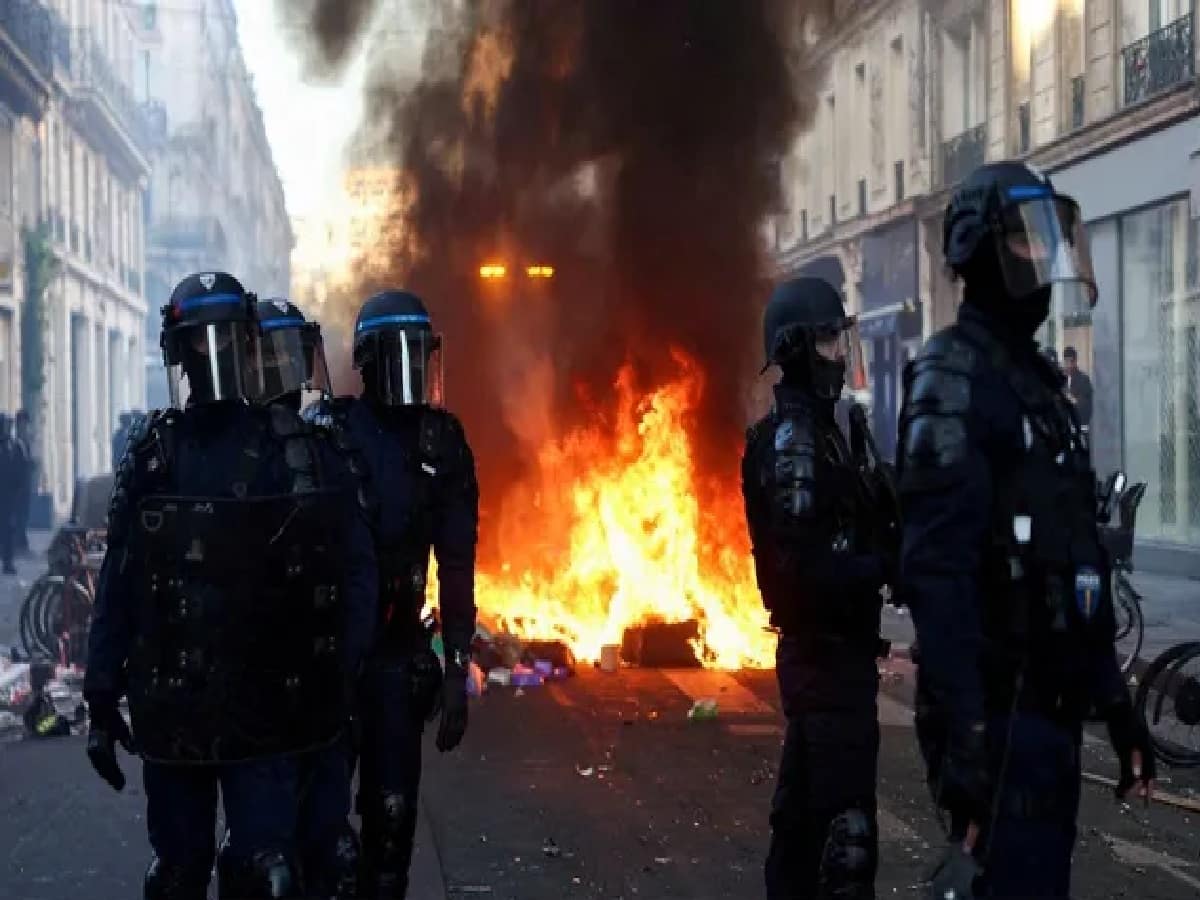
From demonstrators marching through historic boulevards in Napoleon-era regalia to organized mobs ransacking luxury flagship boutiques such as Dior, France is reeling under its most turbulent civil crisis in recent memory. What began as peaceful, student-led walkouts has rapidly descended into widespread metropolitan chaos, marked by urban vandalism, targeted arson, and pitched battles between radical demonstrators and riot police across major urban centers. In the central city of Limoges, roughly 400 kilometers south of Paris, rioters torched the city's 140-year-old historic town hall, sending flames tearing through architectural heritage. Across the country, hundreds of police personnel have sustained injuries while specialized security units have detained approximately 1,800 individuals. In tourist hubs, international visitors were seen scrambling through streets with luggage amid plumes of tear gas, prompting French President Emmanuel Macron to issue an unyielding condemnation, declaring that lawless violence has no place within the French Republic and vowing that those targeting public infrastructure and civic institutions will face uncompromising criminal prosecution.
The Grassroots Spark: Dilapidated Classrooms, Severe Staff Shortages, and Crushing Inflation
Beneath the sensational images of burning barricades lies a deep-rooted domestic grievance that first mobilized thousands of young citizens. The movement was ignited by high school and college students protesting against decaying educational infrastructure, severely overcrowded classrooms, an acute national shortage of teachers, and the suffocating impact of rapid inflation on student living standards. First surfacing in the working-class suburbs of Paris, the outcry quickly resonated across France’s regional economic powerhouses, mobilizing massive student walkouts in Marseille, Bordeaux, Lyon, Nice, and Strasbourg. As daily financial pressures mounted on working families, the youth movement transformed into a broad-based civic coalition joined by teachers, parents, university faculties, and major trade unions. However, as trade union marches swelled, opportunistic anti-social groups and extremist factions infiltrated the demonstrations, turning legitimate policy grievances into nocturnal sprees of property destruction and looting that overshadowed the original educational demands.
Weaponizing Unrest: Debunking Viral Disinformation and Politicized Narratives
As the unrest intensified on the ground, an equally aggressive information war erupted across global digital networks, where international right-wing figures and hyper-partisan influencers weaponized the chaos to advance preconceived political agendas. US President Donald Trump publicly attributed the unrest entirely to immigration policies, demanding that France enforce immediate border closures. Concurrently, online agitators including Alex Jones and Tommy Robinson circulated out-of-context video archives, branding the civil friction as an "anti-white insurrection" and an coordinated "Islamic uprising." Fact-checking verifications swiftly dismantled several of these viral claims, revealing that a widely shared clip showing a burning passenger bus was actually footage from an unrelated school bus fire that occurred in the southern French city of Nîmes back in 2022. Similar unverified fabrications alleging coordinated physical attacks on Catholic clergy and deceased bodies left abandoned in city squares spread unchecked across algorithmic feeds, deliberately diverting public attention from the core socio-economic and institutional failures driving the demonstrations.
A Legacy of Defiance: How French Street Resistance Shapes Republic Politics
The explosive eruption across French cities reflects a centuries-old cultural tradition where direct street mobilization serves as the historical counterweight to executive authority. Since the Jacquerie peasant revolt of 1358 against feudal taxation, the ethos of mass resistance has been embedded in the French collective consciousness, later giving rise to the seminal French Revolution of 1789 that dismantled the ancient monarchy to construct the modern republic. Subsequent civic uprisings in 1830, 1848, and the revolutionary Paris Commune of 1871 further cemented the street as a legitimate arena for securing civil liberties. Contemporary student demonstrators draw immediate inspiration from the historic May 1968 student revolt that paralyzed the state apparatus and reshaped French social conventions, as well as the 2018 Yellow Vest (Gilets Jaunes) movement sparked by fuel taxation and cost-of-living disparities. When standard legislative and administrative channels appear unresponsive to everyday socio-economic distress, taking to the boulevards remains France’s definitive historical reflex to challenge governance and demand systemic accountability.




