







EU Boosts Arctic Defense Amid Russia Rift: What It Means for India
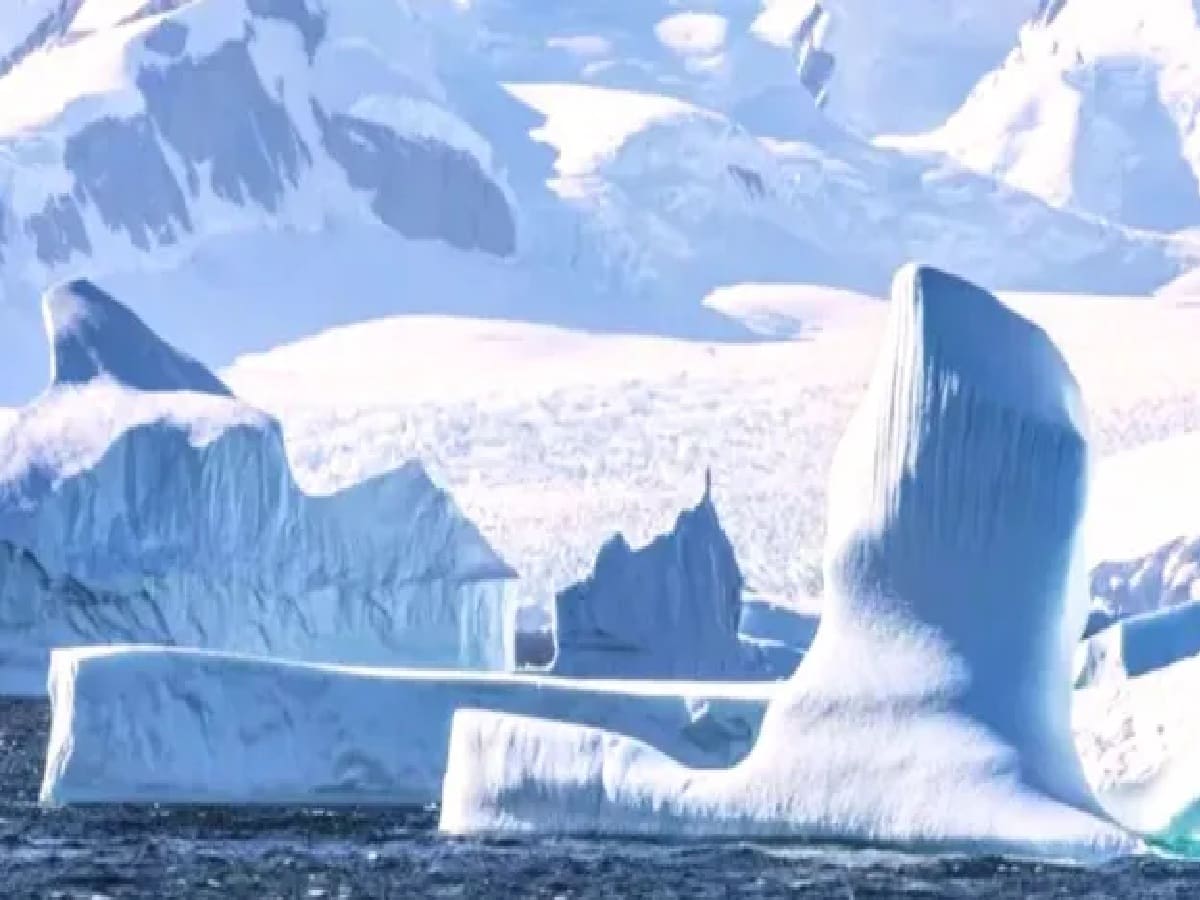
Responding to accelerated polar ice melt and escalating geopolitical rivalries with Moscow, the European Union is significantly upgrading its security presence and surveillance posture across the Arctic region under a comprehensive new strategic roadmap. With the Arctic warming approximately four times faster than the global average, retreating sea ice is rapidly unlocking shorter maritime transit corridors between Europe and Asia while transforming the frozen expanse into a contested frontier of international trade and power projection. Under its renewed policy framework, the 27-nation bloc is prioritizing the protection of critical undersea communication cables, offshore energy pipelines, and enhanced space-based satellite surveillance, with plans underway to establish dedicated regional monitoring centers. However, this strategic re-militarization is generating far-reaching ripple effects well beyond the polar circle, prompting sharp strategic and economic attention from New Delhi.
Melting Sea Ice and the Post-Ukraine Fracturing of Polar Cooperation
The European Union's heightened vigilance is driven by the structural breakdown of multilateral polar governance following Russia's invasion of Ukraine. According to insights from the European Parliamentary Research Service (EPRS), the conflict has severely fractured longstanding regional collaboration and eroded mutual confidence among Arctic states, effectively stalling scientific and security partnerships. At the same time, unprecedented commercial traffic along thawing northern sea passages has elevated maritime risks, creating vulnerabilities around vital digital and energy arteries beneath polar waters. To prevent strategic blind spots, the EU is moving to deploy robust deterrence mechanisms against foreign sabotage and hybrid warfare, treating the high north as an indispensable flank of broader European defense.
Why India Is Alert: Polar Connections to Monsoons, Russian LNG, and Svalbard Research
The shifting balance of power in the Arctic carries profound ecological, energy, and economic implications for India, which formalized its strategic outlook under the comprehensive 2022 Arctic Policy. Indian climate scientists have long established that polar atmospheric and oceanic shifts directly influence the rhythm of the Indian monsoon system, bearing severe consequences for domestic water tables and national food security. Beyond climate science—anchored by ongoing research programs conducted from India’s polar research station in Svalbard, Norway—New Delhi has substantial economic stakes in the opening of northern sea corridors. As India explores importing liquefied natural gas (LNG) from Russia via northern polar shipping lanes to diversify energy supply chains and capitalize on shorter Europe-Asia transit lines, heightened military and security confrontations between Europe and Moscow threaten to complicate civilian navigation and regional supply stability.




