Donald Trump Win Nobel Peace Prize 2026, What Experts Say Ahead of October 9 Reveal
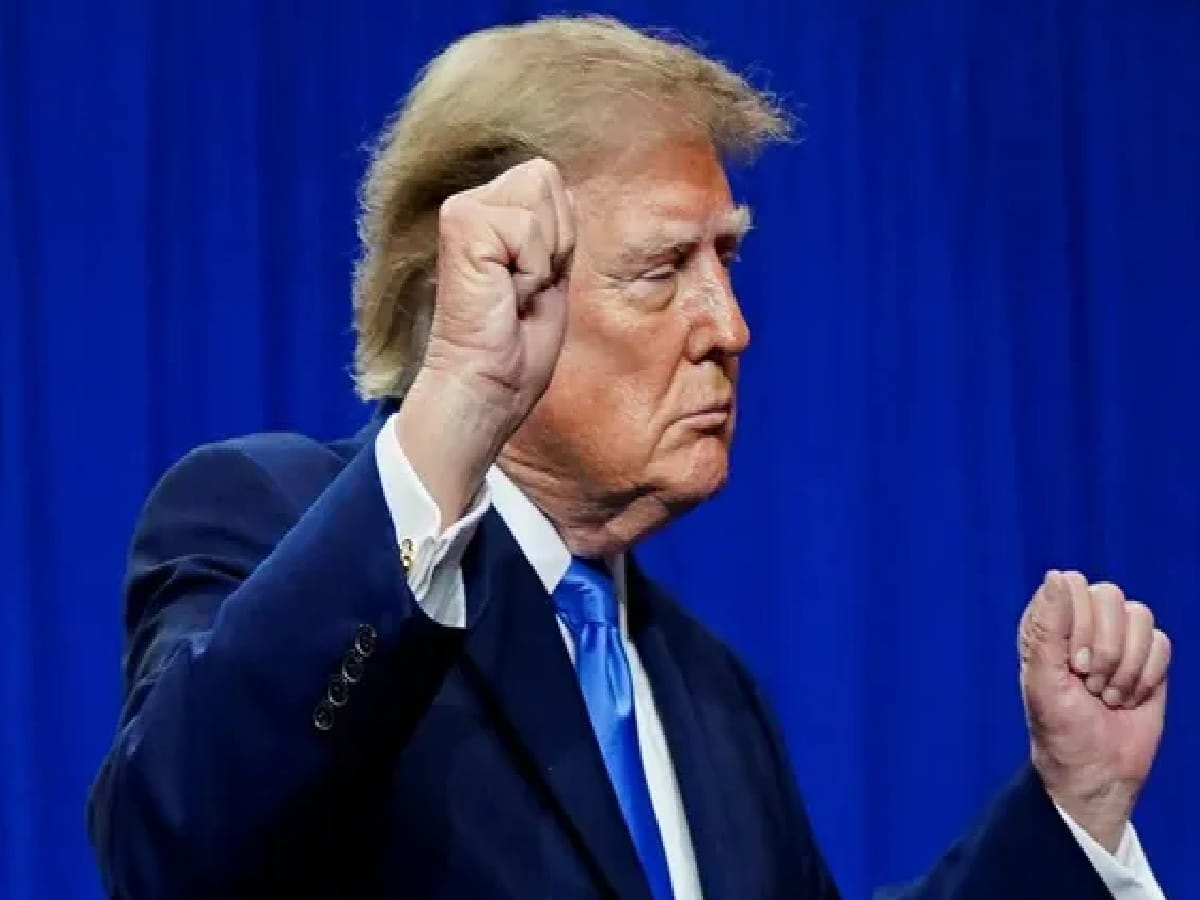
As the Norwegian Nobel Committee prepares to announce the 2026 Nobel Peace Prize laureate in Oslo on October 9, international foreign policy circles are assessing the candidacy of United States President Donald Trump. While Trump has maintained persistent lobbying for the prestigious accolade, seasoned geopolitical analysts and peace research monitors indicate his chances have dropped steeply following direct military confrontations involving Iran. Despite the dimming likelihood of an award, experts note that the five-member Norwegian selection committee cannot afford to disregard Trump’s towering footprint over global statecraft and multilateral alliances.
Echoes of Last Year: The Maria Corina Machado Medal Handover Controversy
The committee's deliberations are unfolding under the lingering shadow of the previous year’s award conferred upon Venezuelan democratic opposition leader Maria Corina Machado. Trump had vocally campaigned in support of Machado's candidacy; weeks after securing the honour, Machado presented her actual gold Nobel medal to Trump in a public bid to enlist American leverage for democratic transition in Venezuela. Haakon Gjerlov, acting director of the Peace Research Institute Oslo (PRIO), observed that the political spectacle of Machado’s gesture inevitably weighs on the panel’s collective thinking, forcing judges to evaluate whether selecting a figure vulnerable to executive coercion could compromise the integrity of the prize or subject the recipient to severe diplomatic retaliation.
Leading Frontrunners: Pope Leo, International Courts, and UN Rapporteurs
With the committee navigating intense global friction, several institutional and humanitarian contenders have emerged as prominent alternatives ahead of the Friday announcement:
-
Pope Leo: The first American-born pontiff has emerged as a formidable contender for his global advocacy of conflict de-escalation, his comprehensive encyclical on artificial intelligence ethics, and his protection of displaced migrants. Karim Haggag, director of the Stockholm International Peace Research Institute (SIPRI), noted that the pontiff has distinguished himself as a preeminent moral authority, especially after pushing back against Trump’s critique of Vatican anti-war appeals.
-
The ICJ and ICC: International judicial bodies—the International Court of Justice and the International Criminal Court—stand as leading institutional nominees amid global demands to re-anchor international legal accountability.
-
Francesca Albanese: The UN Special Rapporteur on the occupied Palestinian territories remains a prominent, albeit polarizing, nominee for her persistent documentation of civilian suffering in Gaza and the West Bank despite sharp pushback from Washington and Tel Aviv.
Defending Liberal Democracy: The Committee's Calculated Balancing Act
The severe volatility across modern geopolitical flashpoints has amplified demands on the Norwegian committee to deliver an unambiguous defense of international humanitarian norms. Historian Øyvind Stenersen highlighted that the Nobel body operates under immense international scrutiny to reaffirm multilateral frameworks in an era defined by unilateral executive disruptions. The committee faces the delicate challenge of either selecting a resolute defender of the rule of law to counter democratic erosion or choosing an uncontroversial humanitarian institution to avoid geopolitical polarization, setting up one of the most consequential Peace Prize announcements in recent memory.