Diplomatic Breakthrough or Escalation: Explosions Rock Strait of Hormuz During High-Stakes US-Iran
In a volatile intersection of diplomacy and military escalation, reports of fresh explosions near the vital Strait of Hormuz emerged just as Washington and Tehran held rare direct discussions on the sidelines of the United Nations General Assembly in New York. The tactical disruption highlights the fragile nature of ongoing peace maneuvers as the United States balances aggressive ultimatums with closed-door conflict negotiation.
Secret Three-Hour Diplomacy in Manhattan
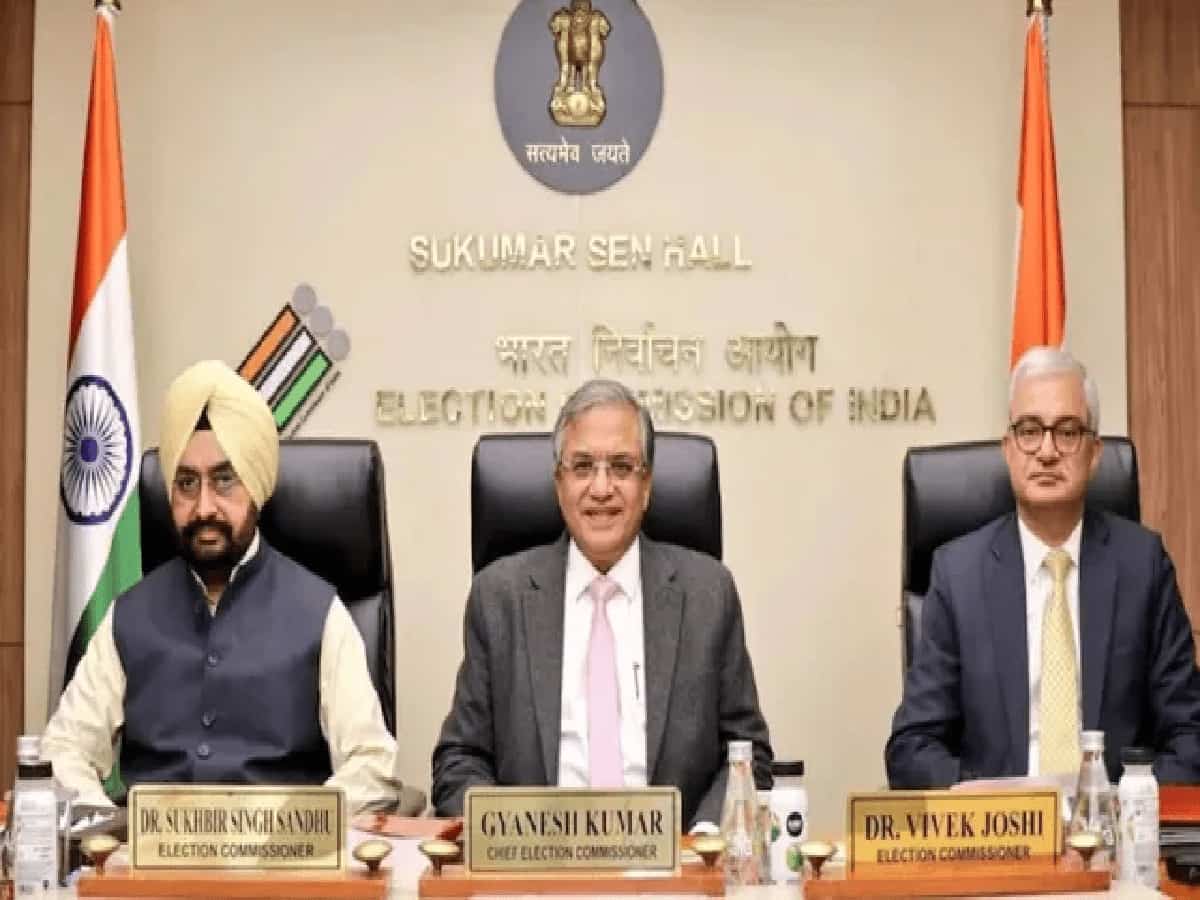
The unannounced diplomatic engagement unfolded during the annual gathering of world leaders at the UNGA, bringing American and Iranian representatives into direct communication after months of mounting hostility. US President Donald Trump confirmed that high-level envoys Steve Witkoff and Jared Kushner spent nearly three hours in intensive discussions with an Iranian delegation dispatched to Manhattan.
Trump characterized the marathon session as very productive, noting that additional rounds of talks are expected to follow shortly. While the US Commander-in-Chief acknowledged that Tehran did not deploy its highest-ranking officials, he emphasized that the engagement itself represents meaningful progress. Special envoy Steve Witkoff later clarified on social media platform X that the exchanges relied heavily on designated mediators shuttling between the American and Iranian delegations to maintain constructive momentum.
Blast Near Strategic Energy Chokepoint
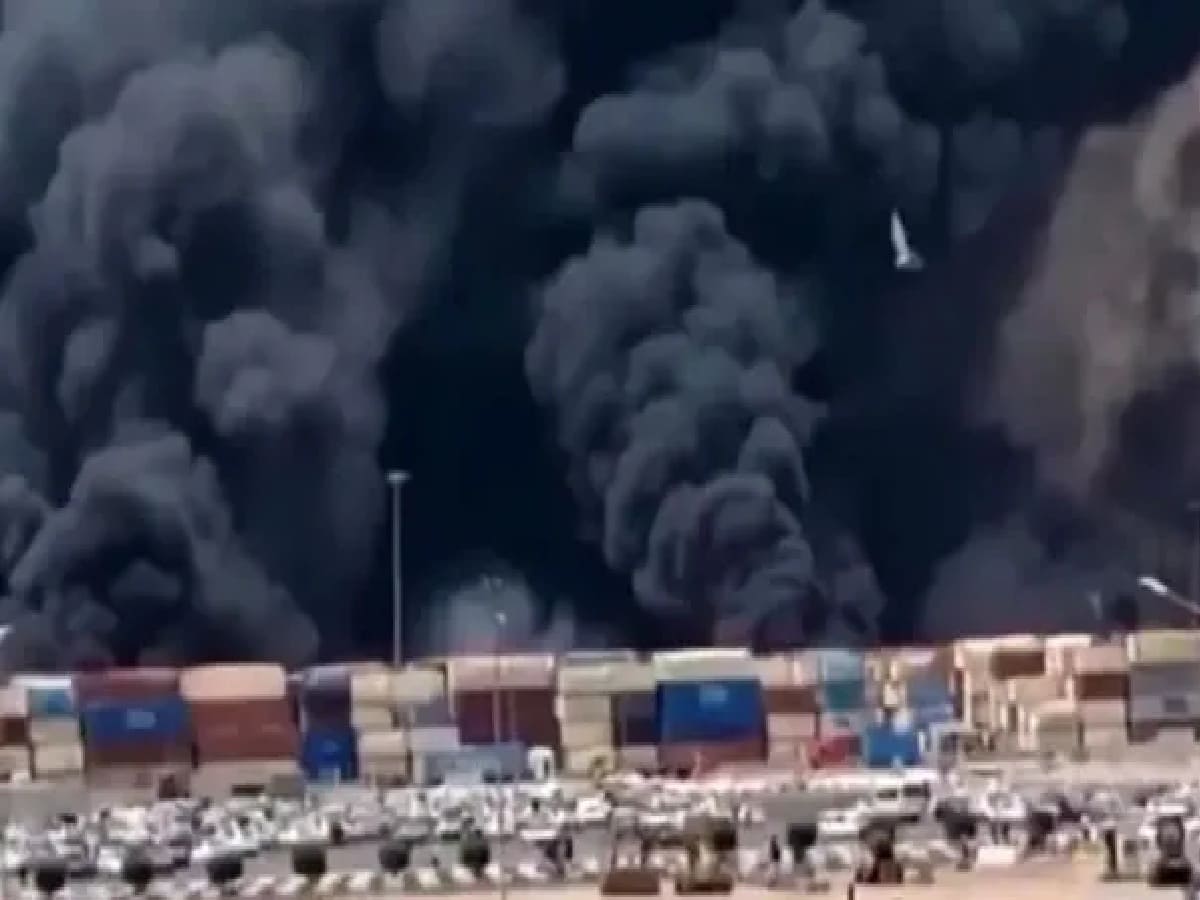
Just as the New York talks were framed as a potential off-ramp, Iranian state media reported a loud explosion near Qeshm Island, situated directly inside the strategically critical Strait of Hormuz. Iran’s state-run Islamic Republic News Agency (IRNA) acknowledged the detonation, indicating that damage assessments and verified details regarding the exact cause were still pending.
Qeshm Island and surrounding waterways have repeatedly been the focus of defensive alerts and cross-border incidents since joint US-Israeli military operations against Iranian targets commenced in February. The strategic waterway serves as the transit corridor for a significant portion of the world's seaborne petroleum supplies, making any localized kinetic action a major trigger for global shipping disruptions and international crude market volatility.
Seven Months of War and Economic Strain
The backdrop to these New York negotiations is a grinding, seven-month conflict that has drastically altered the security landscape of the Middle East. President Trump had issued stark warnings ahead of the UN meetings, declaring that the Islamic Republic faced total destruction unless a definitive framework to halt regional hostilities was rapidly agreed upon.
The ongoing military operations have severely strained the domestic Iranian economy, triggering a severe currency crisis, fuel distribution friction, and escalating inflation across major commercial hubs. As international mediators push to broker terms between Washington and Tehran, the simultaneous detonations along the Persian Gulf highlight how easily regional combat dynamics could upend negotiations at the United Nations.