Climate Compensation U-Turn: Nepal Foreign Minister Denies Demanding Money From India
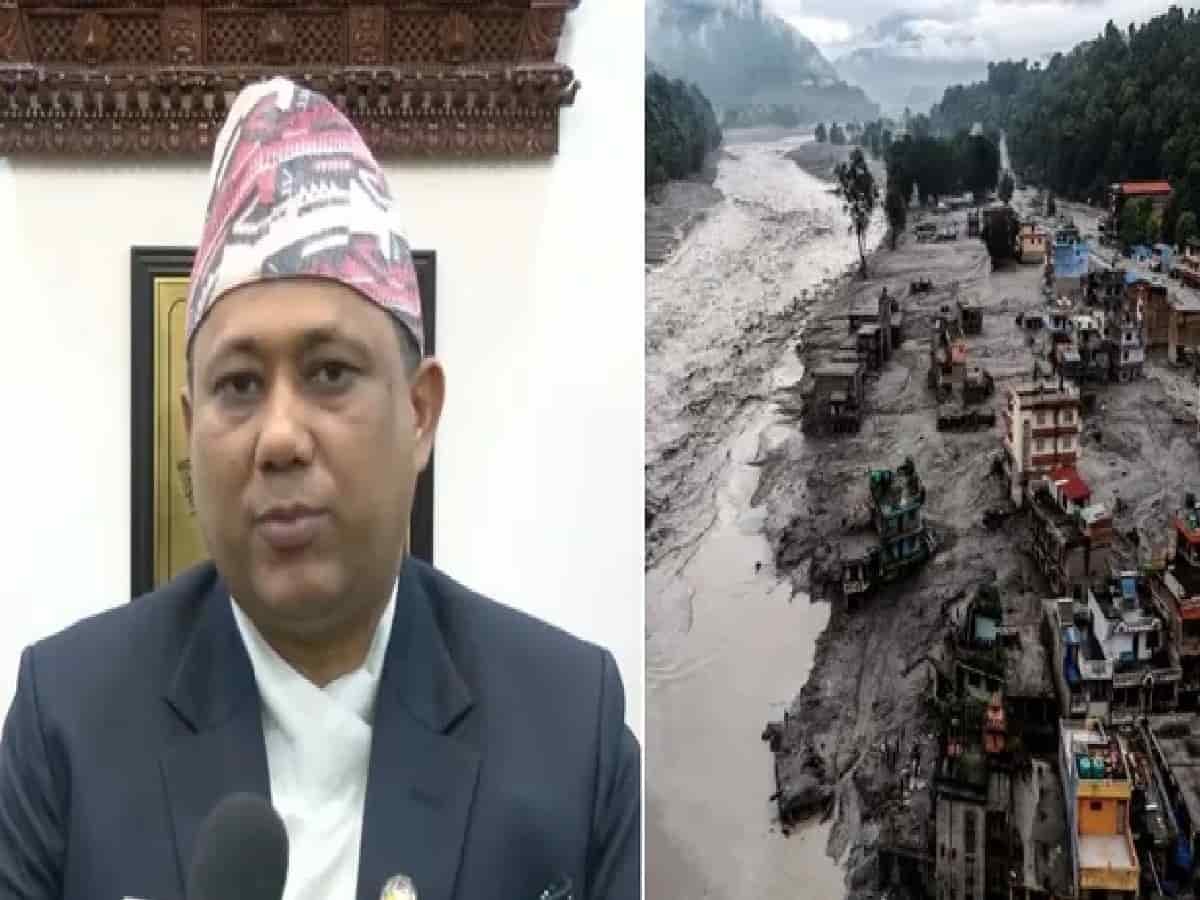
In a notable shift in diplomatic messaging, Nepal’s Foreign Minister Shishir Khanal has categorically rejected earlier reports suggesting that Kathmandu demanded formal climate compensation from India in the wake of recent catastrophic floods. Speaking to the news agency ANI, Minister Khanal clarified that neither he nor any official representative within the Ministry of Foreign Affairs or the broader Nepalese government has sought monetary compensation from India, China, or the United States. Instead, he emphasized that Nepal’s primary appeal to the international community is centered on fostering collective global cooperation to combat the escalating existential threat of climate change across the vulnerable Himalayan region.
The clarification addresses widespread speculation following initial media reports which incorrectly claimed that Nepal had pressed neighboring economic powerhouses for financial reparations. Khanal underscored that the Himalayan ecosystem is mutually shared and uniquely fragile, requiring collaborative regional resilience rather than financial disputes. By refocusing the narrative on shared environmental stewardship, Kathmandu aims to strengthen bilateral ties while seeking robust international backing for long-term disaster management and climate adaptation frameworks.
Shared Himalayan Ecosystems And The Need For Regional Environmental Cooperation
Elaborating on the ecological interdependencies of South Asia, Minister Khanal highlighted that India, China, and Nepal share strikingly similar geographical ecosystems and atmospheric patterns. Consequently, all three nations are concurrently bearing the severe brunt of erratic weather systems, rising global temperatures, and glacial melt driven by climate change. "We are all facing the adverse effects of climate change in the Himalayan region," Khanal stated, reiterating the urgent necessity for these neighboring countries to pool resources, share meteorological data, and enhance joint disaster preparedness mechanisms.
Furthermore, the Nepalese Foreign Minister urged the global community to look beyond immediate, short-term relief efforts when addressing South Asian natural disasters. He stressed that climate catastrophes should not be treated as isolated seasonal events, but rather as symptoms of a broader planetary crisis that disproportionately threatens small developing countries like Nepal. Long-term international support, green funding, and technical assistance are vital to build sustainable infrastructure capable of withstanding future extreme weather anomalies.
Gratitude For India’s Rapid Humanitarian Response And Ongoing Relief Support
Amidst active search, rescue, and rehabilitation operations across flood-devastated zones, Minister Khanal took the opportunity to formally express profound gratitude to the Government of India for its prompt humanitarian intervention. India was among the very first global partners to dispatch emergency relief supplies, advanced rescue equipment, modular bridges, and specialized water pumps to aid local authorities in mitigating the crisis.
Highlighting the deep-rooted diplomatic coordination between New Delhi and Kathmandu, Khanal noted that Indian officials maintained constant communication from the very onset of the disaster. He affirmed that India has consistently demonstrated readiness to meet every urgent requirement put forth by the Nepalese government. As rehabilitation efforts continue, this display of mutual solidarity reinforces the enduring bilateral partnership required to address both immediate humanitarian emergencies and long-term regional climate vulnerabilities.