







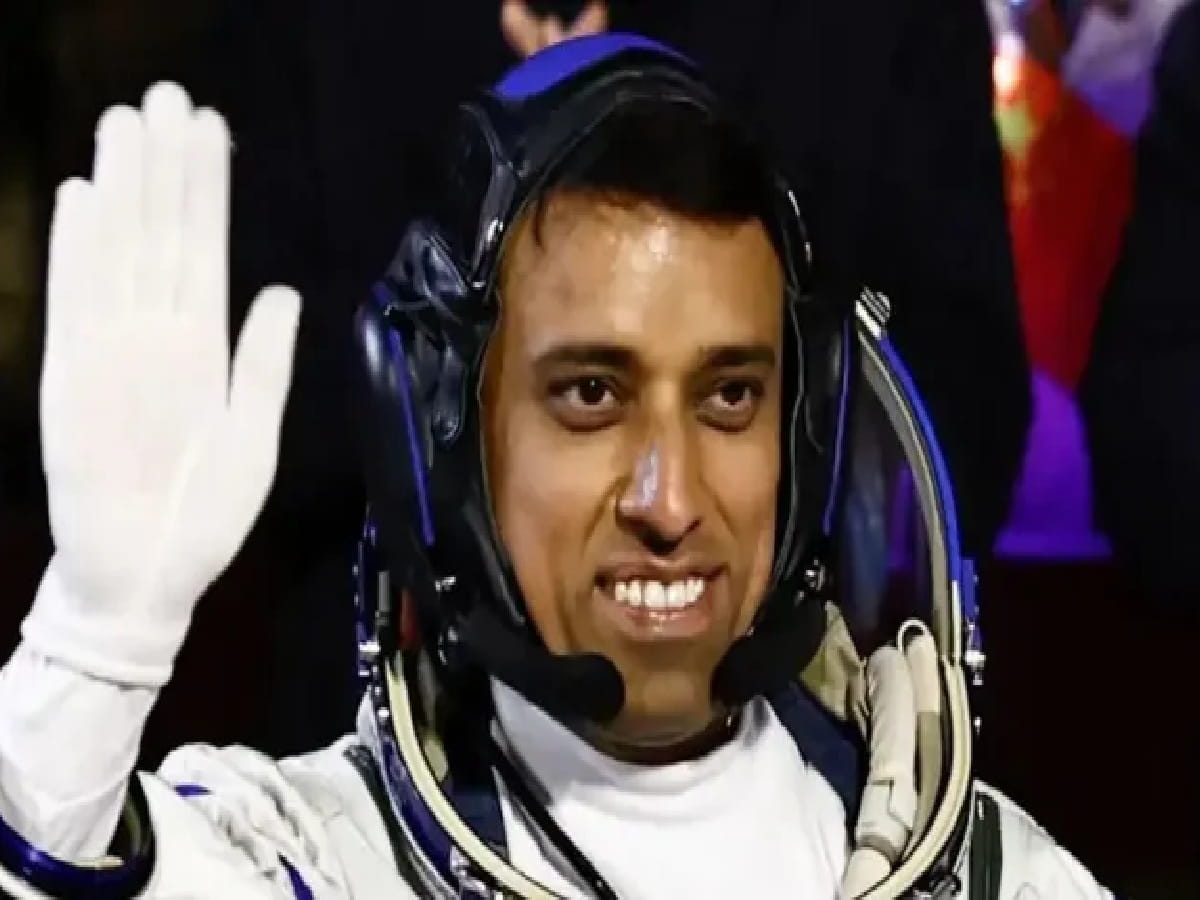
China Launches First Pakistani Astronaut to Tiangong on Shenzhou-24
Four decades after Indian Air Force Wing Commander Rakesh Sharma became South Asia's first citizen in orbit aboard the Soviet Soyuz T-11 mission in April 1984, Pakistan has sent its first astronaut into Earth orbit—and China has opened the doors of its Tiangong space station to an international crew member for the very first time. Highlighted across science and international desks on Wednesday, November 25, 2026, the Shenzhou-24 crewed spacecraft lifted off atop a Long March-2F carrier rocket from the Jiuquan Satellite Launch Centre in northwestern China's Gobi Desert at 5:48 AM IST (8:18 AM Beijing time / 5:18 AM PKT), with Beijing Aerospace Control Centre declaring the orbital insertion a complete success minutes later. Flying as payload specialist alongside mission commander Tang Hongbo (making his third trip to Tiangong) and flight engineer Wu Yi, 40-year-old Pakistan Air Force fighter pilot Muhammad Zeeshan Ali is scheduled to spend roughly a week conducting microgravity experiments and outreach aboard Tiangong before returning to Earth aboard the Shenzhou-23 spacecraft, while Tang and Wu remain on board for a six-month rotation. Unlike private adventurer Namira Saleem's brief suborbital Virgin Galactic flight in 2023, Zeeshan Ali's journey represents a formal, government-backed orbital spaceflight mission timed around the 75th anniversary of Pakistan-China diplomatic ties—drawing keen attention across New Delhi, Lucknow, Mumbai, Bengaluru, Islamabad, and Beijing as low-Earth orbit enters a new era of multi-station cooperation.
Shenzhou-24 & Pakistan's First Astronaut: Crew, Training & Historical Context
To bring together the verified flight details and crew roster of Shenzhou-24 launched on Wednesday, November 25, 2026, how Muhammad Zeeshan Ali was selected from roughly 200 applicants and trained in China, and how this flight compares with India's 1984 Rakesh Sharma milestone and upcoming Gaganyaan plans, the tables below organize the key facts:
Shenzhou-24 Mission & Crew Snapshot (November 25, 2026)
| Mission Parameter | Verified & Reported Details | Operational & Scientific Significance |
| Spacecraft & Rocket | Shenzhou-24 crewed spacecraft launched aboard a Long March-2F rocket from Jiuquan Satellite Launch Centre, northwest China. | First joint crewed spaceflight in the history of China's human spaceflight program involving a non-Chinese astronaut. |
| Liftoff Time | Wednesday, November 25, 2026, at 8:18 AM Beijing time (5:48 AM IST / 5:18 AM PKT), with docking at Tiangong planned roughly 3.5 hours later. | Marks China's transition of Tiangong ("Heavenly Palace") into an international orbital research platform. |
| Three-Member Crew | Tang Hongbo (Mission Commander, 3rd flight), Wu Yi (Flight Engineer, 1st flight), and Muhammad Zeeshan Ali (40, Pakistani Payload Specialist). | Tang and Wu stay for a six-month station rotation alongside Shenzhou-23's Zhu Yangzhu, while Ali conducts ~1 week of microgravity experiments and returns via Shenzhou-23. |
| Selection & Training | Selected from roughly 200 initial candidates down to two finalists—Muhammad Zeeshan Ali and Pakistan Army officer Khurram Dawood—followed by intensive training in China across spacecraft systems, emergency survival, experiment protocols, and Mandarin. | Final flight assignment was confirmed on November 24, one day prior to liftoff. |
South Asia in Orbit: Rakesh Sharma (1984) vs. Muhammad Zeeshan Ali (2026)
| Milestone Dimension | India — Rakesh Sharma (April 1984) | Pakistan — Muhammad Zeeshan Ali (November 2026) |
| Mission & Space Station | Flew aboard Soviet Soyuz T-11 to the Salyut 7 orbital space station in April 1984 for nearly eight days. | Flew aboard Chinese Shenzhou-24 to the Tiangong orbital space station on November 25, 2026 for a roughly one-week science stay. |
| Geopolitical & Space Era | Cold War-era Interkosmos cooperation with the Soviet Union, making India the first South Asian nation in orbit. | Contemporary low-Earth-orbit partnership with China on the 75th anniversary of bilateral relations, alongside independent programs like India's Gaganyaan human spaceflight push. |
Why Opening Tiangong to Foreign Crew Shifts Orbital Geopolitics
For decades, multinational orbital research centered almost exclusively on the International Space Station (ISS), from which China was excluded—prompting Beijing to build and complete its modular Tiangong station. With the ISS approaching the latter stretch of its operational lifespan, hosting Muhammad Zeeshan Ali aboard Shenzhou-24 signals Beijing's ambition to position Tiangong as an alternative destination for partner countries seeking microgravity research, payload slots, and astronaut flight opportunities without building independent human-rated rockets from scratch.
What to Watch Next During the Mission and Return
Over the coming week across Beijing, Islamabad, New Delhi, Lucknow, Mumbai, and Bengaluru, space watchers will follow Shenzhou-24's docking with Tiangong, live educational broadcasts and microgravity experiments conducted by Muhammad Zeeshan Ali, and his scheduled return landing aboard the Shenzhou-23 capsule at the conclusion of his short-duration orbital stay.




