China Bans Foreign Climbers from Mount Everest and Tibet Routes Following Fireworks Scandal and Permit Corruption
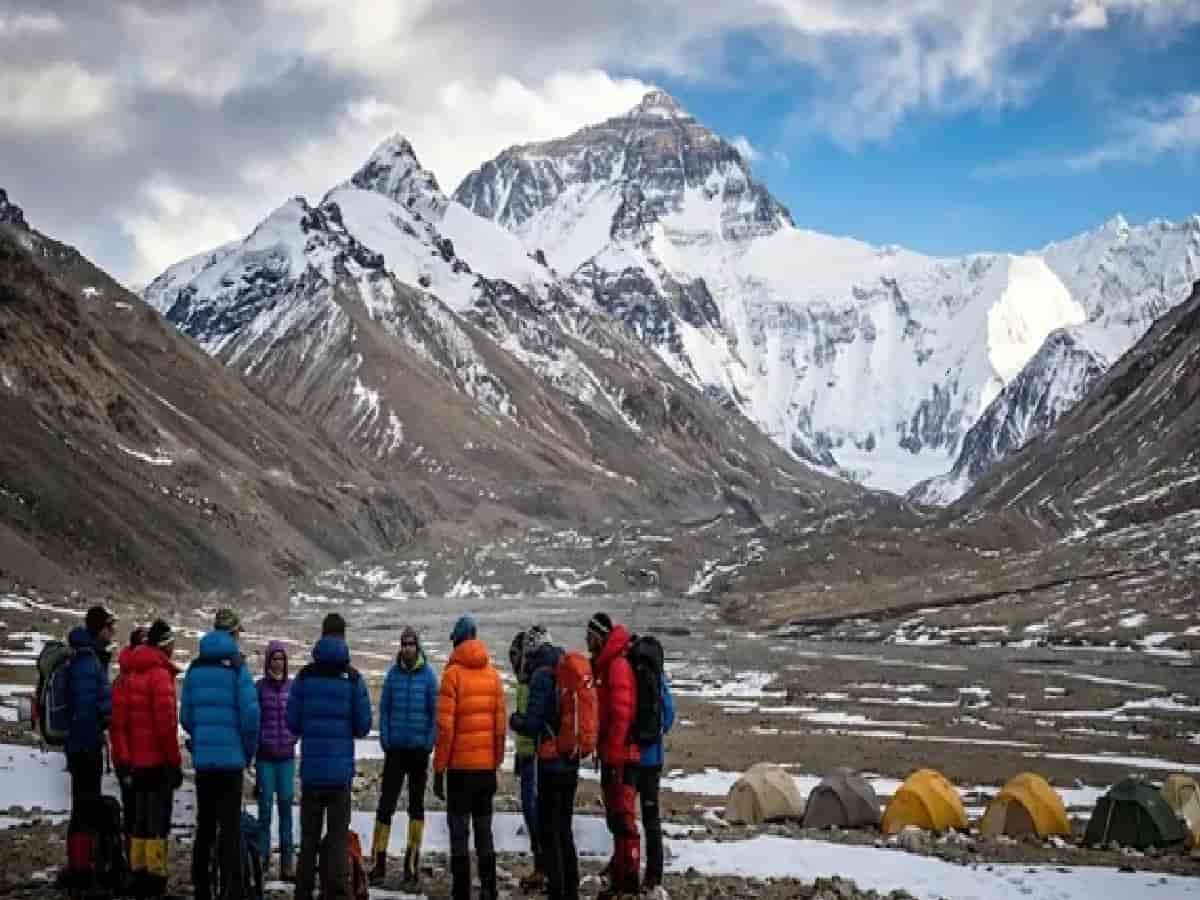
Chinese authorities have enforced a strict and comprehensive ban preventing international climbers from scaling Tibet's majestic high-altitude peaks, including the treacherous northern face of Mount Everest, along with Cho Oyu and Shishapangma. This abrupt administrative decision has sent shockwaves through the global mountaineering community, resulting in the immediate cancellation of planned expeditions, autumn bookings, and specialized tour packages for adventurers who had spent months preparing for their high-altitude ascents.
Investigation Triggers Ban Over Fireworks and Permit Corruption
The drastic restriction stems directly from a high-level government investigation into a viral 52-second fireworks display recorded near Shigatse in Tibet, alongside rampant corruption allegations surrounding the issuance of official mountaineering permits to foreign expeditions. Beijing's regulatory bodies launched inquiries after the controversial fireworks stunt sparked local outrage and exposed administrative loopholes. As a consequence, the China-Tibet Mountaineering Association (CTMA), which previously suspended foreign teams during the spring season, has now extended the blanket ban through the autumn climbing window.
Impact on Global Mountaineers and Nepal-Based Operators
This sweeping closure has left international climbers—especially those attempting to conquer all 14 global peaks towering above 8,000 meters—stalled and forced to wait at least another season. Kathmandu-based expedition organizers confirmed they received formal notices stating that foreign teams will not be permitted entry through Tibetan routes. While earlier spring closures drove record crowds to the southern slopes in Nepal—where an unprecedented 1,008 climbers successfully summited Everest from the Nepalese side—Beijing has yet to release any formal public statement or clarification regarding the indefinite extension of this restrictive policy.