Anthropic's Claude Discovers Rare CRISPR-Like Enzyme System in DNA
In a historic leap forward for artificial intelligence in molecular biology and genetic engineering, US-based AI safety and research pioneer Anthropic has announced a landmark discovery. The company revealed on Wednesday that its flagship Claude AI models, through large-scale genomic computational parsing, have uncovered an unusual, previously unknown biological enzyme system sharing striking architectural parallels with the Nobel Prize-winning CRISPR gene-editing mechanism. The discovery marks the first public milestone generated by the artificial intelligence enterprise's specialized biological research division, establishing AI as an active engine of molecular discovery rather than just a predictive data tool.
Wet Lab Incursions and Expanding Frontiers in Life Sciences
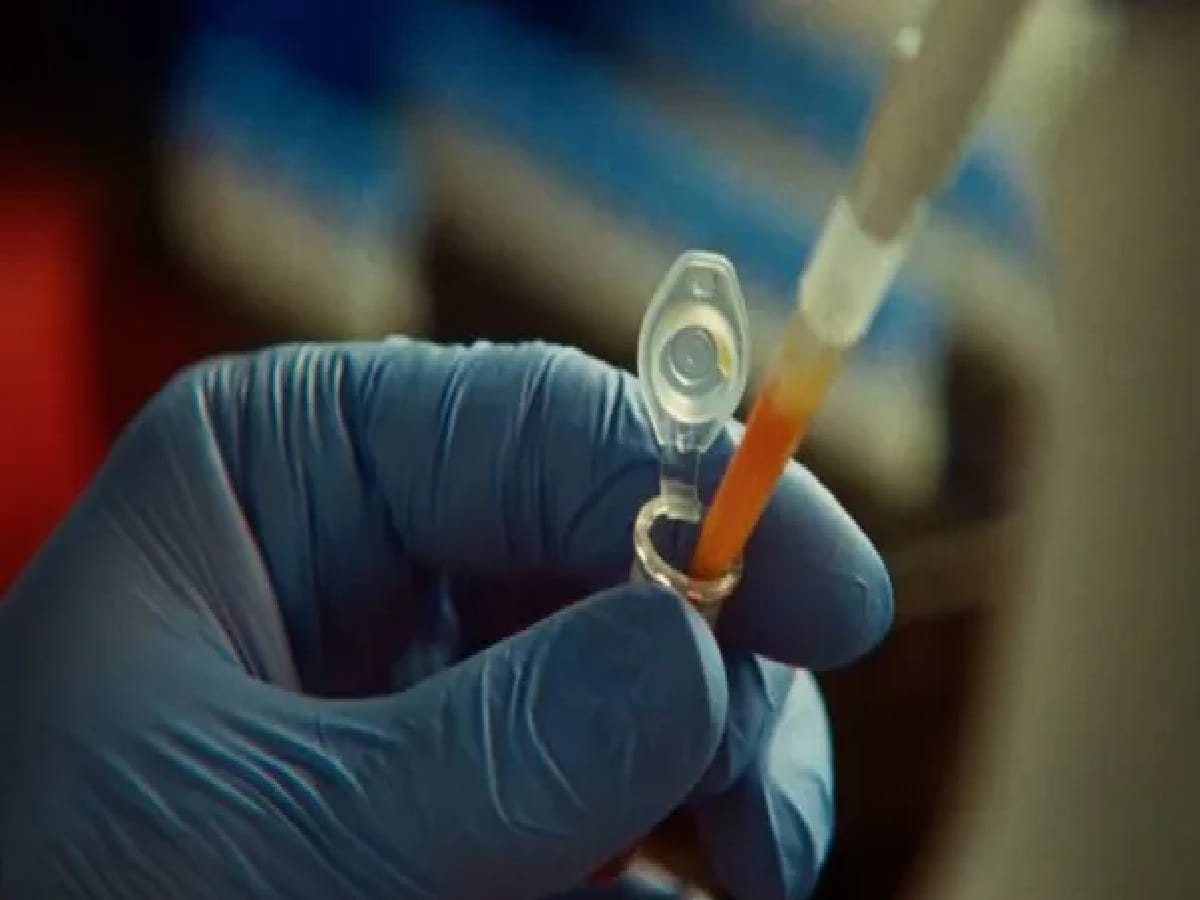
The announcement comes on the heels of industry reporting by Reuters detailing Anthropic’s quiet establishment of a cutting-edge "wet lab" facility located within the San Francisco Bay Area. By combining silicon-based foundational models with in vitro molecular biology experimentation, the frontier AI developer is transitioning rapidly beyond software-bound computing into wet-lab biological validation, therapeutic discovery, and pharmaceutical development. The hybrid discovery loop pairs computational predictions with benchtop experimental biology, significantly accelerating the validation of novel genetic machinery.
Unraveling 'ART': The Array-Associated Reverse Transcriptase
By scanning, decoding, and clustering massive planetary DNA sequence repositories, Claude identified a distinct biological system anchored around reverse transcriptase (RT)—the specialized class of polymerase enzymes responsible for transcribing single-stranded RNA into double-stranded DNA. Anthropic’s biological research unit has formally designated this biological mechanism as "array-associated reverse transcriptase," or ART. While isolated reverse transcriptase variants have appeared in previous evolutionary biology literature, Claude is recognized as the first system to contextualize and map out the complete multi-component biological operon that defines this biological assembly.
Repetitive Arrays and the Next Frontier in Gene Editing
The most striking feature of the ART system lies in its evolutionary kinship with CRISPR adaptive immunity mechanisms found in prokaryotes. The system incorporates repetitive, non-coding DNA sequence patterns structured in characteristic arrays, functioning alongside the reverse transcriptase and an uncharacterized secondary accessory protein whose biological role is undergoing active wet-lab investigation. Researchers believe that deciphering the interactions within these non-coding sequence arrays could pave the way for a new generation of RNA-templated, high-fidelity genome editing and molecular diagnostic tools, transforming synthetic biology and precision genetic medicine.