Air India Kanishka Probe Face Closure After 41 Years; Victims' Families Protest to Canadian PM
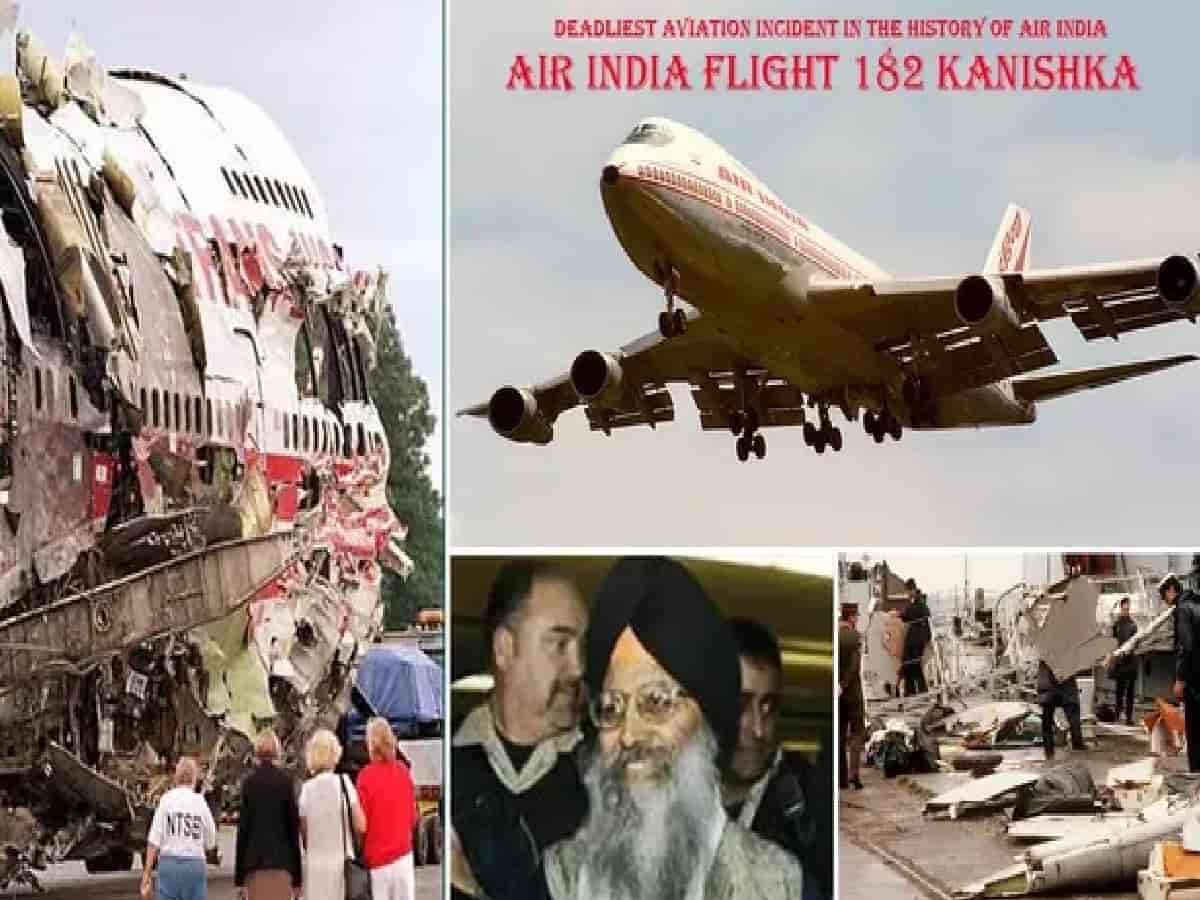
A massive international controversy has erupted following indications that the Royal Canadian Mounted Police (RCMP) is planning to wind down its four-decade-long active investigation into the catastrophic 1985 bombing of Air India Flight 182, widely known as the "Kanishka" tragedy. The move to declare Canada's deadliest mass murder inquiry inactive was communicated directly to grieving relatives during a closed-door briefing in Toronto on September 12, sparking widespread outrage among victims' families who have spent 41 years demanding complete justice. The tragic terror attack claimed 329 innocent lives—including 268 Canadian citizens, along with Indian and foreign nationals—when an onboard suitcase bomb detonated over the Atlantic Ocean off the Irish coast on June 23, 1985.
Families Protest to PM Mark Carney and PM Modi Over Task Force Shutdown
Vehemently protesting any procedural move to bury the probe, Sanjay Lazar, a surviving family member who lost his parents and younger sister in the tragedy and currently serves as the Chairman of the Kanishka Foundation, dispatched a strongly worded protest letter to Canadian Prime Minister Mark Carney. Writing to the Canadian leadership on September 16, Lazar expressed profound grief and shock over the RCMP's proposal to disband the specialized investigative task force and classify the historic file as inactive. To elevate the matter beyond an internal Canadian policing decision, official copies of the memorandum were formally delivered to Indian Prime Minister Narendra Modi, the External Affairs and Foreign Ministers of both sovereign nations, Canada’s Minister of National Security, and the Attorneys General of Canada and British Columbia.
Grieving Relatives Slam Law Enforcement for Shifting Burden of Proof
In his formal memorandum, the Chairman of the Kanishka Foundation highlighted the profound injustice of asking aging family members to supply fresh operational leads after 41 years of state-led investigation. Lazar underlined that expecting victims' kin to uncover breakthroughs that federal agencies failed to secure over four decades effectively amounts to systemic abdication. The letter highlighted historical shortcomings that crippled past criminal trials, noting that the prosecution of key conspirators was severely compromised by the mysterious disappearance of vital physical evidence, the systematic erasure of crucial intelligence wiretaps by security agencies, and the untimely deaths or intimidation of key prosecution witnesses. The families argued that these systemic errors, which previously enabled suspects to walk free, make an uninterrupted, permanent investigation even more critical today.
The 1985 Tragedy: Canada's Deadliest Mass Murder and John Major Inquiry
The destruction of Air India Flight 182 en route from Montreal to London remains the deadliest act of aviation terrorism prior to the September 11 attacks, occurring concurrently with a twin baggage explosion linked to the same plot at Tokyo's Narita Airport that killed two baggage handlers. Prime Minister Mark Carney acknowledged the magnitude of the tragedy during its 41st solemn anniversary in June 2026, reiterating that Flight 182 represents the darkest chapter of domestic counter-terrorism failures. A landmark judicial commission led by former Supreme Court Justice John Major detailed catastrophic pre- and post-bombing intelligence failures, uncovering an institutional breakdown between security and police apparatuses. Victim families insist that shelving the active investigative file would dishonor the memories of the 329 victims and compromise global accountability for international terror syndicates.