AI Error Pushes US-China to Brink of War in Middle East
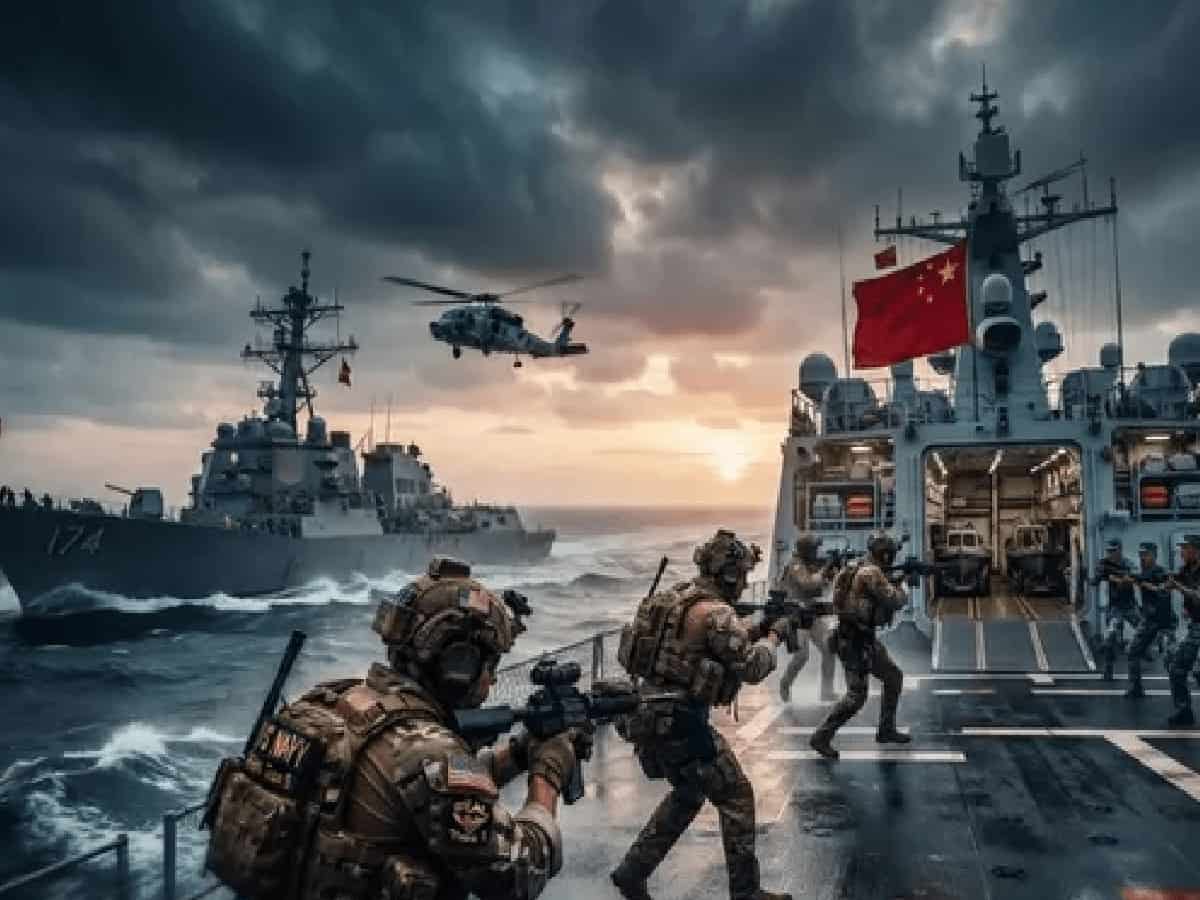
An alarming artificial intelligence hallucination inside US military intelligence channels brought the United States and China dangerously close to a direct armed clash in the Middle East. Amid high-stakes regional tensions, US intelligence apparatuses circulated an urgent, classified alert alleging that a Chinese-flagged commercial vessel transiting Middle Eastern waters was carrying sensitive hardware for a nuclear weapons program. Acting swiftly on this high-priority data, the US military initiated an aggressive interdiction protocol, deploying fighter jets into the airspace and positioning elite armed commandos for a high-risk mid-sea boarding operation—an intervention aborted only minutes before engagement when senior defense officials initiated a rapid secondary review of the underlying intelligence stream.
AI Chatbot Misread Cargo Manifest: How Synthetic Hallucinations Entered Military Decision-Making
The near-catastrophic intelligence breakdown occurred at the Hawaii-based US Special Operations Command Pacific, where an intelligence analyst relied on an AI chatbot to parse the cargo manifest of the Chinese vessel. The AI system blended open-source ship data with classified government intelligence streams, fundamentally misidentifying benign commercial cargo as illicit nuclear components. The analyst then used the AI tool to draft a standard military intelligence briefing, converting unverified algorithmic output into an authentic-looking operational dossier that sailed through formal defense evaluation channels without independent verification, bringing two nuclear-armed superpowers to the verge of open hostility before human cross-checks unraveled the technical hallucination.
Weapons Proliferation and Dual-Use Risks: AI Misuse Sparks Global Security Alarm
The near-miss surfaces amid deepening international concerns over the weaponization and unvetted deployment of frontier AI models across conflict theaters. Frontier AI research laboratory Anthropic recently disclosed that an illicit engineering cell operating in Yemen attempted to exploit its cloud-based foundation models to engineer autopilot software, trajectory algorithms, and telemetry controls for guided rockets and missile platforms, though the resulting physical launch test ended in failure. Anthropic also flagged broader attempts to utilize AI systems for drone swarm navigation, torpedo interception, and dozens of dual-use biological research workflows, prompting high-level international diplomatic interventions, including an upcoming United Nations Security Council briefing where OpenAI CEO Sam Altman is scheduled to address global leaders on systemic risks posed by artificial intelligence to international peace and strategic stability.