Africa’s 8,000-KM 'Great Green Wall': The Ambitious Eco-Project Fighting Climate Change
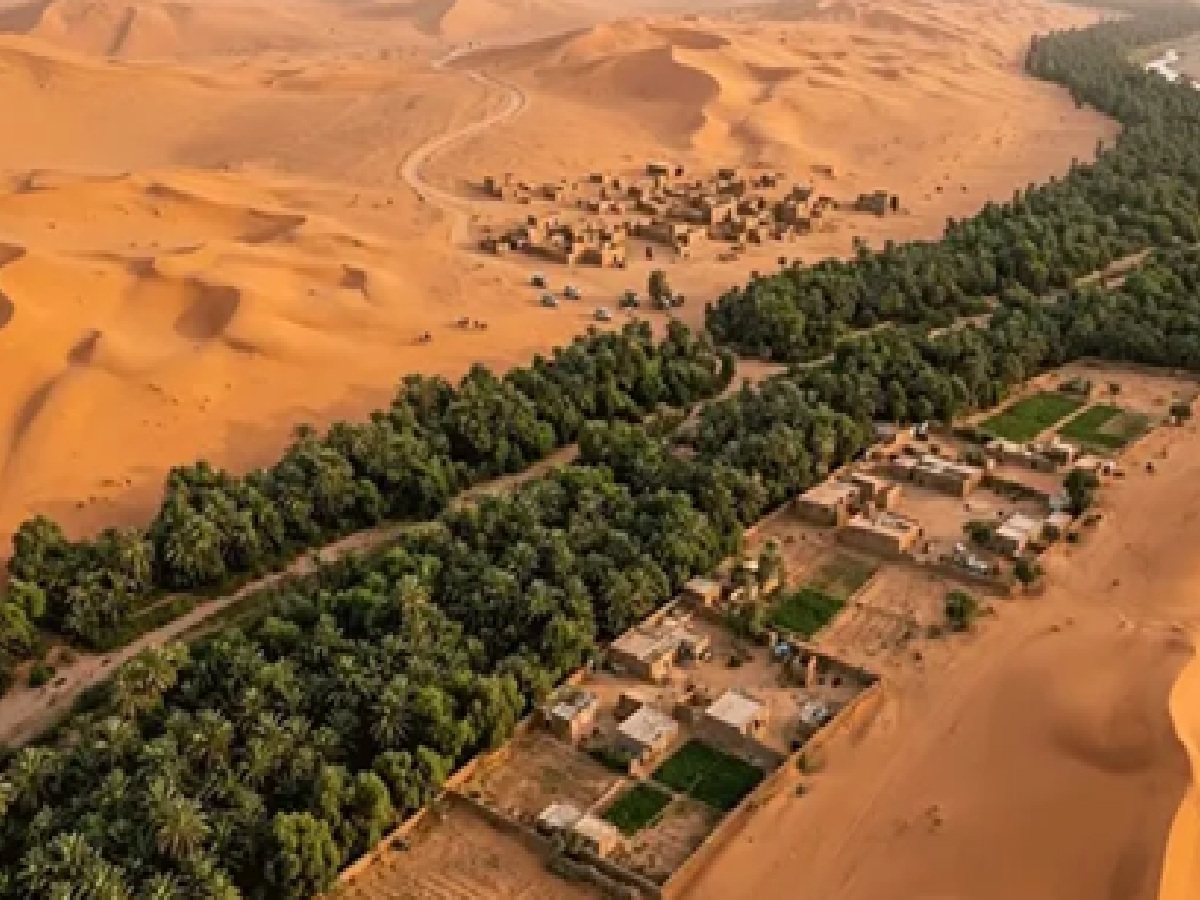
From the Atlantic coast of Senegal to the shores of the Red Sea in Djibouti, Africa is currently spearheading one of the most significant environmental undertakings in human history. The "Great Green Wall" is not merely a fence of trees; it is a sprawling, 8,000-kilometer landscape restoration initiative cutting directly across the Sahel—a semi-arid region bordering the massive Sahara Desert. Designed to combat desertification, this ambitious project is rapidly becoming a global symbol of hope, blending traditional wisdom with modern science to breathe life back into some of the planet’s most vulnerable ecosystems.
Beyond Planting Trees: A Flexible Restoration Strategy
While the initiative was launched by the African Union in 2007 with the original vision of a continuous belt of trees, scientists soon realized that nature requires a more nuanced approach. Today, the Great Green Wall is a mosaic of restoration projects tailored to local conditions. Instead of just planting a single row of trees, the strategy includes regenerating native forests, restoring grasslands, harvesting rainwater, protecting wetlands, and implementing sustainable agricultural practices. This flexible, "living" wall adapts to the unique needs of each region, ensuring that the ecosystems built are resilient and self-sustaining.
Why the Sahel Desperately Needs This Wall
For decades, the Sahel has been on the front lines of the climate crisis. Faced with prolonged droughts, extreme land degradation, and shifting rainfall patterns, millions of people who depend on farming and animal husbandry have struggled with declining crop yields and systemic poverty. The Great Green Wall aims to flip this narrative by:
-
Restoring Soil Health: Improving water retention and vegetation cover to make farmland productive again.
-
Enhancing Biodiversity: Creating habitats for native birds, insects, and wildlife.
-
Economic Empowerment: Creating 10 million "green jobs" by 2030, providing locals with sustainable ways to earn an income without depleting natural resources.
Reaching the 2030 Goal: Milestones and Progress
The scale of this project is unprecedented. The initiative aims to restore 100 million hectares of degraded land by 2030—an area roughly equivalent to the size of Egypt. The impact goals are equally massive: absorbing 250 million tons of carbon dioxide from the atmosphere and securing food sources for millions. Significant progress is already visible; nations like Senegal and Ethiopia have rehabilitated millions of hectares, and nearly 30 million hectares across the region have already been successfully restored. With over 20 African nations working alongside global development banks and environmental organizations, the movement is gaining momentum despite challenges in conflict-affected zones.
A Global Model for Climate Resilience
The Great Green Wall is much more than a continental project; it is a blueprint for the world. As land degradation threatens arid regions globally, the lessons learned in the Sahel provide a vital template for restoring nature while simultaneously driving economic development. By proving that economic security and ecological health are not mutually exclusive, Africa is showing the world that large-scale environmental cooperation can succeed. As the project grows, it stands as a testament to the fact that the most effective way to fight climate change is to work with nature to restore the land that sustains us all.