







Yogi Govt's High-Tech Underwater Engineering Rescues 6,300 Hectares of Farmland
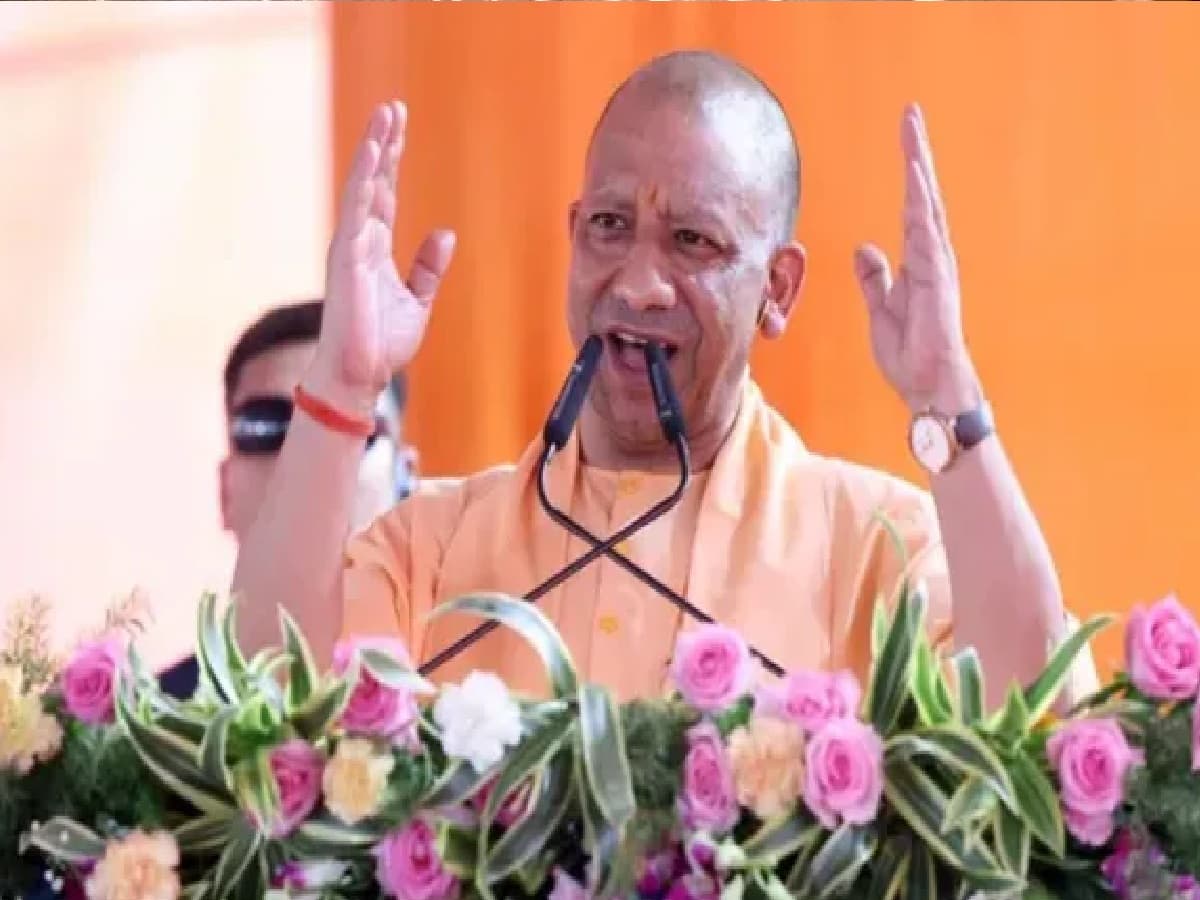
In a landmark agricultural and infrastructural breakthrough for the Vindhya-Purvanchal belt, Mirzapur's historic Jargo Dam has filled to the brim and overflowed for the first time in nearly three decades, bringing profound relief and economic optimism to the agrarian communities of Eastern Uttar Pradesh. Spearheaded under the direct policy mandate of Chief Minister Yogi Adityanath to modernize state irrigation networks and halt freshwater wastage, the milestone was achieved after the state Irrigation and Water Resources Department successfully restored the damaged under-sluice gates of the lifeline Meja-Jargo Link Canal. Decades of structural neglect had previously choked the system, but with the canal now steadily discharging 229 cusecs of water directly into the reservoir, the regional water table has been revitalized, marking an end to chronic irrigation deficits that have plagued local farmers for thirty years.
High-Tech ROV Robotics and Deep-Water Engineering: How Bareilly Engineers Solved a 15-Meter Underwater Crisis
Detailing the engineering turnaround, Principal Secretary for Irrigation and Water Resources Anil Garg explained that the Meja-Jargo Link Canal spans 71.130 kilometers with a designed discharge capacity of 580 cusecs, serving as the primary conduit channeling water between regional reservoirs and the Jargo Dam. However, two primary under-sluice gates at the canal head had deteriorated over several decades, leaking an estimated 150 cusecs of water continuously. This persistent breach not only depleted critical reserves but created hazardous hydraulic currents that prevented desilting operations across a 10-kilometer downstream stretch, sharply lowering the canal's carrying capacity and starving both Kharif and Rabi season crops. Chief Engineer (Mechanical) Upendra Singh noted that executing repairs was exceptionally hazardous, as the damaged gates were submerged 15 meters beneath the surface under hydrostatic pressure 2.5 times atmospheric pressure, making direct human diving dangerously unviable. To overcome these hazards, specialized engineers from the Irrigation Workshop Division in Bareilly executed a phased protocol: they deployed an advanced underwater Remotely Operated Vehicle (ROV) outfitted with high-resolution 4K optical cameras to map structural fractures, rubber seal gaps, and wall perforations. After stabilizing the perimeter with rapid-setting underwater sealants, engineers lowered a custom-fabricated stop-log gate, extracted both damaged service gates, installed heavy-duty rollers and bearings, replaced degraded rubber seals, and grouted wall breaches with specialized high-pressure compounds before pressure-testing the completed installation.
Transforming Mirzapur Agriculture: 15,000 Farmers and 6,300 Hectares Rejuvenated for Kharif and Rabi Seasons
The permanent closure of the 150-cusec leak and the full restoration of water control mechanisms have triggered an immediate economic revival across Mirzapur’s farming belt. The project directly secures reliable canal irrigation for approximately 6,300 hectares of cultivable land, providing guaranteed water security to more than 15,000 agrarian households across the district. Agricultural yields for water-intensive Kharif paddy as well as subsequent Rabi winter crops are projected to rise significantly, protected from the erratic monsoon patterns that historically compromised harvest outputs. Furthermore, with the water flow systematically regulated and the downstream sections finally cleared for heavy silt extraction, the Meja-Jargo canal network has been safeguarded for long-term operational resilience, exemplifying how modern robotics and targeted civil engineering can transform water resource management in rural Uttar Pradesh.




