







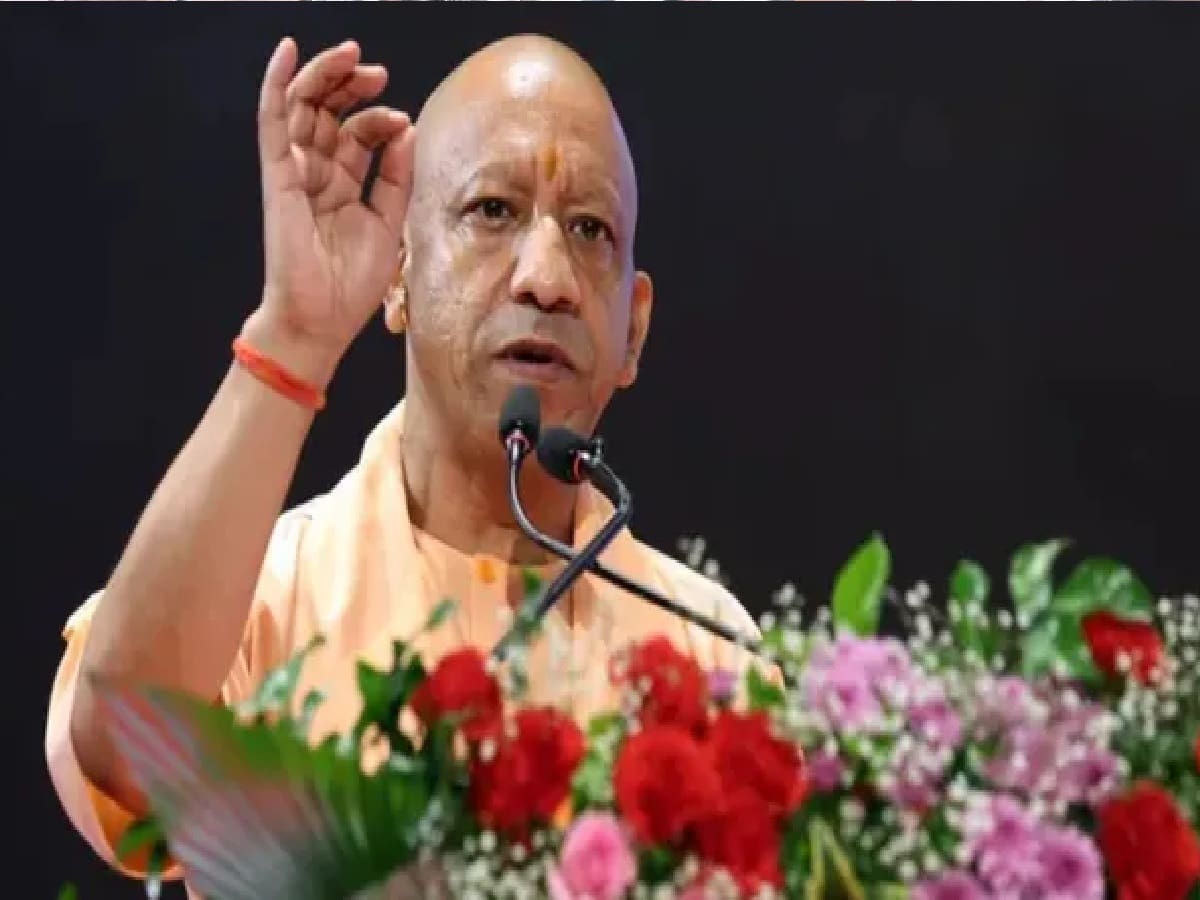
Yogi Govt Hikes UP Mandi Parishad Cow Protection Fund to ₹69.16 Crore
Demonstrating sustained policy commitment to livestock welfare and rural governance, the Uttar Pradesh government led by Chief Minister Yogi Adityanath has approved a financial outlay of ₹69.16 crore through the State Agricultural Produce Market Council (Rajya Krishi Utpadan Mandi Parishad) for the protection and maintenance of destitute cattle during the 2026-27 financial year. Underscoring an aggressive institutional scaling of animal husbandry initiatives, the annual budgetary allocation under this specific head has expanded more than fifteen-fold over the past nine years, escalating from a modest ₹4.51 crore to the current ₹69.16 crore. As part of the structured rollout, the Mandi Parishad has already released the first installment of ₹34.58 crore directly to the Uttar Pradesh Cow Service Commission (Gau Seva Aayog), creating a seamless fiscal mechanism that channels a dedicated portion of agricultural market cess directly into grassroots bovine conservation, feeding programs, and veterinary management across registered shelters statewide.
Policy Shift and Funding Mechanism: From 2% in 2019 to 3% Mandi Revenue Allocation
The substantial expansion in financial support is anchored in decisive legislative and administrative reforms designed to tie agricultural market revenues to social welfare. The fiscal overhaul gained momentum in 2019 when the state administration mandated a 2 percent grant from Mandi Parishad revenues toward the Cow Service Commission, a figure subsequently elevated to 3 percent of the council’s total annual income in 2020 during a high-level board meeting chaired by Chief Minister Yogi Adityanath. To maintain stringent financial transparency and accountability, the funds are disbursed in two equal installments: an initial release of 1.5 percent followed by the remaining 1.5 percent upon the official submission and verification of a formal Utilization Certificate (UC). Institutional records trace a steady upward trajectory in funding, with allocations climbing from ₹31.69 crore in 2019-20 to ₹45.66 crore in 2023-24, ₹51.50 crore in 2024-25, ₹59.14 crore in 2025-26, and culminating in the record ₹69.16 crore provision for 2026-27, guaranteeing adequate stockpiles of nutritious green fodder, weatherproof shelters, timely vaccination cycles, and emergency healthcare for rescued cattle.
Pushing Gaushala Self-Reliance: Organic Byproducts, Milk, and Agrarian Synergy
Beyond providing recurring financial subsidies, the state administration is executing a comprehensive strategy to transform rural gaushalas into economically self-sufficient enterprises. The operational blueprint incorporates decentralized commercial models where shelters generate independent revenue streams by marketing raw milk, processed cow-dung derivatives, natural pest repellents, and organic vermicompost for zero-budget natural farming. Outlining the broader institutional roadmap, Jitendra Pratap Singh, Director of the State Agricultural Produce Market Council, stated that destitute cattle management remains an integral priority of the Yogi administration alongside the continuous modernization of agricultural mandis for regional farmers. By bridging modern marketing infrastructure with traditional bovine care, the state aims to build a circular rural economy where cow shelters achieve long-term fiscal resilience while providing rural cultivators with high-grade organic inputs and comprehensive agricultural support.




