







How 8 Years of Transformation Turned Sangam City into a Global Smart Hub
Eight years after the historic cabinet resolution that officially revived its ancient Puranic identity, the transformation of Prayagraj from the colonial-era Allahabad stands as one of Uttar Pradesh’s most dramatic civic and infrastructural overhauls. On October 16, 2018, Chief Minister Yogi Adityanath’s cabinet fulfilled a decades-long cultural and spiritual demand by redesignating the district after the sacred "Prayag" celebrated in Vedic literature. What began as a symbolic reclaiming of heritage swiftly turned into an unprecedented infrastructure renaissance. Over the past eight years, powered by multi-thousand-crore allocations for the 2019 Ardh Kumbh and the historic Mahakumbh 2025, the Sangam city has witnessed widened thoroughfares, modern riverfronts, multi-lane flyovers, smart mobility networks, and deep cultural revival.
Massive Infrastructure Push: Kumbh & Mahakumbh Budgets Fuel Urban Resurgence
The renaming served as a launchpad for deep capital investments that modernized the urban fabric across both old and new sectors of the city:
-
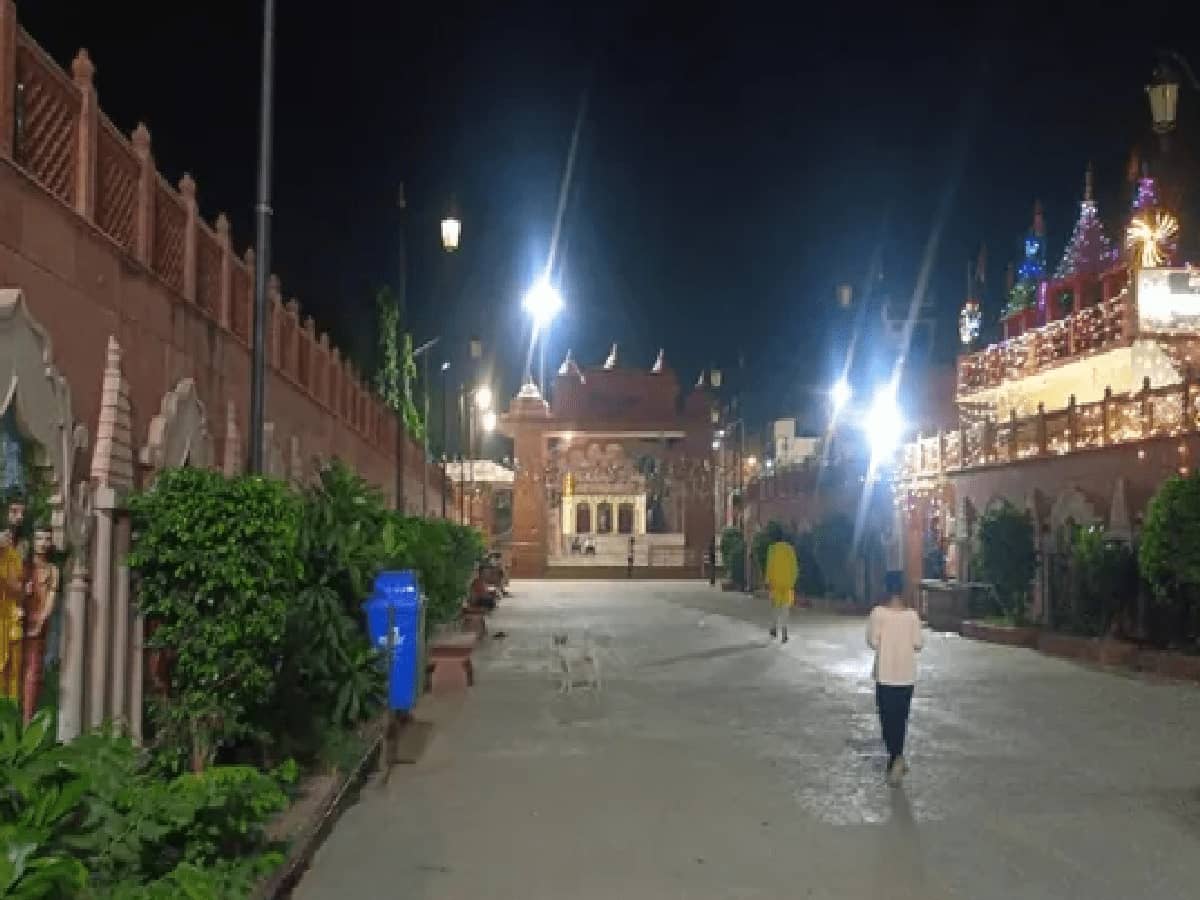
Arterial Road Widening & Walkways: Heavy municipal allocations transformed narrow colonial roads into multi-lane, pedestrian-friendly corridors equipped with paved footpaths and modern LED street lighting.
-
Corridor Developments for Sacred Shrines: Dedicated pilgrim corridors have been constructed around the revered Bade Hanuman Temple at Bandhava and the historic Maharshi Bhardwaj Ashram, streamlining crowd circulation for millions of devotees.
-
Ghat Modernization on Ganga & Yamuna: Ancient muddy banks were replaced with reinforced concrete bathing ghats, decorated riverfront promenades, illuminated view decks, and designated selfie zones stretching from Naini Bridge across to Arail.
-
Heritage Parks and Civic Spaces: Major recreational landmarks including Chandra Shekhar Azad Park, Khusro Bagh, and Bhardwajmuni Park received extensive landscaping, musical fountains, and public facilities.
Smart City Upgrades: Overbridges, Air Connectivity, and Commercial Boom
Beyond spiritual tourism, the transformation has upgraded daily civic life and commercial investment across Prayagraj:
-
Decongesting Traffic Chokepoints: Multiple road overbridges (ROBs) and grade separators were constructed across rail-line intersections, smoothly funneling vehicles through dense bottlenecks like Subhash Chowraha and Civil Lines.
-
Smart Mobility Rollout: Under the Smart City Mission, the district rolled out modular public bus shelters, public app-based bicycle-sharing hubs, and open-air fitness gyms across prominent neighborhood parks.
-
Commercial Growth: The central commercial district of Civil Lines transformed into an upscale retail hub with national shopping malls, hospitality chains, and modern dining destinations opening within short walking distances.
-
Direct Flight Connections: The modernized Prayagraj Airport terminal on Airport Road now provides regular air links connecting Sangam city directly to major national business capitals like New Delhi, Mumbai, and Bengaluru.
Regional Connectivity Corridor: Seamless Road Access to Ayodhya, Kashi & Chitrakoot
Commenting on the city's meteoric evolution over the eight-year span, Dr. Dhananjay Chopra, coordinator of the Centre of Media Studies at Allahabad University, noted that Prayagraj has successfully established itself on the world stage:
-
A Global Convergence Point: The mega-gatherings of Kumbh 2019 and Mahakumbh 2025 placed the sacred confluence at the center of international cultural tourism, drawing global travelers, scholars, and spiritual seekers.
-
The Holy Circuit Linkages: High-speed highway upgrades and railway augmentations have cut surface travel times between Prayagraj and surrounding pilgrimage destinations, enabling travelers to reach Ayodhya, Varanasi (Kashi), Chitrakoot, and Mathura quickly and comfortably.
-
Permanent Civic Legacy: Experts emphasize that the extensive infrastructure laid down over these eight years has transcended temporary festival logistics, cementing a long-term urban framework that continues to attract trade, education, and heritage tourism.




