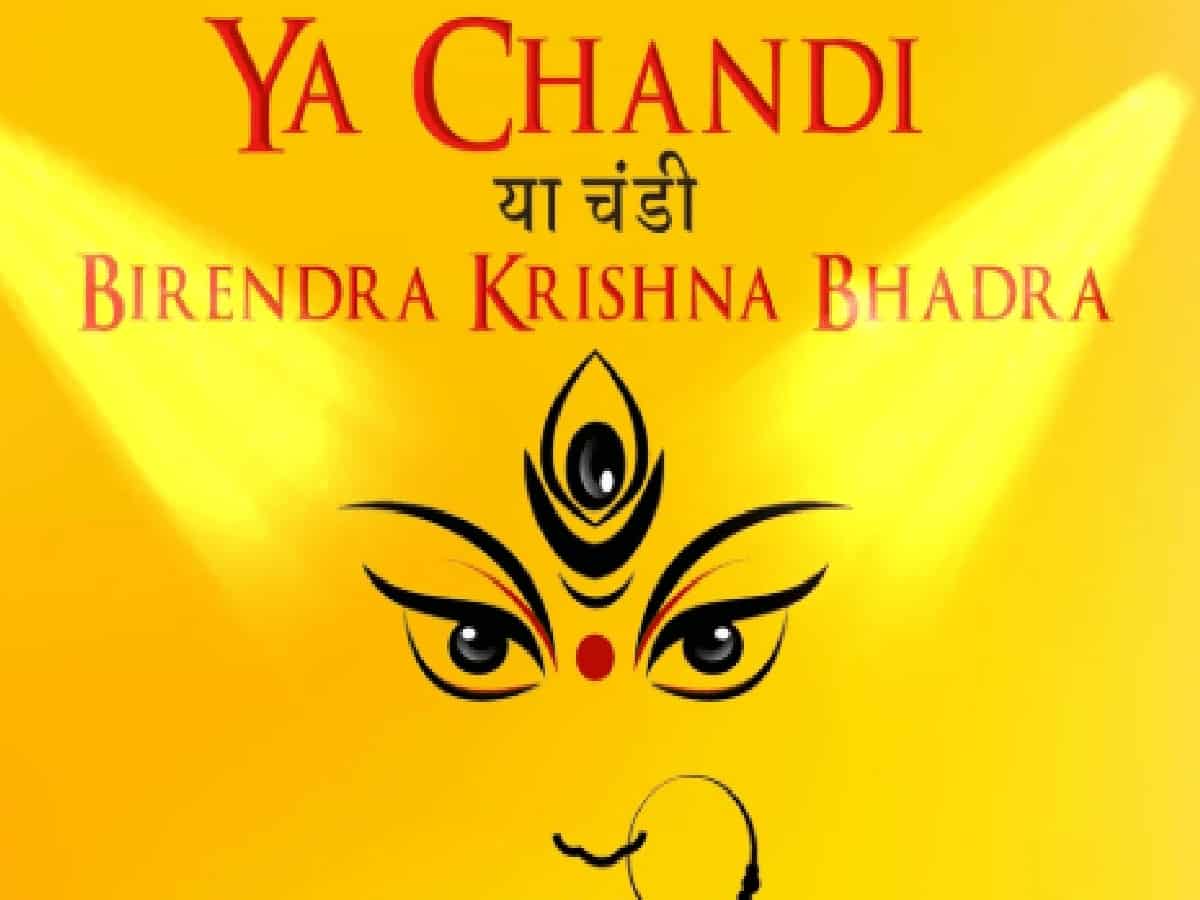
Why 'Ya Devi Sarvabhuteshu' & Birendra Krishna Bhadra's Chandi Path Resonate
The sacred day of Mahalaya marks a profound spiritual transition across India, bringing the fortnight of ancestor remembrance (Pitru Paksha) to a close and welcoming the auspicious dawn of Devi Paksha. Celebrated with unmatched fervor, particularly across West Bengal, Tripura, and Bengali diaspora hubs worldwide, the early morning hours of Mahalaya come alive with the resonant chants of the Chandi Path and the iconic hymn "Ya Devi Sarvabhuteshu." For generations, households have tuned into early radio broadcasts and streaming platforms at pre-dawn to invoke Goddess Durga. Beyond a cultural tradition, this dawn invocation represents deep philosophical, scriptural, and spiritual principles rooted in the Devi Mahatmya of the Markandeya Purana.
The Power of 'Ya Devi Sarvabhuteshu': Awakening Omnipresent Divine Energy
The sacred hymn holds deep metaphysical resonance in the worship of the Divine Mother:
-
Scriptural Origin in the Durga Saptashati: Found within the fifth chapter of the Durga Saptashati (also known as the Chandi Path or Devi Mahatmya), the verse "Ya Devi Sarvabhuteshu Shakti-rupena Samsthita, Namastasyai Namastasyai Namastasyai Namo Namah" bows repeatedly to the supreme feminine energy residing within all living beings.
-
Beyond Idol Worship: Vedic philosophy does not restrict the Goddess to temple sanctums; she is recognized as the living, pulsating cosmic consciousness (Chiti) within every soul.
-
Manifestation of Innate Virtues: The hymn praises the Goddess across multiple operational manifestations—including intellect (Buddhi), peace (Shanti), compassion (Daya), forgiveness (Kshama), hunger (Kshudha), and maternal affection (Matri-rupa). Chanting these verses on Mahalaya serves as a practice of conscious awakening, encouraging individuals to master their inner faculties before starting the festive season.
The Daughter Comes Home: Welcoming Maa Durga and Her Divine Retinue to Earth
Mahalaya symbolizes the emotional invitation extended by devotees to welcome the Goddess from her heavenly abode:
-
Descent from Mount Kailash: In popular tradition, Goddess Durga departs from Mount Kailash to visit her maternal home (Baper Bari) on Earth (Martyaloka), arriving not as a distant monarch, but as a beloved daughter greeted with warmth and festive grandeur.
-
Arrival of the Divine Family: The Mother Goddess arrives accompanied by her four celestial children: Lord Ganesha (the remover of obstacles), Lord Kartikeya (the commander of valor), Goddess Lakshmi (the harbinger of wealth and prosperity), and Goddess Saraswati (the embodiment of wisdom and arts).
-
Bridging Ancestral Homage and Divine Grace: By seamlessly following Tarpan—the ritual offering of water to ancestors on the final day of Pitru Paksha—Mahalaya balances gratitude toward one's lineage with the joyous, vibrant arrival of the festive season.
Sacred Philosophy of the Chandi Path: Mahishasura's Fall & The Eternal Triumph of Dharma
The recitation of the Chandi Path carries timeless ethical and spiritual lessons:
-
Unified Cosmic Light: When the universe was terrorized by the buffalo demon Mahishasura, the assembled gods combined their distinct energies (Tejas), manifesting Goddess Durga as the invincible embodiment of collective cosmic power.
-
Vanquishing Injustice: The subsequent annihilation of Mahishasura serves as an eternal reminder that systemic oppression, unchecked ego, and deceit are inevitably crushed by united righteousness and unwavering truth (Dharma).
-
Spiritual Renewal: The early morning echoes of the Chandi Path on Mahalaya encourage devotees to cast aside internal darkness, cultivate moral strength, and begin life anew with clear purpose and spiritual vitality.