







Why Matkor Is Special in Bihar & Purvanchal Weddings: Meaning & Rules
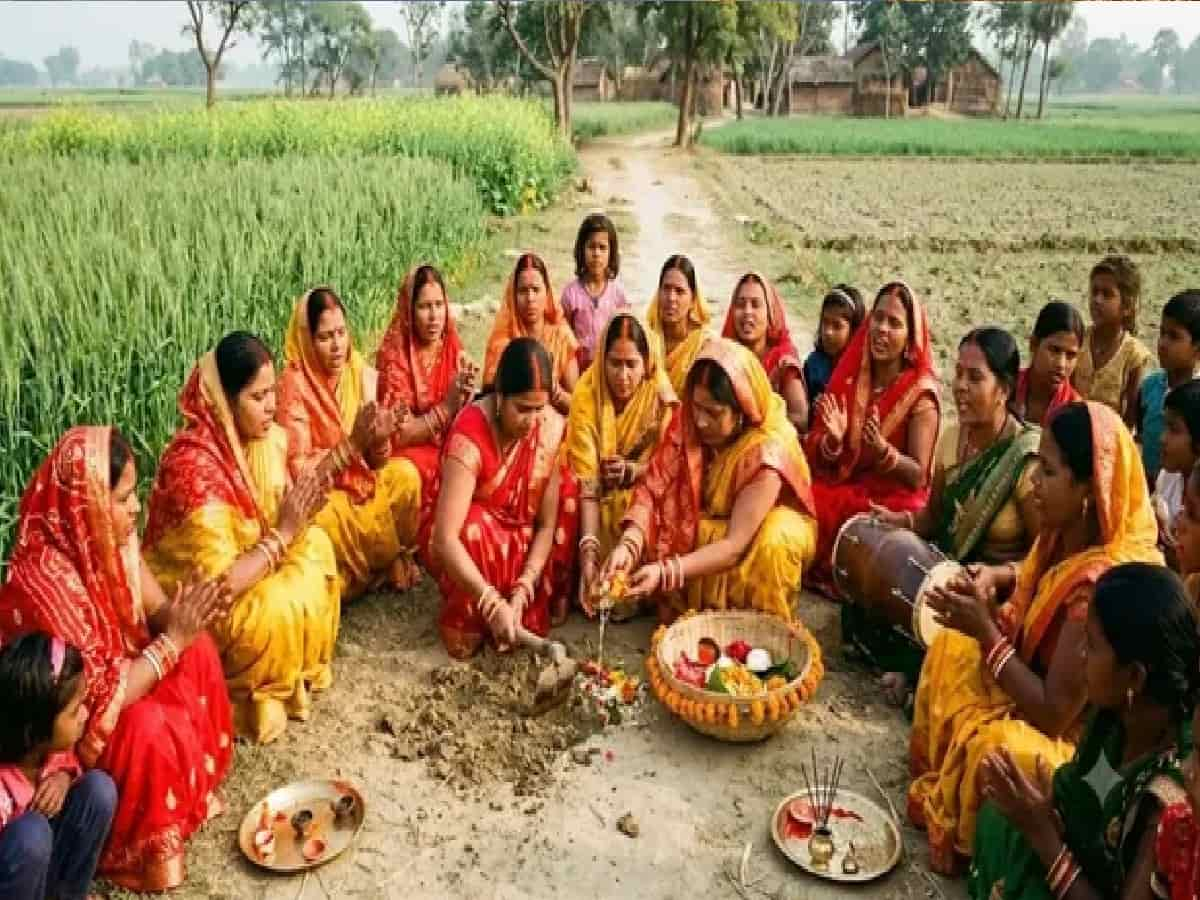
With the post-Devuthani Ekadashi wedding season in full swing across northern India, households celebrating marriages in Bihar and eastern Uttar Pradesh (Purvanchal) are turning to time-honored pre-wedding customs—chief among them Matkor. Highlighted across cultural features on Tuesday, November 24, 2026, Matkor is traditionally held one to three days before the wedding, bringing together women of the family and neighborhood who walk in procession to a pond, river bank, or sacred spot while singing traditional folk songs. There, they offer prayers, vermilion (sindoor), turmeric (haldi), and unbroken rice (akshat) to Mother Earth before a designated female relative—such as an aunt or sister—gathers sacred soil with a spade and carries it home in a basket to help shape the wedding pavilion (mandap) and sacred altar. Beyond being a lively pre-wedding gathering rich in regional music, families view Matkor as an invocation of the five elements (Panchamahabhuta)—anchoring the marriage before Mother Earth so the couple's bond grows with steadiness, patience, and nourishment. From Lucknow, Varanasi, Gorakhpur, Prayagraj, and Deoria across Purvanchal to Patna and Gaya in Bihar, this centuries-old rite ties family memory directly to the natural world.
Matkor Ritual in Bihar & Purvanchal Weddings: Steps, Meaning & Regional Names
To bring together how the Matkor ceremony is performed one to three days before a wedding, why families invoke Mother Earth and the five elements, and how equivalent earth-honoring customs are named across other Indian states, the tables below summarize the tradition:
How 'Matkor' Is Performed & Why It Matters
| Aspect | Traditional Practice | Cultural & Symbolic Meaning |
| Timing in Wedding Calendar | Typically performed 1 to 3 days before the wedding during the auspicious marriage season (such as after Devuthani Ekadashi). | Prepares the physical and spiritual setting ahead of core marriage rites. |
| Procession & Offerings | Women gather and process to a pond, river, or sacred site, singing folk songs and offering vermilion, turmeric, and unbroken rice to the earth. | Combines community bonding, folk heritage, and respectful prayer to Mother Earth. |
| Gathering & Using the Soil | An aunt or sister digs soil with a spade and brings it home in a basket for the wedding pavilion and altar (vedi). | Makes the earth a witness to the union, symbolizing stability, endurance, and fertility in married life. |
Regional Equivalents of 'Matkor' Across India
| Region / State | Local Name(s) for Similar Earth/Pre-Wedding Rituals | Shared Cultural Thread |
| Bihar & Purvanchal (Eastern UP) | Matkor | Honors Mother Earth and brings sacred soil for the marriage pavilion/altar amid folk songs. |
| Rajasthan & Gujarat | Chaak Pujan | Celebrates auspicious pre-wedding craft/earth traditions tied to family prosperity. |
| Madhya Pradesh & Chhattisgarh | Mati Madwa or Choolmati | Centers on sacred soil/hearth and auspicious wedding preparations. |
| Uttarakhand | Dhuliarghya / Mati Pujan | Reflects hill-region reverence for soil and sacred offerings before auspicious ceremonies. |
How Folk Songs & Five-Element Symbolism Anchor Family Bonds
In Purvanchal and Bihar weddings, folk songs sung during Matkor do more than set a festive mood—they pass down oral memory, humor, and blessings across generations of women. Establishing earth alongside the wider five elements at the marriage venue reminds the couple and their families that lasting partnerships require patience, grounding, and mutual care through changing seasons.
Practical Notes for Families Hosting Weddings This Season
For families organizing weddings across Lucknow, Varanasi, Gorakhpur, Prayagraj, Kanpur, Patna, and neighboring towns, exact Matkor timing, choice of waterbody or sacred spot, and folk customs vary by family lineage (kul/parampara) and local panchang guidance. Confirming dates with family elders and officiating priests—and following safe, clean practices around ponds, riverbanks, and public spaces—keeps the celebration smooth and respectful.




