







Why Kheer Is Kept Under Moonlight on Sharad Purnima Night
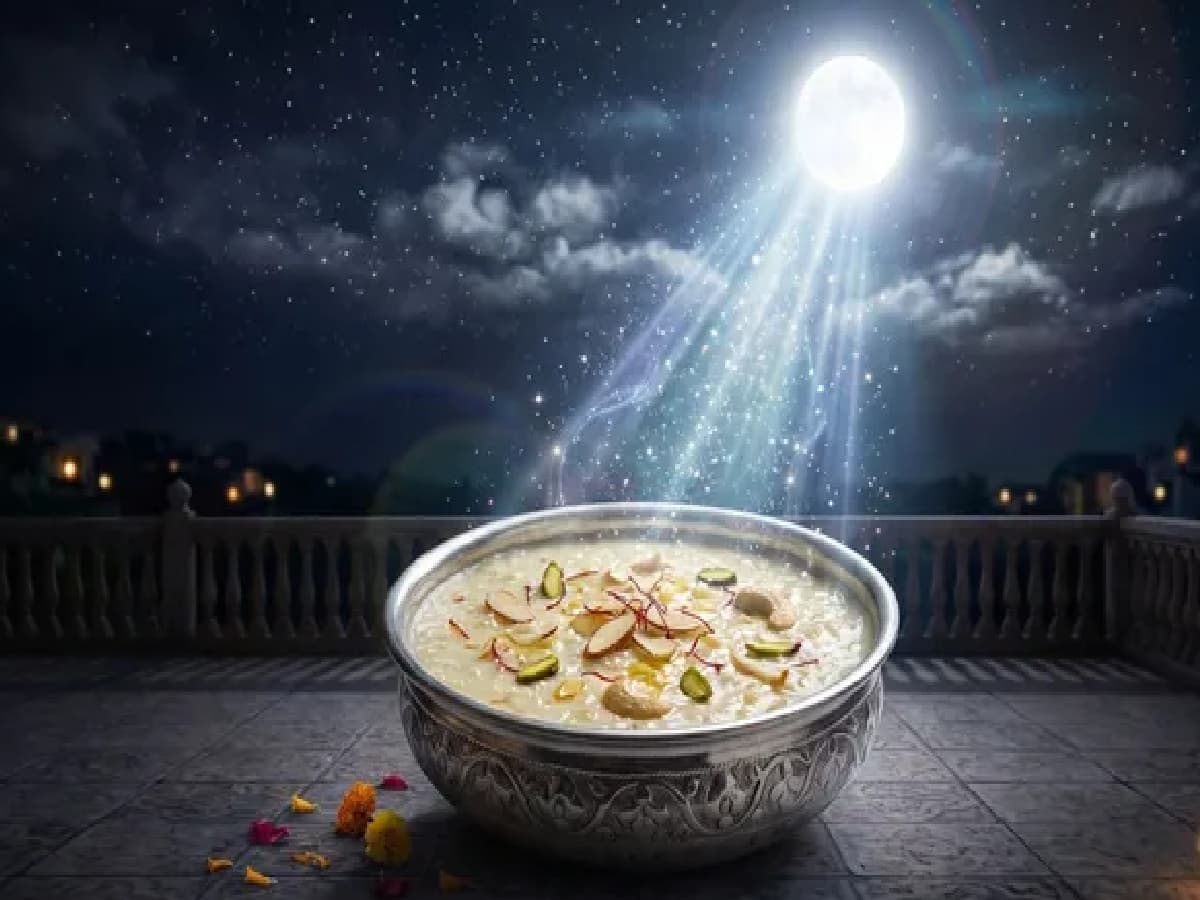
Every autumn during the full moon of the Hindu month of Ashwin, millions of households across India follow a cherished nighttime ritual: boiling a pot of fragrant, sweetened rice kheer and leaving it exposed under the open sky on terraces and balconies. Central to the sacred festival of Sharad Purnima is the spiritual belief that the moon reaches the peak of its celestial splendor, radiating all sixteen divine phases (solah kalas) to shower the mortal world with healing drops of cosmic nectar (Amrit Varsha). Families leave the dairy delicacy outside throughout the night so that the lunar rays can infuse it with revitalizing cosmic energy, before gathering to consume the chilled preparation as sanctified prasad the following morning. While the belief in literal nectar falling from the heavens is rooted in ancient religious folklore, astrologers and Ayurvedic practitioners point out that this centuries-old tradition also aligns closely with seasonal shifts, atmospheric cooling, and traditional wellness science.
Astronomical Proximity and Ayurvedic Cooling: The Science Behind the Lunar Glow
The physical foundation of Sharad Purnima lies in the unique astronomical position of the Moon, which appears exceptionally luminous and arrives at one of its closest points to Earth during this seasonal cycle. Occurring at the definitive transition between the retreating monsoon and the crisp onset of winter, the night air turns notably cleaner, denser, and cooler. In classical Ayurveda, this seasonal juncture—known as Sharad Ritu—is marked by an internal aggravation of pitta dosha (body heat and acidity) accumulated during the humid monsoon months. The radiant, unfiltered rays of the autumn moon possess natural cooling and calming properties that help soothe the central nervous system, alleviate mental restlessness, and restore metabolic equilibrium. When kheer is left outdoors under the open sky, it naturally cools down while absorbing these gentle nocturnal frequencies, transforming a simple dessert into a soothing, restorative remedy that helps prepare the human body for the winter chill ahead.
Silver Vessels and Microbial Defense: Astrologer Chandresh Sharma on Ancient Wellness
Unpacking the traditional mandate to serve and store the pudding in specific cookware, Astropatri astrologer Chandresh Sharma highlights that the custom of placing kheer inside a silver bowl is guided by practical wisdom rather than blind superstition. Pure silver is scientifically recognized for its potent antibacterial, antifungal, and antimicrobial properties. As the freshly boiled milk and rice mixture cools outdoors for hours, storing it in a silver container prevents bacterial contamination and microbial decay while enhancing the dish's nutritional stability. Astrologer Sharma notes that while modern science does not substantiate the literal precipitation of physical nectar from the cosmos, the symbolic concept of Amrit reflects the combined therapeutic value of moonlight, seasonal air purification, and silver-infused preservation. By bridging faith with empirical observation, the time-honored practice continues to serve as an enduring cultural celebration of spiritual peace, physical rejuvenation, and familial harmony.




