Why Kalash Sthapana Is Incomplete Without Panch Pallava, Mango & Ashoka Leaves
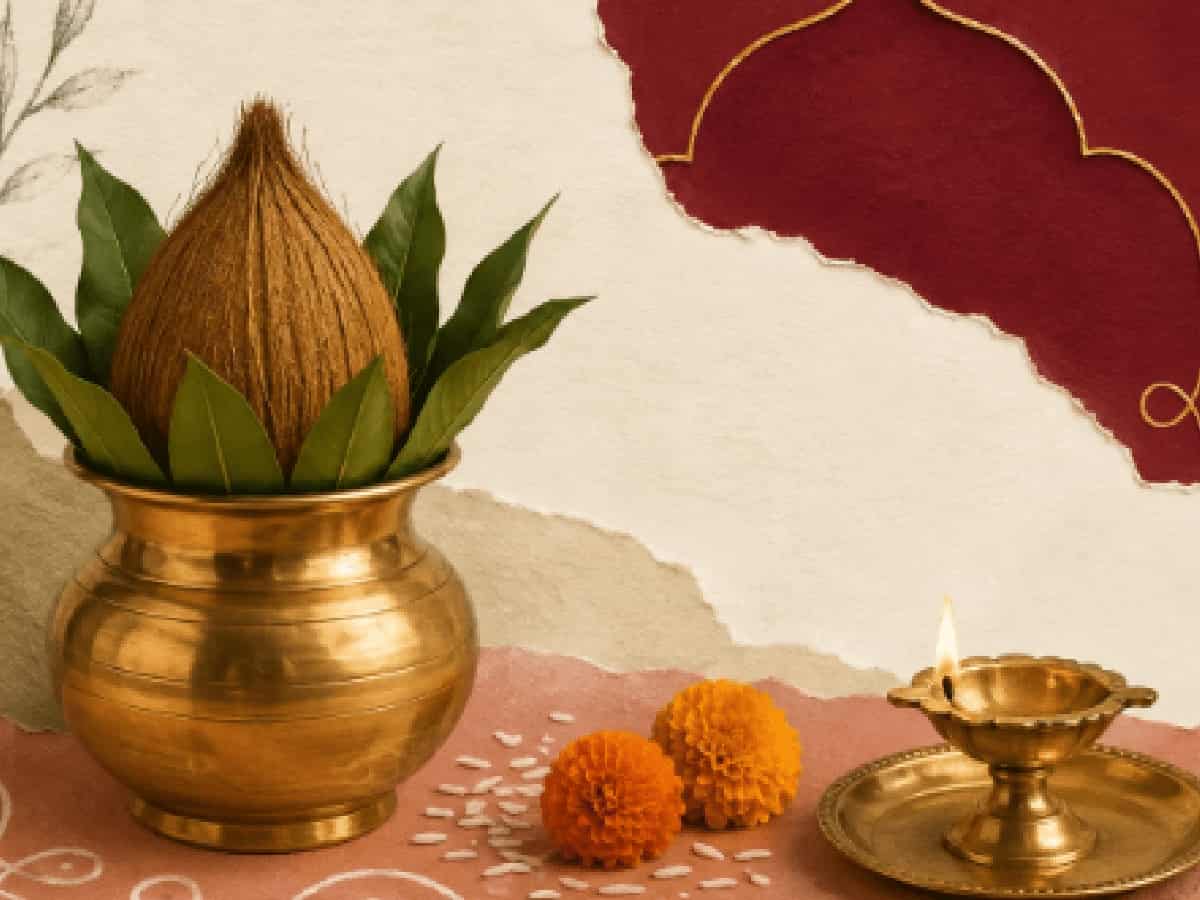
The auspicious arrival of Sharadiya Navratri 2026 marks a period of profound spiritual devotion, beginning with the sacred ceremony of Ghatasthapana (Kalash Sthapana) in temples and households across India. In Vedic rituals, establishing the sacred earthen or copper vessel filled with sanctified water, raw rice, a red thread (moli), and a husk-covered coconut represents the invocation of universal cosmic energy. Central to this sacred setup is the placement of Panch Pallava—the sacred cluster of five holy tree leaves. According to renowned Astropatri astrologer Brij Gautam, these sacred foliage elements act as spiritual conduits representing cosmic balance, the five primordial elements (Pancha Mahabhutas), and enduring prosperity.
What Are Panch Pallava? The Divine Assembly of Five Holy Leaves
In classical Vedic scriptures, certain botanical species are revered as living repositories of divine vibrations and nature's restorative power:
-
The Sacred Five Trees: The traditional Panch Pallava assemblage consists of fresh leaves sourced from five specific sacred trees—Mango (Aam), Ashoka, Peepal, Banyan (Bargad), and Pakad (Plaksha).
-
Emblem of Cosmic Harmony: Astrologer Brij Gautam explains that placing these specific leaves creates an energetic perimeter that purifies the environment and welcomes planetary deities and Mother Goddess Bhagwati into the home altar.
-
Symbol of the Five Elements: In spiritual symbology, the five distinct leaves mirror Earth, Water, Fire, Air, and Space, ensuring that ritual offerings resonate in harmony with the natural cosmic order.
Significance of Mango Leaves: Channels of Renewal, Vitality, and Purity
Among the ritual foliage, fresh mango leaves hold an essential place ringing the neck of the ceremonial urn:
-
Placement Under the Coconut: In traditional ritual geometry, vibrant green mango leaves are systematically arranged around the rim of the Kalash, fanning outward directly beneath the seated sacred coconut.
-
Vibrant Energy and Continuous Growth: The perpetual green luster of mango leaves signifies renewed life-force energy, agricultural vitality, financial expansion, and the unbroken continuum of human life.
-
Dispelling Negative Vibrations: Ancient customs hold that fresh mango foliage possesses innate antimicrobial and spiritually cleansing attributes, creating a pure sanctum for Navratri prayers and household peace.
Miracle of Ashoka Leaves: Dispelling Sorrows and Fostering Serenity
In instances where all five varieties are hard to source, Ashoka leaves serve as a powerful scriptural alternative alongside mango foliage:
-
The Etymology of Sorrow-Free Living: In the classical Sanskrit lexicon, the word Ashoka directly translates to "devoid of sorrow" or "that which banishes grief," establishing the tree as an ancient emblem of peace and joy.
-
Invoking Unwavering Devotion: Incorporating Ashoka leaves into the Kalash installation signifies a devotee's total surrender and commitment to Maa Durga, asking for protection from emotional distress, spiritual anxiety, and family discord.
-
Welcoming Auspicious Beginnings: Adorning entryways and worship altars with pristine Ashoka garlands during Sharadiya Navratri establishes an aura of optimism, harmony, and lasting spiritual upliftment throughout the festive cycle.