







Why Is God's Aarti Always Performed in a Circular Motion
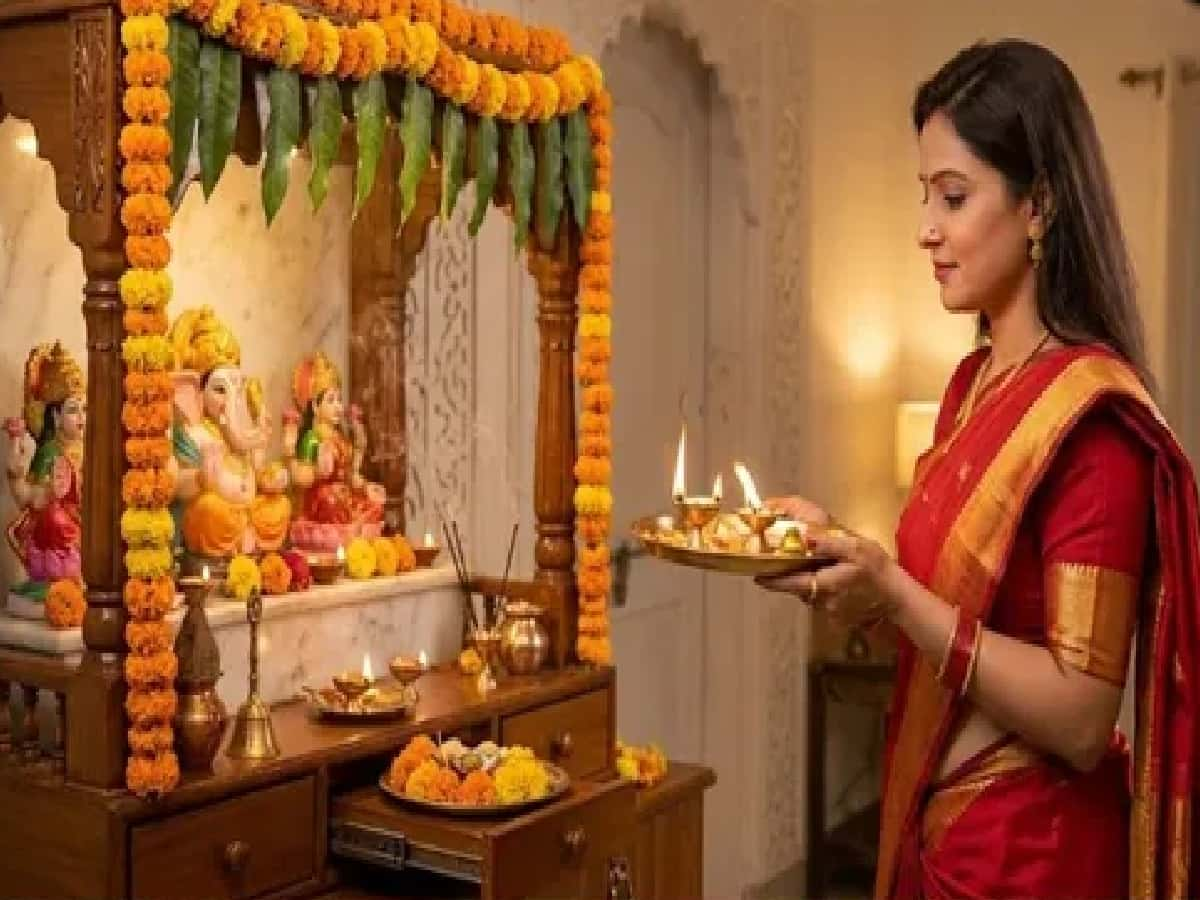
In Hindu worship, whether inside a quiet household prayer corner or along the grand temple ghats of Varanasi, Ayodhya, Mathura, Haridwar, Lucknow, and New Delhi, no ritual is complete without the soulful culmination of Aarti. As sacred bells chime and conch shells echo, the worshipper lifts a lit ghee or camphor lamp (deepak) and moves it gracefully before the deity—always in a steady, clockwise circular motion. Have you ever paused mid-prayer to wonder why the lamp is rotated in a circle rather than moved vertically up and down or waved side to side? According to ancient Agama scriptures, temple traditions, and Vedantic philosophy, this circular movement is far from arbitrary. Rotating the flame in a circle performs a symbolic circumambulation (pradakshina) of the Divine, aligns the worshipper with the cosmic rhythm of the universe, illuminates the deity’s entire sacred form from feet to face for complete darshan, and symbolizes the surrender of human ego before eternal light.
Symbolic Circumambulation: Rotating the Lamp as Pradakshina
In Sanatana Dharma, walking clockwise around a sacred idol or temple sanctum—a practice known as Pradakshina or Parikrama—holds profound spiritual importance. By walking in a circle while keeping the deity to one’s right side, a devotee acknowledges that God is the unchanging center of the cosmos and of their personal existence, while all worldly duties revolve around that divine core.
When a devotee performs Aarti by moving a lit lamp in a circular path around the idol, that gesture serves as a symbolic circumambulation of the Lord. Even when space inside a home altar or crowded temple hall prevents physically walking around the shrine, rotating the sacred flame in a circle fulfills the essence of Pradakshina. Through every smooth revolution of the lamp, the worshipper affirms that their thoughts, actions, and life journey remain anchored around divine grace rather than fleeting material distractions.
Cosmic Rhythm: How Clockwise Aarti Mirrors the Universe
Beyond personal devotion, the circular motion of Aarti reflects the fundamental geometry and movement of nature itself. Across classical Indian astronomy and spiritual philosophy, creation operates in continuous cycles—from the rotation of the Earth and the orbits of the sun, moon, and planets to the turning of day into night and the progression of seasons across the Kaalchakra (wheel of time).
Performing Aarti specifically in a clockwise (dakshinaavarta) direction harmonizes human worship with this natural cosmic order. In Vedic tradition, clockwise movement is associated with auspiciousness, growth, and the natural flow of life-sustaining energy (prana). By moving the flame clockwise in front of the deity, the devotee symbolically attunes their mind and household environment to the harmonious laws governing the universe, recognizing that every heartbeat and celestial motion is sustained by supreme divine power.
Illuminating the Deity's Form From Feet to Face in Ancient Temples
Alongside deep spiritual symbolism, the circular motion of Aarti also carries a remarkable historical and practical purpose rooted in ancient Indian temple architecture. Centuries ago, long before electric lamps, floodlights, or modern illumination existed, the inner sanctum (garbhagriha) of a temple was deliberately built with thick stone walls and minimal openings to preserve stillness and spiritual concentration. Inside these dimly lit sanctuaries, the idol remained shrouded in soft shadows during morning and evening prayers.
In that serene darkness, the glowing wick of a cow-ghee or camphor lamp became the primary source of light allowing devotees to behold the deity. Moving the lamp slowly in a wide, deliberate circle directed warm, golden light sequentially across every part of the sacred murti—beginning at the lotus feet (charan), rising across the attire and ornaments of the torso, illuminating the blessing hands, and finally resting upon the serene, compassionate face (mukh). Traditional temple manuals even codify this circular rhythm into fourteen sacred rounds: rotating the lamp four times at the deity’s feet, twice at the navel, once before the face, and seven times around the entire divine form. In this way, circular Aarti transformed a practical need for light into an intimate, meditative darshan of the Lord’s complete beauty.
Surrendering the Ego and Awakening Inner Knowledge
On the highest philosophical plane, rotating a flame before God conveys a timeless message of humility and self-surrender. In Hindu symbolism, fire (Agni) represents pure knowledge (Jnana), spiritual clarity, and transformative truth that burns away the darkness of ignorance (avidya) and pride (ahamkara). When a worshipper stands before the altar holding a lit lamp and tracing circles in the air, the gesture signifies offering one’s ego, sensory attachments, and anxieties into the purifying radiance of the Divine.
Rather than performing a mechanical hand movement at the end of puja, temple scholars and elders emphasize watching the flame attentively as it circles the deity—allowing the mind to absorb peace, gratitude, and moral resolve. Each circle becomes a quiet prayer asking the Lord to dispel negativity from the home and guide the family toward righteousness, compassion, and wisdom.
Quick Reference: 4 Sacred Reasons Behind Circular Aarti
| Dimension of Worship | Ritual Action During Aarti | Sacred & Practical Meaning |
| Devotional Symbolism | Moving the lamp in a closed circle around the idol | Performs symbolic Pradakshina (circumambulation), placing God at life's center |
| Cosmic Alignment | Rotating the deepak strictly clockwise (dakshinaavarta) | Mirrors planetary orbits, seasonal cycles, and positive universal energy |
| Sacred Darshan | Sweeping light from the deity's feet up to the face | Illuminated dark ancient temple sanctums so devotees could see the full idol |
| Spiritual Philosophy | Offering glowing ghee or camphor flame with devotion | Symbolizes burning away ego (ahamkara) and awakening inner wisdom (Jnana) |
The next time you light a lamp for morning or evening worship, let every circular sweep of the flame remind you of this sacred heritage—uniting ancient temple wisdom, cosmic harmony, and heartfelt surrender to the Divine.




